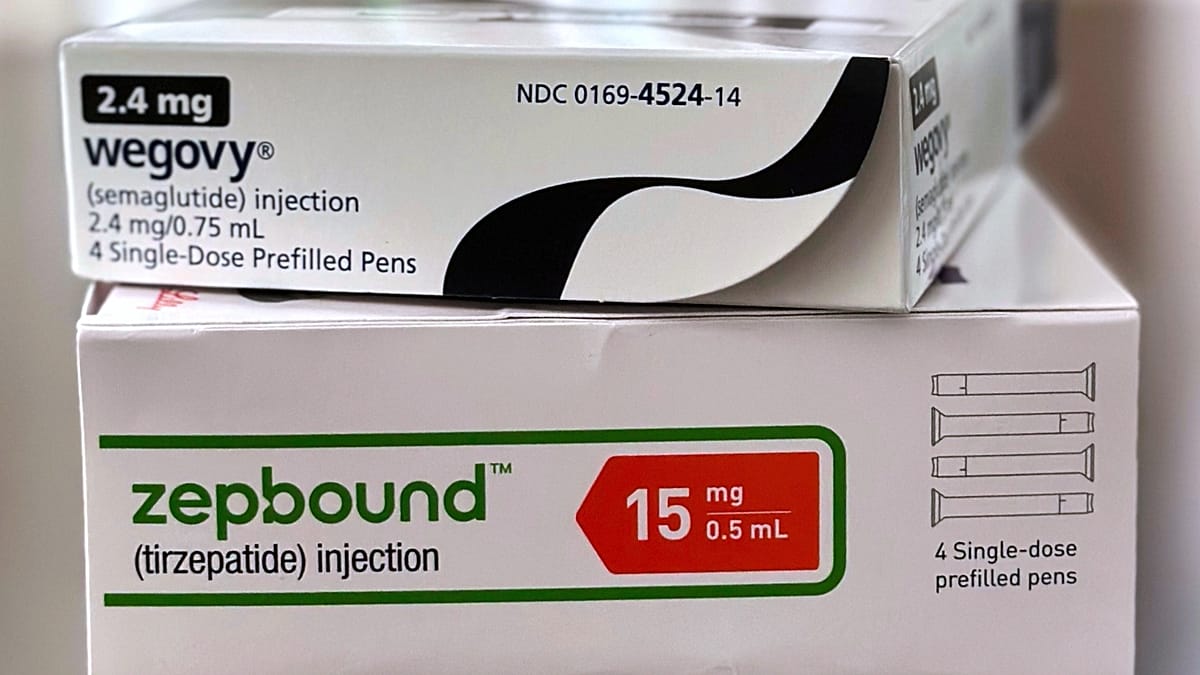
From 1 September, German pharmacies will begin selling the weight-loss pill Wegovy, making Germany the first country in the European Union to offer the oral version of the drug. The Danish manufacturer Novo Nordisk received EU approval in July and has described the launch as a "milestone" in the treatment of obesity.
Wegovy is a prescription-only medicine intended as an alternative to the injectable form already on the market. Both versions rely on the same active ingredient, semaglutide, which mimics a gut hormone that signals fullness to the brain. According to a company spokesperson, the retail pharmacy price for the tablet will range between 170 and 280 euros.
The tablet is approved only for adults, whereas the injection has been cleared for use in children aged 12 and over. Patients taking the oral form are advised to take it once daily, compared with a weekly injection for the existing product.
Clinical evidence and side effects
The EU approval was largely based on the OASIS-4 study, an international trial involving 205 adults with overweight who took semaglutide tablets and 102 who received a placebo. Over 64 weeks, those on the drug lost on average 13.6 percent of their body weight. By comparison, the injectable version produced an average weight loss of 19 percent in a separate 72-week study.
As with the injection, the oral formulation carries side effects. Many patients report gastrointestinal issues such as nausea and diarrhoea, and there is a risk of pancreatitis. The manufacturer notes that the medicine is not a quick fix but part of a broader treatment plan that includes diet and exercise.
Julia Szendrödi, president of the German Diabetes Association, stressed that obesity drugs are not miracle cures. "Whether injection or tablet: medicines against obesity are not miracle cures for optimising weight, but components of a therapy for a chronic disease," she said. She added that these products do not replace prevention, calling for better nutrition labelling, quality standards for school meals, and restrictions on advertising unhealthy foods to children.
A booming market
The global market for weight-loss medications is fiercely competitive. Analysts cited by the business daily Handelsblatt project that the sector could generate up to 100 billion dollars annually by 2030. Several products are already on the market or about to launch. In the United Kingdom, for instance, the pill "Foundayo" from US manufacturer Eli Lilly will be available from the end of August.
These drugs are intended for people with obesity, defined as a body mass index (BMI) above 30. They may also be prescribed to individuals with a BMI below 30 if they have weight-related conditions such as type 2 diabetes or sleep apnoea.
The German launch comes amid broader health and economic discussions in the country. As German inflation eased to 2.9% in August, policymakers are watching healthcare costs closely. Meanwhile, the pharmaceutical industry is increasingly focusing on chronic diseases like obesity, which affects millions across Europe.
Novo Nordisk's move to start with Germany reflects the country's large market and its role as a hub for pharmaceutical innovation. The company plans to roll out the pill in other EU member states in the coming months, though no specific timeline has been announced.
For now, German patients will need a prescription from their doctor to access Wegovy. The drug is not covered by statutory health insurance for weight loss alone, meaning most users will pay out of pocket. That could limit access, especially given the high price point.
As the market expands, experts urge caution. "These drugs are powerful tools, but they must be used responsibly," said Szendrödi. "They are not a substitute for healthy living."