The World Health Organization has released a stark assessment of global food safety, estimating that more than 860 million people fall ill and 1.5 million die each year from consuming contaminated or poorly handled food. The report, published ahead of World Food Safety Day on 7 June, provides the most comprehensive picture yet of the human and economic toll of foodborne diseases.
“Food safety is not an abstract issue — it touches every meal, every family, every day,” said Dr Tedros Adhanom Ghebreyesus, WHO Director-General. “Unsafe food has always been a major public health concern, but until now we lacked the bigger picture of its staggering human and economic toll.”
The data, drawn from 2021, shows that foodborne illness resulted in approximately $310 billion (€267 billion) in lost productivity worldwide. Many of these cases, the WHO stresses, are preventable through improved water, sanitation, and hygiene, as well as food safety practices such as pasteurisation and better access to healthcare for vulnerable populations.
Children Bear a Disproportionate Burden
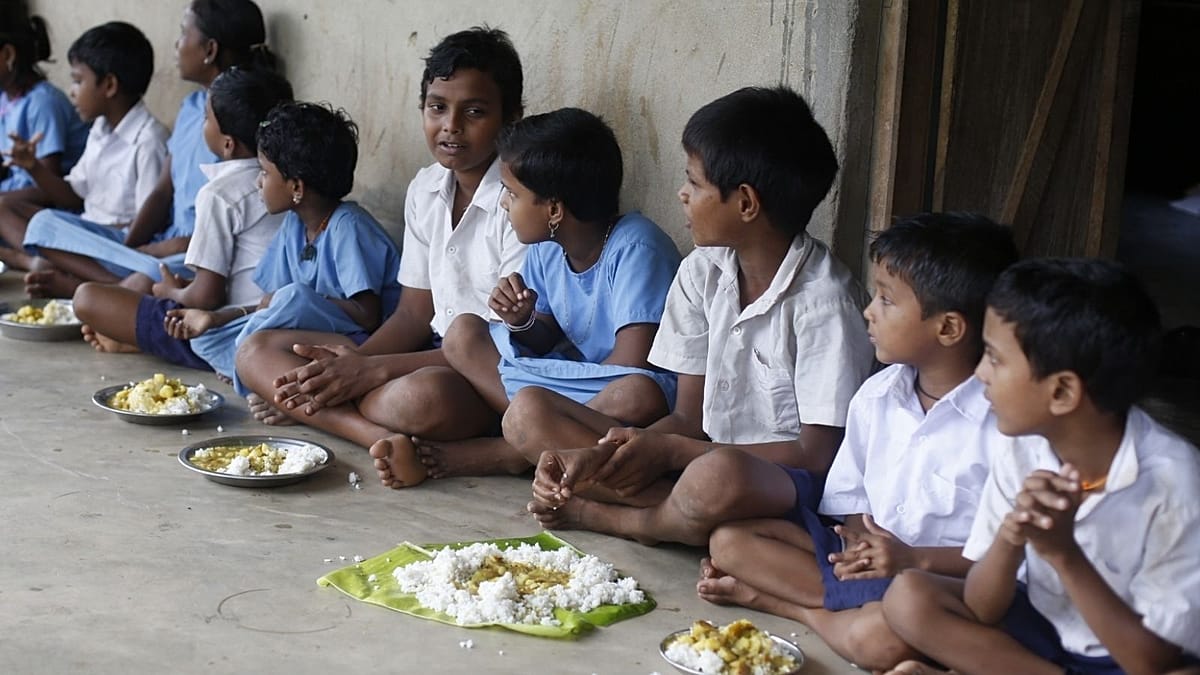
Children under five are especially vulnerable. Despite representing just 9% of the global population, they account for 29% of the health burden linked to unsafe food and 143,000 deaths in 2021 alone. The WHO notes that young children are three times more likely to suffer from foodborne diseases than older children and adults, with diarrhoeal diseases being a leading cause of death in this age group.
“Young children are also more susceptible to chemical exposure through food, which can impair brain development and cause lifelong neurological and developmental harm,” the WHO added.
The report highlights deep inequalities within food systems. Low-resource communities, particularly in low- and middle-income countries, bear the greatest health burden. The African and South-East Asian regions together account for nearly three-quarters of all foodborne illnesses and 60% of deaths globally.
Climate Change Adds New Risks
The WHO warns that climate change is expected to significantly worsen food safety risks. Extreme weather events, rising air and water temperatures, and shifting precipitation patterns will heighten the dangers posed by both existing and emerging foodborne pathogens. This is particularly relevant for Europe, where the European Food Safety Authority (EFSA) has already noted seasonal spikes in infections like campylobacteriosis during summer months.
In Europe, the most common foodborne illnesses include campylobacteriosis, linked to raw or undercooked poultry and unpasteurised milk; salmonellosis, often associated with eggs and raw meat; and STEC infections, connected to raw meats, unpasteurised dairy, and leafy greens. These pathogens cause symptoms ranging from fever and diarrhoea to life-threatening bloodstream infections.
The WHO’s findings underscore the need for coordinated action across the continent. While European food safety standards are among the highest globally, the report serves as a reminder that vigilance is essential, especially as climate change alters disease patterns. The European Union’s farm-to-fork strategy, part of the Green Deal, aims to strengthen food safety and sustainability, but the WHO’s data suggests that more investment in surveillance and prevention is needed.
For the first time, countries have their own data to see where the burden is highest, allowing governments to prioritise actions. “With that knowledge, governments can prioritize the actions needed to protect people’s health,” Dr Tedros said.