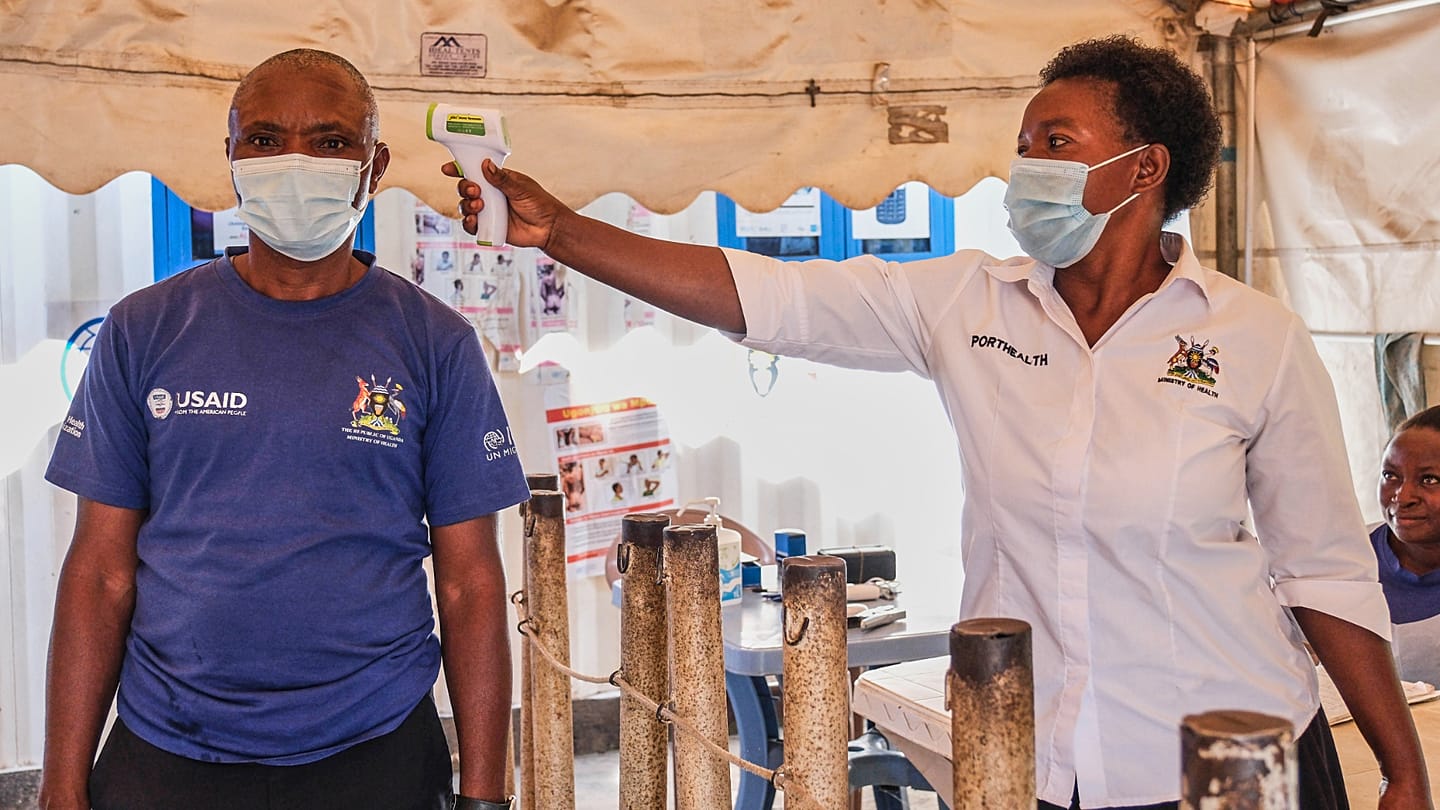
A new modelling study from the World Health Organization, released on Thursday, warns that there is a 70% chance the Ebola virus could spill over into South Sudan. The research underscores the urgent need to bolster the country's health infrastructure and response capabilities before a potential outbreak arrives.
The study, conducted by WHO epidemiologists and modellers, assesses the risk of cross-border transmission from the ongoing Ebola outbreak in the Democratic Republic of Congo. South Sudan, which shares a long and porous border with DRC, is considered particularly vulnerable due to its weak health system, ongoing conflict, and large displaced populations.
Preparedness as the Most Urgent Priority
“Preparing South Sudan for a proper response is the most urgent priority,” the researchers state in their findings. They emphasize that even a single case could overwhelm the country's limited medical facilities and trigger a rapid spread in crowded camps for internally displaced people.
The WHO study comes as European health authorities remain on alert. Earlier this year, France confirmed its first Ebola case when a doctor returning from a mission in DRC tested positive. That incident highlighted the global reach of the virus and the importance of surveillance networks linking Africa and Europe.
European Union member states have invested heavily in epidemic preparedness since the 2014–2016 West Africa Ebola outbreak. The European Centre for Disease Prevention and Control (ECDC), based in Stockholm, coordinates risk assessments and shares data with WHO. Several EU countries, including Germany, France, and the Netherlands, maintain mobile laboratory units and rapid response teams that can be deployed within 48 hours.
For South Sudan, however, the challenges are far more acute. The country has only a handful of functioning hospitals, and many health workers have not been paid in months. Vaccination campaigns against Ebola have been slow to reach remote areas, and community mistrust of health authorities remains high after decades of civil war.
The WHO study calls for immediate funding to train health workers, stockpile protective equipment, and establish isolation units in border regions. It also recommends cross-border coordination with DRC, Uganda, and Sudan to monitor population movements and share surveillance data in real time.
While the risk to Europe remains low, the continent's interconnected travel networks mean that an outbreak in South Sudan could quickly become a global concern. The EU has already pledged €50 million to support Ebola preparedness in East Africa, but experts say more is needed.
“The window for action is closing,” said Dr. Matshidiso Moeti, WHO Regional Director for Africa, in a statement. “We must act now to prevent a catastrophe that would not only devastate South Sudan but also threaten the entire region.”
The study's publication coincides with a broader debate in Europe about the sustainability of health investments in fragile states. As climate change and conflict drive displacement across the continent, the risk of disease spillover is expected to rise. The WHO's warning serves as a stark reminder that global health security is only as strong as its weakest link.