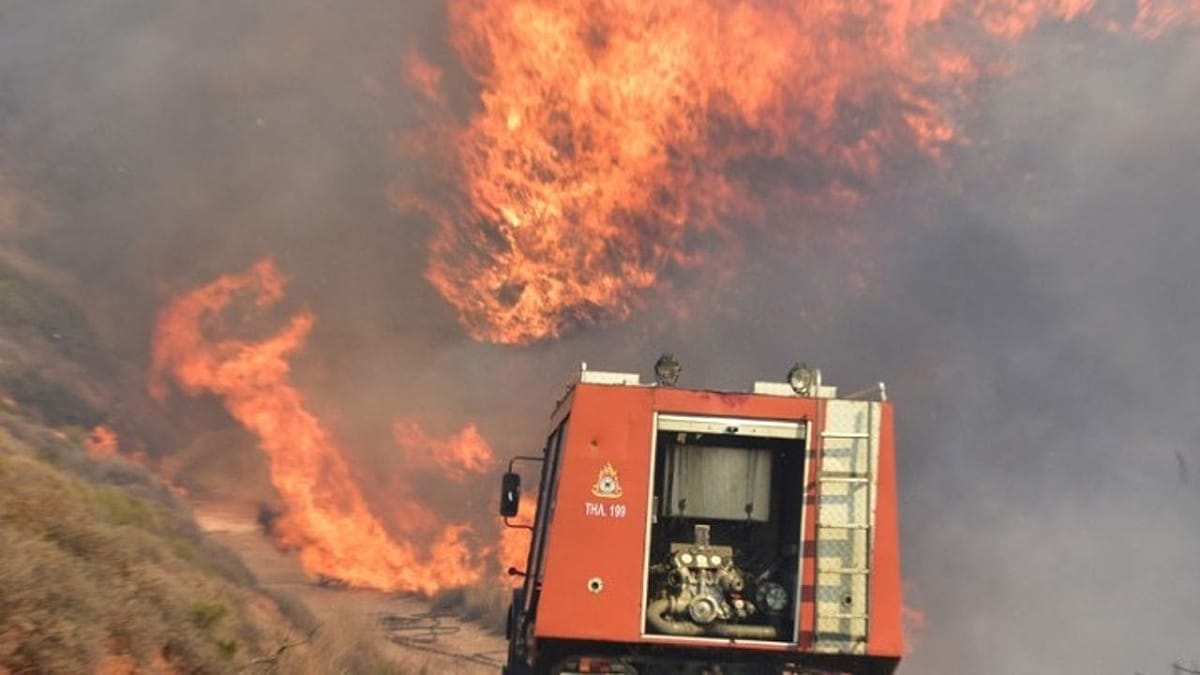
Unprecedented wildfires across southwestern France and central Spain have driven tens of thousands from their homes, as soaring temperatures and dry winds create a tinderbox across the continent. The blazes, which began earlier this week, have already consumed vast stretches of forest and prompted both nations to seek European Union assistance.
France: Cap Ferret and the Gironde region under siege
In France, the most dramatic scenes unfolded on the Cap Ferret peninsula, a popular tourist destination on the Atlantic coast about 60 kilometres from Bordeaux. A fire that ignited on Wednesday has scorched 125 square kilometres, forcing 67,000 residents to flee. Around 1,500 people escaped by sea, boarding water taxis and ferries to reach the nearby town of Arcachon.
The Gironde department bore the brunt of the evacuations, with 44,000 people displaced. The flames destroyed 53 homes and a campsite, and injured 42 firefighters. Further south, in the neighbouring Landes department, an uncontained 25-square-kilometre blaze forced an additional 23,000 people to leave their homes.
“It’s quite impressive and even frightening,” said Laurent Moretti, a resident of Arès. “An evacuation on this scale has never happened before. All we really hope is that the firefighters can quickly get it under control.”
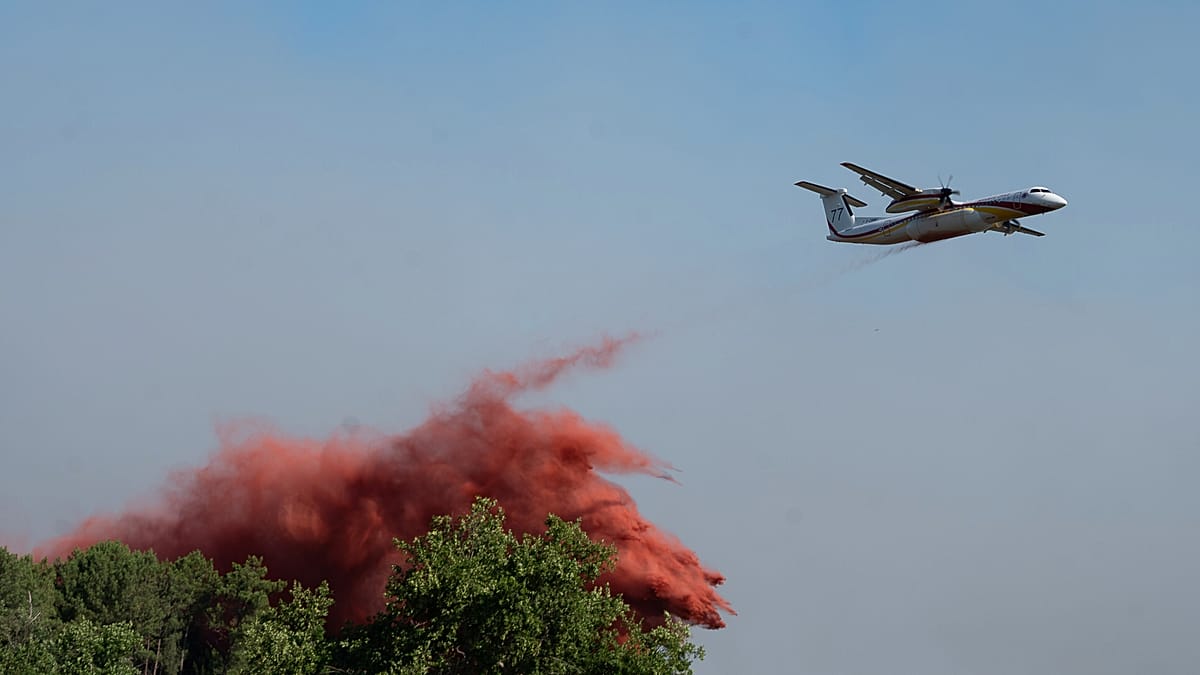
French Interior Minister Laurent Nunez reported that the country is currently battling 32 active wildfires. Since January, over 50,000 hectares have burned — nearly triple the total for the same period last year. The government has requested aerial reinforcements from Croatia, Portugal, the Czech Republic, and Slovakia.
Spain declares first national wildfire emergency
In Spain, the government took the unprecedented step of declaring a national emergency for wildfires. A heatwave pushing temperatures above 39°C, combined with high winds, has fanned multiple blazes across the central region.
Two major fires west of Madrid merged into a single inferno, charring 30 square kilometres and prompting the evacuation of 18,000 people. Nearby, in the province of Ávila, a separate blaze consumed 90 square kilometres, forcing 1,500 residents to flee. Authorities later ordered the evacuation of an additional 7,000 people from two new localities west of Madrid. In total, around 40,000 people in the Madrid region have been evacuated or told to remain indoors.
Firefighters continue to battle Spain’s second-largest recorded fire in Guadalajara, which has destroyed 320 square kilometres over the past week. Spanish police arrested one man in Castilla y León for starting a fire using farm machinery during a ban, with a second person under investigation.
Wildfire analyst Raúl Quílez noted that climate change and rural land abandonment have left villages exposed, creating a “perfect cocktail” for severe blazes. The situation echoes earlier evacuations near Madrid, as reported in a previous wildfire near Madrid that forced over 10,000 to flee.
Spain is receiving four water-dumping aircraft deployed by Italy and Greece, along with support from the Copernicus satellite system. The broader impact of these fires extends beyond immediate destruction, as wildfire smoke travels thousands of kilometres across Europe, posing hidden health risks to populations far from the flames.
Broader European context
Wildfires also continue to affect Sicily, where temperatures over 40°C resulted in scattered evacuations and claimed the life of a firefighter in Caltanissetta. The simultaneous crises across southern Europe underscore a growing pattern of extreme fire seasons, driven by prolonged drought and heatwaves linked to climate change. As European nations pool resources through the EU Civil Protection Mechanism, the need for coordinated prevention and response has never been more urgent.