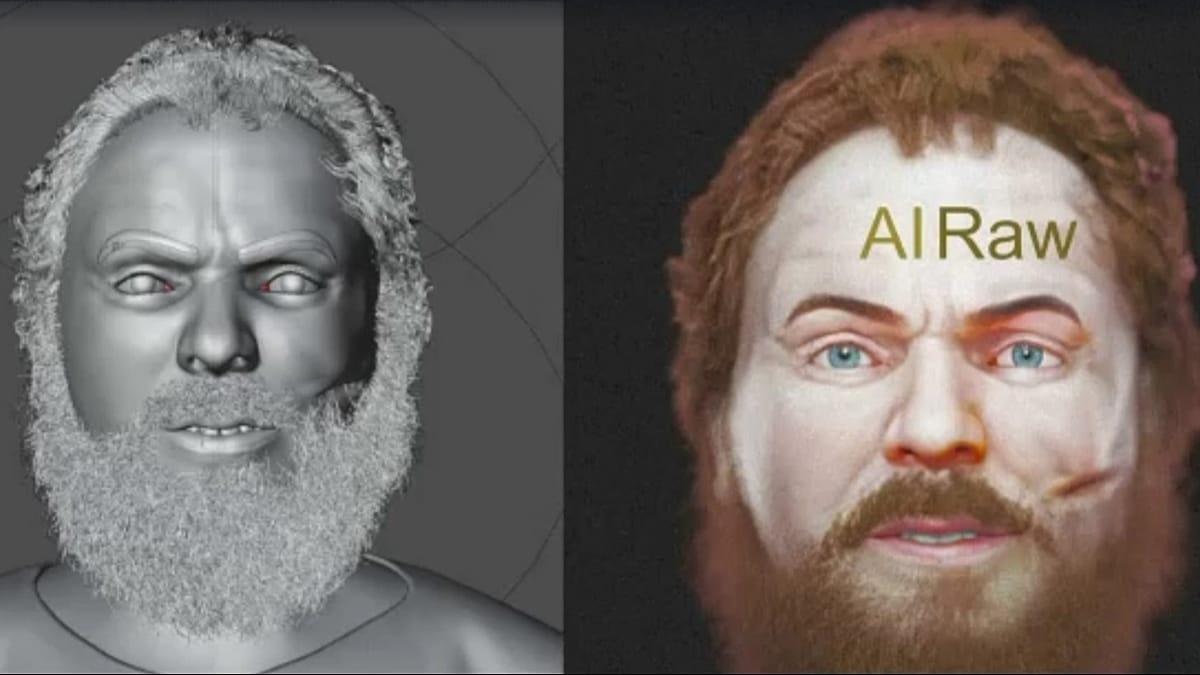
In a small church graveyard in Croatia, archaeologists have reconstructed the face of a man who died more than 400 years ago under circumstances that suggest his community feared he might return from the dead. The remains, unearthed in 2023, were buried in a manner consistent with Slavic folklore practices intended to prevent the deceased from becoming a vampire.
The skeleton was initially interred in a standard grave, but later exhumed, decapitated, and reburied face-down. This positioning, known as a prone burial, was a common ritual across parts of Eastern Europe to ensure the dead could not rise. The bones also show signs of violence, including fractures that occurred around the time of death, indicating the man was killed.
“We also noted that the individual was killed,” said bioarchaeologist Sarkic, pointing to injuries that appear to have happened around the time of death. The combination of injury and burial method suggests the man may have been feared by his community.
Forensic Reconstruction Brings the Past to Life
To better understand who this man was, a team of bioarchaeologists carried out a detailed 3D facial reconstruction using the skull. The process began with scanning the remains to create a digital model, which allowed researchers to study the bone structure in detail. Tissue depth markers were then applied based on known anatomical averages, helping to guide the rebuilding of muscles and facial features.
From there, specialists layered the face step by step, reconstructing the nose, jawline, and cheek structure using forensic techniques. Skin tone, eye shape, and other surface details were added last, based on regional and historical data. The final result is a realistic interpretation of what the man may have looked like when he was alive, turning skeletal remains into a recognisable human face. He was estimated to be between 40 and 50 years old.
Such practices were not unique to Croatia. Across the Balkans and wider Eastern Europe, communities took steps to prevent the dead from returning, including weighing bodies down with stones, staking them, or burying them in unusual positions. These rituals reflect deep-seated beliefs about the supernatural and the fear of those who might have been considered threats in life or death.
This discovery adds to a growing body of evidence that belief systems profoundly shaped burial practices in pre-modern Europe. It also highlights how forensic science can now give a face to individuals who were once marginalised or feared, offering a more human perspective on historical superstitions.
For those interested in exploring Europe's cultural heritage further, consider reading about Europe's best flower tourism destinations or top last-minute destinations like Gdańsk and Bucharest. Meanwhile, studies on urban versus rural upbringing show how environment shapes mental health, and remote work is linked to higher fertility rates across the continent.