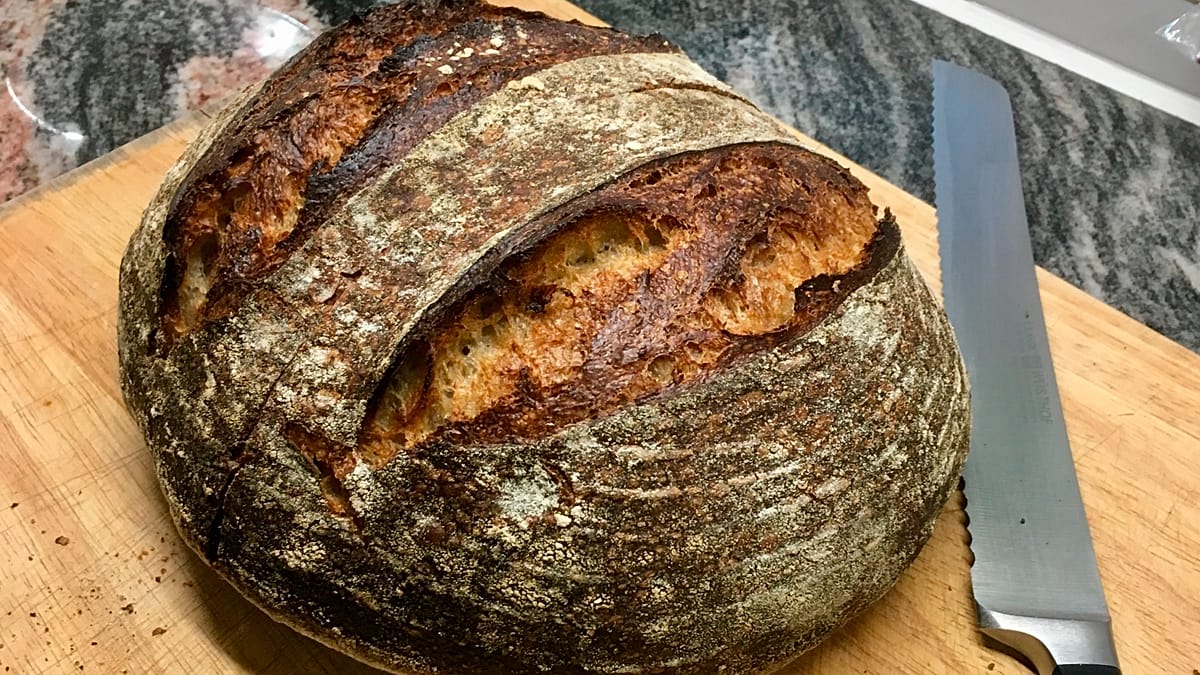
New York is a city of extremes, and its latest culinary import is no exception. A family-run bakery from Graz, Austria, has opened a minimalist storefront on Lafayette Street in Soho, offering a single product: a 1.5-kilogram organic rye sourdough loaf priced at $60 (about €52). The bakery, named Rye, is the brainchild of the Auer family, who operate more than 40 branches across Austria.
The loaf is made with natural sourdough and no commercial yeast, baked in a two-tonne oven that, according to the owners, was specially imported from Germany. The recipe, they say, dates back decades: Martin Auer's father learned the method from a farmer on an alpine pasture and later brought it back to Graz.
For those who balk at the price, smaller portions and topped slices are available, with options like chocolate spread, caviar, or butter. But the flagship product remains the whole loaf, presented in sleek, minimalist packaging that screams Soho chic.
Why rye? A nod to Austrian tradition
The choice of rye is deliberate. Austria, like Germany, has a deep bread culture, and rye has long been a staple grain. According to the company, no other European country uses rye for such a large share of its bread production. The loaf's intense flavour, long shelf life, and digestibility are cited as key advantages.
Bread, in general, is considered an important part of a balanced diet by the German Nutrition Society and the World Health Organization, mainly due to its high fibre content, which has been linked to reduced risks of heart attack and bowel cancer.
Martin Auer, the founder, told the Deutsche Presse-Agentur that he can "hardly wait" to share his enthusiasm for natural sourdough with New Yorkers. He remains unfazed by the criticism over the price, arguing that New York is one of the most expensive cities in the world. "This is one of the most expensive cities in the entire world, and one of the most expensive streets in this most expensive of cities," he said. "People should take a look at what a flat costs here."
He also points out that all ingredients must be imported, and the production process itself is labour-intensive. Natural sourdough, unlike fast-rising yeast bread, can take several days to mature, during which microorganisms slowly acidify and aerate the dough. That ties up staff, time, and space, making sourdough inherently more expensive than industrially produced bread.
Even by New York standards, $60 is an outlier. A standard loaf in the city typically costs a few dollars, and traditionally baked sourdough is available in many places for between $10 and $20. Per kilogram, the Rye loaf comes to about $40 (€34). For comparison, in Germany, bakery bread averages just over €5 per kilogram, and supermarket bread just over €3. Even Berlin's stylish organic chain Zeit für Brot, known for its loyal following, prices its best-selling house loaf at around €9–10 per kilogram—still only a quarter of Rye's price.
Online backlash and defence
The price has ignited a debate online. Critics see a staple food being turned into a luxury item for the well-off. One baker commented that the price is "completely detached from reality," especially amid discussions about food sustainability and accessibility. Others called the amount outrageous, even by New York standards.
But there is also support. Some commentators appreciate a loaf with a short ingredient list and unbleached flour, noting that good artisanal baked goods in New York often cost €20–30 anyway. Others point to Soho's wealthy demographic and consider the price understandable in that context.
The debate echoes broader questions about food pricing and value across Europe, where housing costs are reshaping spending priorities. As cities like Vienna and Berlin grapple with affordability, the $60 loaf serves as a stark symbol of how artisan traditions can be repackaged for a global elite.
Whether Rye becomes a lasting status symbol or a passing fad remains to be seen. But for now, it has certainly succeeded in making people talk—about bread, about value, and about what we're willing to pay for a taste of tradition.