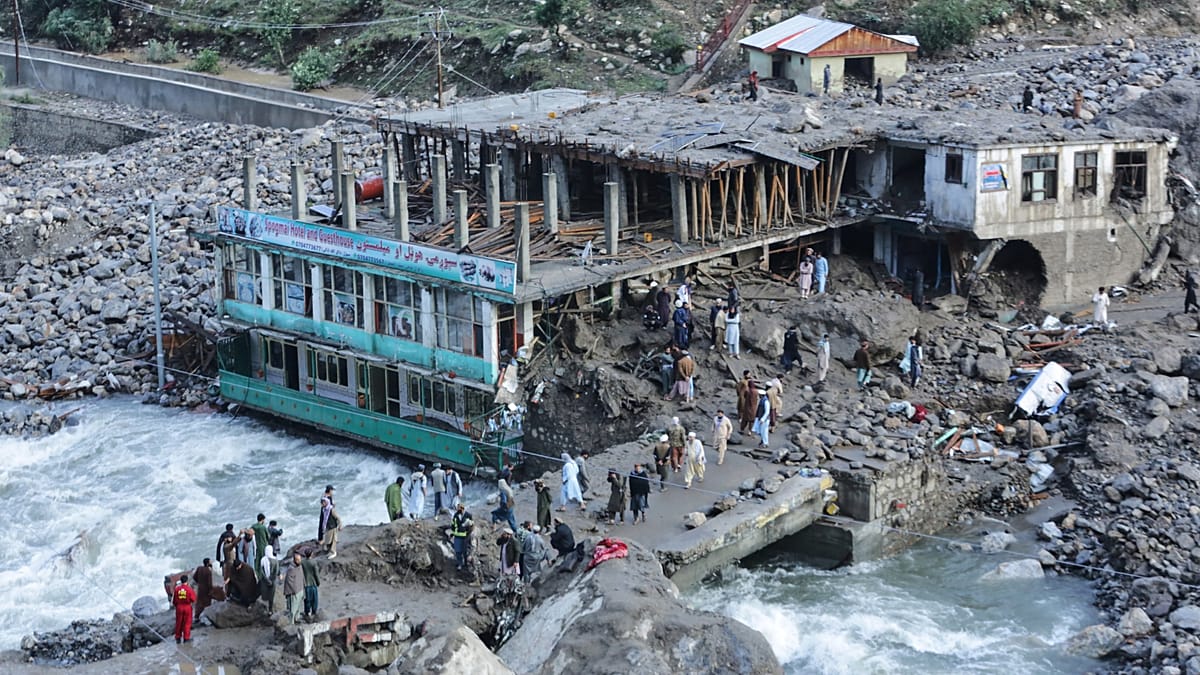
Rescue teams in Afghanistan are scrambling to locate more than 100 people reported missing after flash floods swept through several provinces, destroying homes and infrastructure. The floods, triggered by unusually heavy seasonal rains, have compounded the suffering of a nation already grappling with economic collapse and the legacy of decades of conflict.
Scope of the disaster
Officials in Kabul confirmed that the floods have affected at least five provinces, with the worst-hit areas in the north and west. In Baghlan province alone, local authorities reported that dozens of villages have been cut off, and many residents are feared trapped under mud and debris. The Taliban-led government's disaster management ministry has deployed teams to the affected regions, but limited resources and damaged roads are hampering rescue efforts.
“We are doing everything we can, but the scale of the destruction is overwhelming,” said a spokesperson for the ministry, speaking on condition of anonymity. “Many of our teams are using basic tools because heavy machinery cannot reach the most remote areas.”
Humanitarian concerns
The missing include women, children, and elderly residents, according to local reports. In the provincial capital Pul-e-Khumri, families gathered near the riverbanks, desperately waiting for news of loved ones. The United Nations Office for the Coordination of Humanitarian Affairs (OCHA) has expressed grave concern, noting that Afghanistan's already fragile health and shelter systems are ill-equipped to handle another emergency.
International aid agencies have called for urgent access to the affected zones, but the Taliban's restrictions on female aid workers and ongoing political isolation continue to complicate relief operations. The European Union, which has historically been a major donor to Afghanistan, has yet to issue a formal statement on the floods, but diplomats in Brussels indicate that emergency funding may be considered if a formal request is made.
Climate and infrastructure
Afghanistan is highly vulnerable to climate-related disasters, despite contributing minimally to global emissions. The country's mountainous terrain and poor infrastructure make it particularly susceptible to flash floods, which have become more frequent in recent years. According to the World Bank, Afghanistan ranks among the least prepared nations for climate shocks, with many communities lacking basic early-warning systems.
This latest tragedy echoes other recent disasters across the region, such as the Indonesian ferry fire that left dozens missing, and the building collapse in Messina that killed one and left five unaccounted for. While those events occurred far from Afghanistan, they highlight a broader pattern of infrastructure vulnerability in developing and crisis-affected regions.
Local resilience and international response
In the absence of a robust state response, local communities have mobilised their own rescue efforts. In the village of Nahrin, residents used shovels and bare hands to dig through collapsed mud-brick homes, hoping to find survivors. “We have no machines, no doctors, no blankets. We are relying on our neighbours,” said a village elder, his voice trembling.
The international community, including European nations, has pledged support in principle, but concrete aid has been slow. The European Commission's Directorate-General for European Civil Protection and Humanitarian Aid Operations (DG ECHO) has previously funded flood-response projects in Afghanistan, and officials say they are monitoring the situation closely. However, the Taliban's ban on female humanitarian workers has created a diplomatic impasse, with some EU member states reluctant to channel funds through the current administration.
As the search continues, the death toll is expected to rise. The Taliban's supreme leader, Hibatullah Akhundzada, has ordered provincial governors to prioritise rescue operations, but his decree carries little weight in areas where the state has no functional presence. For now, the focus remains on finding the missing and providing immediate relief to the displaced.
For Europeans watching from afar, the disaster is a stark reminder of the interconnectedness of global climate and security challenges. As the EU debates its future engagement with Afghanistan, the floods underscore the urgent need for a coordinated humanitarian strategy that transcends political differences.