French football star Kylian Mbappé has found himself at the centre of a diplomatic storm after a video surfaced in which he referred to Mao Zedong as a “Chinese dictator.” The comment, made while discussing a meme that superimposed his face onto the body of the former Chinese leader, has triggered a swift and severe backlash across China.
In the clip, Mbappé is asked about his favourite meme of himself. He responds that it was “a video someone made of a guy ... I think he was a Chinese dictator,” before the altered image appeared on screen. The remark, though seemingly offhand, struck a nerve in a country where Mao remains a revered figure and where public discourse about him is tightly controlled.
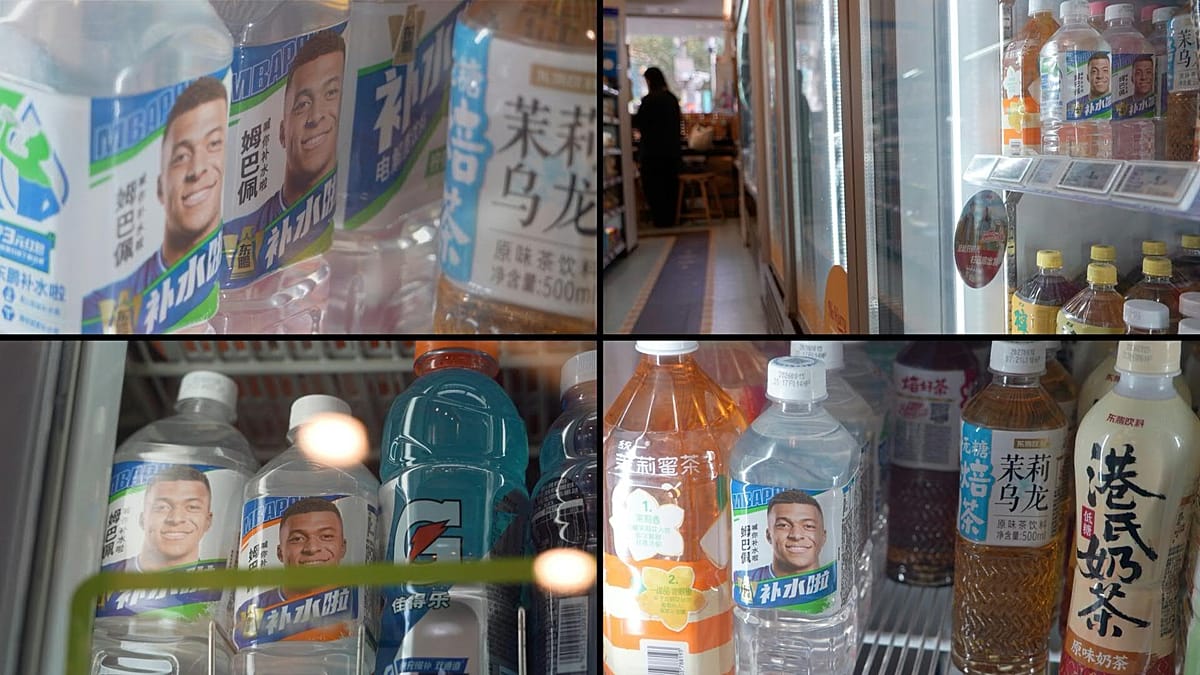
The fallout has been immediate. At least three Chinese companies have terminated their brand partnerships with the 25-year-old forward, and China’s Foreign Ministry has weighed in on the incident. State broadcaster CCTV also pulled a Real Madrid La Liga match from its Sunday schedule, a move widely interpreted as a direct response to the controversy.
Beijing residents weigh in
On the streets of Beijing, reactions were mixed. Some residents said they were unaware of the exact nature of Mbappé’s comments, while others expressed disappointment. “He should know better than to make light of our history,” said one office worker, who declined to give her name. Another resident, a university student, argued that Mbappé’s apology was insufficient: “He apologised, but it felt insincere. He should apologise again, directly to the Chinese people.”
The incident has also reignited debates about how foreign celebrities navigate China’s sensitive political landscape. For Mbappé, who has a massive global following and has previously courted the Chinese market, the stakes are high. His commercial appeal in China, a key growth market for football, could be significantly damaged.
This is not the first time a Western celebrity has faced repercussions for remarks about Chinese leaders. In 2019, NBA executive Daryl Morey’s tweet supporting Hong Kong protesters led to a temporary blackout of NBA games in China. The pattern is clear: China’s authorities and public are quick to punish perceived disrespect.
Mbappé has apologised, but the damage may already be done. The loss of sponsors, combined with the state media’s decision to drop his team’s match, signals that the controversy will not blow over quickly. For European brands and athletes, the episode serves as a reminder of the delicate balance required when engaging with the Chinese market.
As the story continues to develop, it remains to be seen whether Mbappé can repair his image in China. His apology, delivered via social media, was brief and did not specifically mention Mao or China. Some observers suggest that a more direct and culturally sensitive response might be necessary to mend fences.
The broader implications for European football are also worth noting. With Chinese investment in European clubs and the sport’s growing popularity in Asia, incidents like this can strain relations. The loss of Chinese sponsors is a tangible consequence that other athletes will be watching closely.
For now, Mbappé’s focus will be on the pitch, where he continues to perform for Real Madrid. But off the pitch, the fallout from his words is a stark reminder of the power of language in a globalised world.