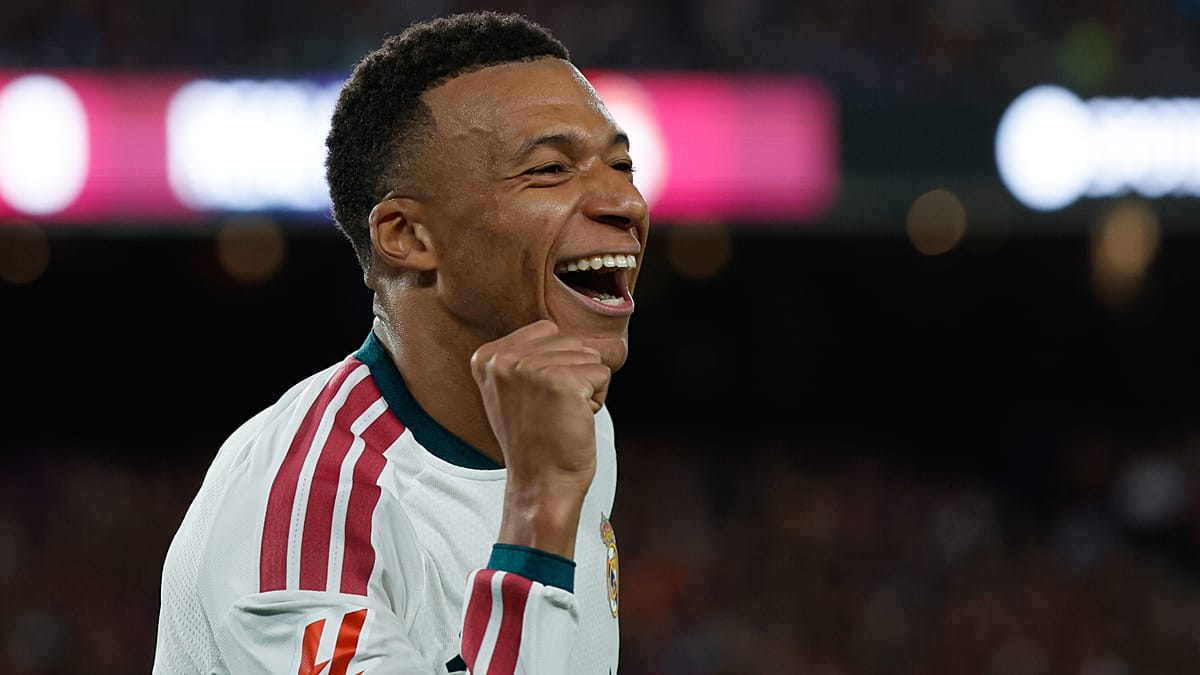
Kylian Mbappé, the French football star now playing for Real Madrid, has seen two of his most prominent Chinese sponsorship deals collapse after a video surfaced in which he appears to joke about Mao Zedong, the founding father of the People’s Republic of China. The clip, which spread rapidly across Chinese social media, prompted immediate reactions from two major brands: the energy-drink manufacturer Dongpeng and the dairy giant Mengniu.
Both companies announced the termination of their agreements with the 27-year-old forward, citing a zero-tolerance policy toward any behavior that offends national sentiment. Dongpeng issued a statement saying it had ended “all forms of cooperation” with Mbappé, while Mengniu confirmed it was ceasing all collaboration with the captain of the French national team.
Why the video caused such a backlash
The controversy stems from the sensitive nature of Mao Zedong, who died in 1976. In China, jokes about Mao are widely considered disrespectful and touch on a politically delicate subject. The video, which has not been publicly verified in full, was enough to trigger a swift corporate response, reflecting the high stakes for foreign athletes who court Chinese audiences.
Both companies emphasized the need to protect national feelings, distancing themselves from Mbappé in unequivocal terms. The split marks a sharp reversal for the player, who had enjoyed immense popularity in China, boasting millions of followers on local social platforms and a strong commercial presence.
Mbappé’s Chinese marketing appeal had been particularly visible during the recent World Cup, where Dongpeng aired advertisements featuring AI-generated images of him drinking the brand’s energy drink. He is also affectionately known in China as “Guigui,” a nickname meaning “turtle,” derived from a meme inspired by the Teenage Mutant Ninja Turtles.
The incident highlights the broader risks that European athletes and brands face when navigating China’s market, where political sensitivities can quickly escalate. For European companies, the episode serves as a cautionary tale about the cultural and political minefields that can arise in cross-border endorsements, especially as China's shifting consumer tastes continue to shape global brand strategies.
Mbappé’s situation also reflects the growing influence of Chinese companies in global sports sponsorship, a trend that has been evident at events like the Paris Motor Show, where Chinese brands are challenging European automakers. The decision by Dongpeng and Mengniu underscores the importance of aligning with local values, a lesson that extends beyond football to other sectors, including fashion and luxury, where Chinese heritage is increasingly celebrated.
For Mbappé, the loss of these sponsorships is a significant financial blow, though his global brand remains strong. The incident may prompt other athletes and their management teams to exercise greater caution when engaging with Chinese audiences, particularly on topics that could be perceived as politically sensitive.
As the story develops, it remains to be seen whether Mbappé will address the controversy publicly or whether his team will seek to repair relations with Chinese partners. In the meantime, the episode serves as a reminder of the delicate balance required in international sports marketing, where a single misstep can unravel years of carefully built goodwill.