Researchers at Stanford University have harnessed a new form of generative artificial intelligence to design custom viruses that can hunt down and destroy harmful bacteria. The work, published in the journal Science, could pave the way for a new class of antibiotics capable of defeating drug-resistant “superbugs” that are increasingly undermining modern medicine.
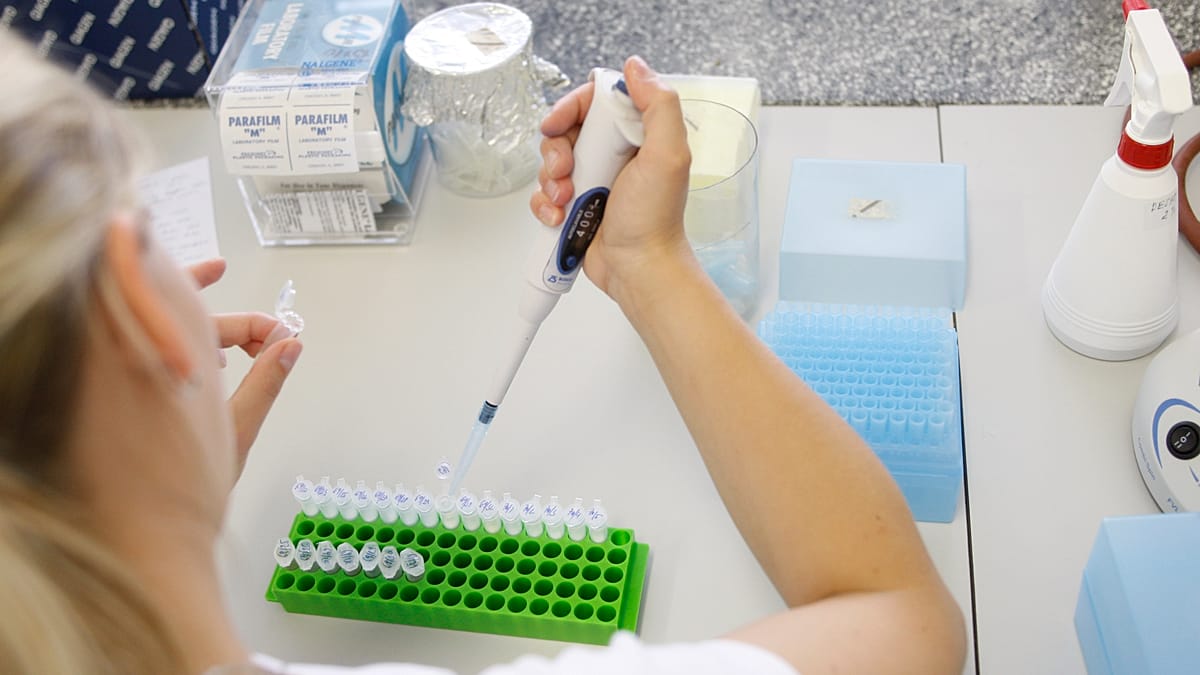
The AI model, named Evo 2, was trained on millions of natural genomes from around the world, learning the complex “grammar” that makes DNA sequences functional. Using this model, the team created a series of bacteriophages—viruses that infect and kill bacteria—and tested them in the lab. A cocktail of 16 of the most promising phages proved highly effective at killing E. coli bacteria that had already developed resistance to natural phages.
E. coli is a common cause of gut infections, and its resistance to antibiotics is growing, a trend driven largely by the overuse and misuse of these drugs. The World Health Organization has called antimicrobial resistance one of the top global public health threats, with Europe seeing thousands of deaths each year from resistant infections.
A cocktail approach to outsmart resistance
Brian Hie, a chemical engineer at Stanford and co-author of the study, explained the advantage of using a mixture of phages: “If the bacteria gain resistance to a single phage, it’s game over for the medication. But if you have multiple genetically distinct phages in a mixture, it would be harder for the bacteria to develop resistance to the entire cocktail.”
The researchers believe the technology could be adapted to target other dangerous pathogens, such as those causing tuberculosis or MRSA, a common hospital-acquired infection. This could be particularly relevant for European healthcare systems, where antibiotic-resistant infections are a growing burden.
Open-source model raises biosecurity questions
Evo 2 has been made freely available for anyone to download and use, a decision that has sparked safety concerns. The study authors acknowledge that “bad actors” could potentially modify the tool to design harmful biological agents. Simon Clarke, an associate professor in cellular microbiology at the University of Reading in the UK, who was not involved in the study, said: “As the authors highlight, this raises some serious regulatory and safety concerns, to say the very least.”
Clarke added that while the Stanford team has shown “restraint in providing important guardrails,” there is no guarantee that other scientists will be as careful. However, he argued that naturally occurring pathogens currently pose a greater risk than AI-designed ones, as they are easier to access and produce.
The authors counter that AI-designed biology offers an advantage over natural evolution: the ability to build safety checks directly into the design process. For instance, the model could be programmed to avoid creating sequences that are harmful to humans or other complex organisms.
Governance gaps in biological data
The debate over open access to biological data is not new. In February 2025, the Evo 2 team announced they had excluded pathogens infecting humans and other complex organisms from their training datasets to “preempt the use of Evo for the development of bioweapons.” Earlier this year, more than 100 researchers signed an open letter warning that while open access has accelerated discovery, a small subset of new biological data poses biosecurity risks if misused.
Currently, no universal framework regulates these datasets. Some developers voluntarily exclude high-risk data, but researchers argue that clear and consistent rules should apply to all. The stakes are high, as AI models could help create severe biological threats.
For Europe, where the debate over AI regulation is already intense—with the EU’s AI Act setting global standards—this story underscores the need for careful governance of emerging biotechnologies. As the continent grapples with the dual challenges of fostering innovation and ensuring safety, the development of AI-designed phages offers a glimpse of both the promise and the peril of this new frontier.