The debate over artificial intelligence in music has taken a sharper turn with new data showing that nearly two in five tracks released worldwide in July 2026 were created with AI assistance. The figures, published by the music submission platform SubmitHub, are the latest evidence that AI's infiltration of the industry is accelerating rather than slowing.
SubmitHub's detection tool, SH Labs, analysed more than one million tracks and found that 23.2% were entirely AI-generated, with a further 15.3% containing AI-produced audio that had been modified or processed by humans. Combined, that means 38.5% of all music released last month involved AI in some form.
Industry response and disclosure push
The findings have intensified pressure on streaming services and rights organisations to address what SubmitHub founder Jason Grishkoff calls a “growing disclosure problem.” In a statement, he argued that the path forward lies in transparency: “People should be able to decide for themselves whether they want to engage with AI-generated music. Our job is to give them enough information to make that choice.”
SubmitHub launched SH Labs earlier this summer, and its technology is already being used by Bandcamp and Traxsource to flag AI content, as well as by GEMA, the German performance rights organisation that recently won a landmark court case against AI music generator Suno.
The new numbers follow a report from Deezer indicating that AI tracks accounted for more than half of all new daily uploads in June. A 2025 study also found that 97% of listeners cannot distinguish between real and AI-generated music, adding to concerns about the potential for deception.
Some platforms are taking action. Bandcamp banned AI-created music at the start of 2026, reserving the right to remove any track suspected of being AI-generated. Spotify, meanwhile, will begin adding an “AI Persona” badge to certain artist profiles from September, helping listeners identify when music may have been produced with AI.
Artists divided over AI's role
The creative community remains split. Prominent figures such as Kate Bush and Queen's Brian May have warned that the unlicensed use of their work to train generative AI poses a major threat to livelihoods. Yet some artists are embracing the technology openly.
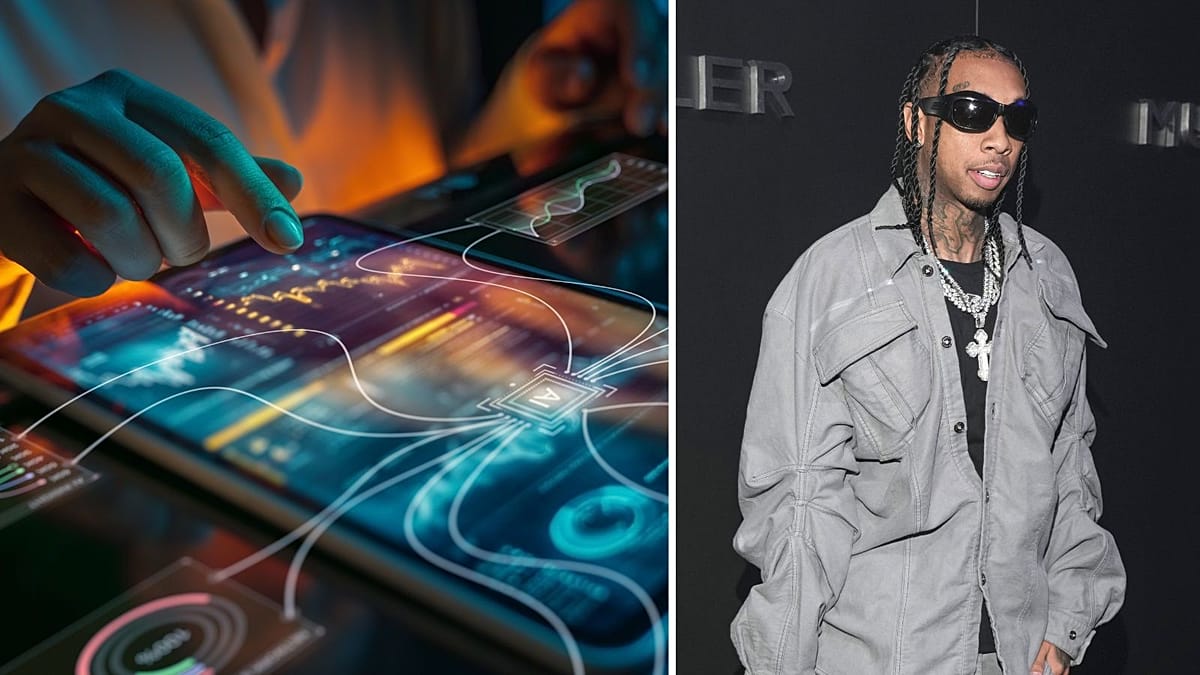
Empire of the Sun's Luke Steele has admitted to using AI in his music, and Boy George used AI to help write his controversial track “We Will Dance Again,” which was later removed from Bandcamp for violating its AI rules. American rapper Tyga has also defended his use of AI on his album “$tarface,” comparing it to the introduction of Auto-Tune. The album was savaged by critics, with Pitchfork awarding it 0/10 and calling its existence “smug and complacent and depressing.” Doja Cat was among those who criticised Tyga, calling him a “penis for making an AI album.”
In a further sign of the industry's shifting attitudes, producer Timbaland has launched an “A-Pop” venture called Stage Zero, signing its first act, TaTa, which he describes as “a living, learning, autonomous music artist built with AI.”
As the technology becomes more embedded, the question of how to regulate and label AI-generated music is moving from the margins to the mainstream. For European artists and rights holders, the stakes are particularly high, given the bloc's ongoing efforts to set global standards in digital regulation. The coming months will likely see more legal battles and policy debates as the industry grapples with what many see as an existential challenge.