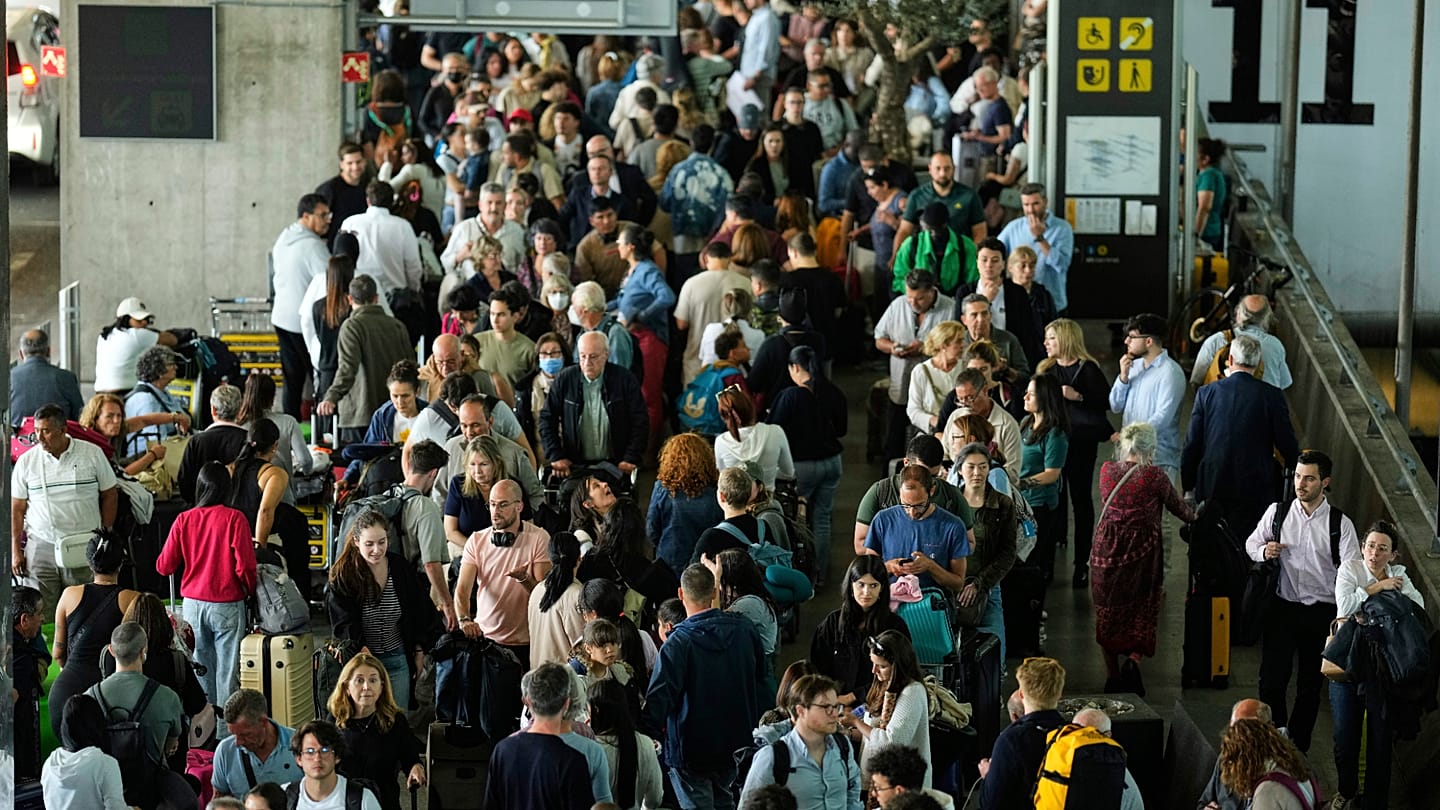
A study released by the environmental NGO Transport & Environment has quantified the impact of surging air tourism on housing costs across seven European countries, with Spain bearing a particularly heavy burden. The research estimates that the influx of visitors by plane adds roughly €3,800 to the price of an average home in Spain, a finding that underscores the tension between the country’s tourism-dependent economy and its struggling housing market.
The analysis, which examined data from 2015 to 2023, found a clear correlation between the growth in air passenger numbers and rising rents and property prices in popular destinations. While the study does not claim that tourism alone is responsible for the housing crisis, it highlights a significant contributing factor that policymakers have often overlooked. In Spain, where tourism accounts for over 12% of GDP, the effect is especially pronounced in coastal regions and major cities such as Barcelona, Málaga, and Palma de Mallorca.
Tourism’s Hidden Cost
Transport & Environment’s report focuses on the role of short-term holiday rentals and second homes, which are often fueled by tourist demand. In Barcelona, for instance, the number of tourist apartments has surged, pushing up rents for local residents. The study estimates that air tourism alone has driven up Spanish rents by an average of €236 per month, a figure that aligns with earlier findings from the same organisation. That previous analysis had already flagged the link between aviation growth and housing affordability.
The problem is not confined to Spain. The study also examined France, Italy, Portugal, Greece, Croatia, and Cyprus, all of which have seen similar trends. In Portugal, the impact on home prices is estimated at €2,900, while in Greece it reaches €2,200. The pattern is consistent: regions with the highest concentration of short-term rentals and the busiest airports experience the steepest price increases.
“Tourism is a double-edged sword,” said a spokesperson for Transport & Environment. “It brings revenue and jobs, but it also drives up living costs for locals. Our data shows that the housing market is being distorted by the sheer volume of air travel, and this is a problem that requires a coordinated European response.”
Policy Responses and Local Tensions
Several Spanish cities have already taken steps to curb the impact. Barcelona has announced a ban on new tourist apartments by 2028, while Palma de Mallorca has capped the number of cruise ship arrivals. However, these measures are often contested by the tourism industry, which argues that they could harm the economy. The study suggests that broader action, such as taxing short-haul flights or regulating short-term rentals more strictly, could help alleviate the pressure.
The findings come at a time when Spain is grappling with extreme weather events linked to climate change. Last month, Spain recorded its second-hottest June on record, a heatwave that contributed to nearly 900 excess deaths. The connection between tourism, aviation emissions, and climate change adds another layer of urgency to the debate.
For now, the housing crisis remains a top concern for Spanish voters. With rents rising faster than wages in many cities, the pressure on local governments is mounting. The Transport & Environment study provides fresh evidence that the tourism boom, while economically valuable, comes with hidden costs that cannot be ignored.