BERLIN — The expiration of a five-year truce between Airbus and Boeing could reignite transatlantic trade tensions and undermine the fragile EU-US agreement struck last summer, according to Bernd Lange, the German MEP who chairs the European Parliament's trade committee.
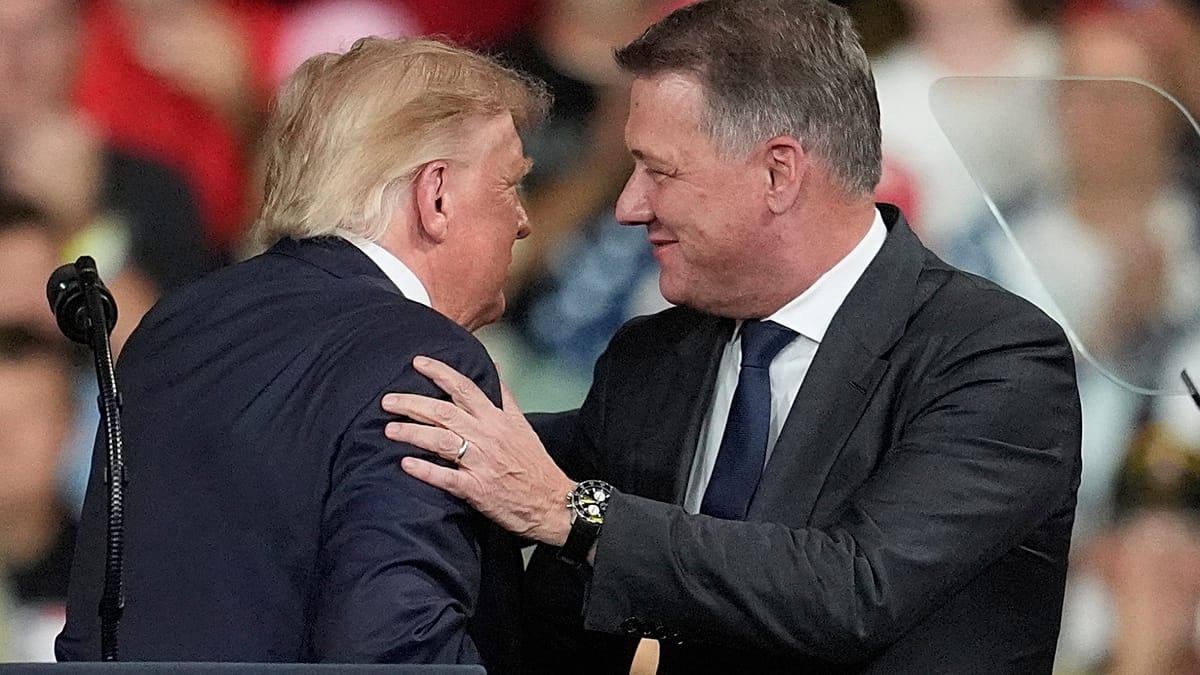
Speaking to journalists on Thursday, Lange warned that the end of the corporate ceasefire on 11 July — which suspended retaliatory tariffs linked to long-running subsidy disputes — could give Washington grounds to breach the Turnberry Agreement, the landmark deal negotiated by US President Donald Trump and European Commission President Ursula von der Leyen in July 2025.
“Will this lead to another escalation? Nobody knows,” said Lange, a member of the Socialists and Democrats group. “I hope this will not blow up.”
Turnberry deal enters final stretch
The European Parliament is expected to vote on the Turnberry Agreement next Tuesday, with lawmakers having fought to include safeguards that would protect the deal from future US tariff threats. Under the agreement, the EU committed to eliminating its duties on US goods, while Washington agreed to cap average tariffs on EU products at 15 percent. However, the deal has always appeared fragile, with Trump repeatedly using tariffs as leverage in non-trade disputes — from his push for the acquisition of Greenland earlier this year to his more recent threat to impose 25 percent tariffs on EU cars after German Chancellor Friedrich Merz criticised the war with Iran.
Last week, Washington threatened to impose 10 percent tariffs on EU goods over forced labour following a Section 301 investigation. If implemented, those duties would be added to existing most-favoured-nation tariffs, pushing average US tariffs on EU goods above the 15 percent ceiling agreed under the Turnberry deal.
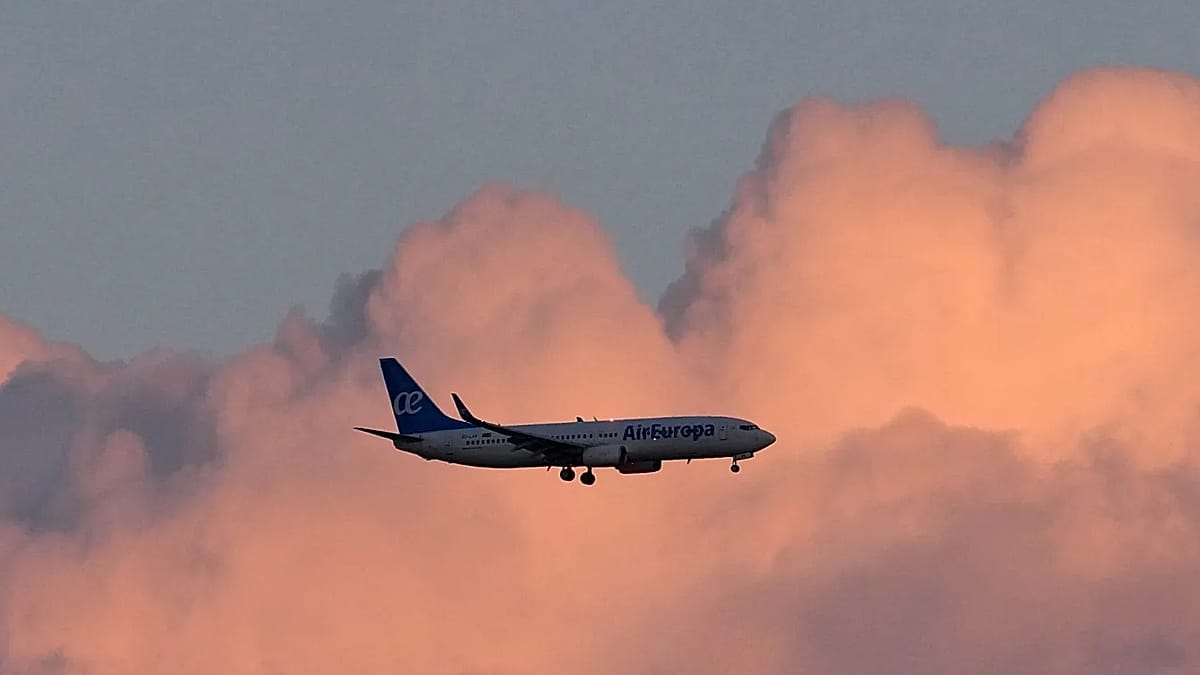
The Airbus-Boeing dispute dates back more than two decades. The US first brought a case before the World Trade Organization arguing that the EU was illegally subsidising Airbus. Brussels responded with its own complaint, accusing Washington of unlawfully supporting Boeing. The dispute eventually spiralled into a tariff war, with both sides imposing punitive duties on products ranging from wine and spirits to cheese and tobacco, affecting $11.5 billion worth of trade.
A truce was reached in 2021 under the Biden administration, taking effect on 11 July that year and suspending retaliatory measures for five years. However, no extension has been announced since. “Discussions with the US are ongoing to ensure stability and certainty and to continue the suspension of countermeasures on both sides,” Commission deputy chief spokesperson Olof Gill told Euronews.
In its Trade Policy Agenda 2026, the Trump administration said the US Trade Representative would decide in July "whether to take action in the Section 301 investigation involving the enforcement of US rights in the World Trade Organization disputes involving large civil aircraft". The US is able to impose tariffs on trading partners under section 301 of the Trade Act of 1974.
The potential for renewed aerospace tensions comes as Europe's defence industry faces its own challenges. The collapse of the Franco-German FCAS fighter jet project has left a void that an Airbus-led consortium is now seeking to fill with a new proposal for a German-backed fighter jet. Meanwhile, broader transatlantic relations remain strained, with the ongoing conflict in the Middle East adding another layer of complexity to diplomatic and trade negotiations.
Lange's concerns reflect a broader anxiety in Brussels and European capitals that the Turnberry Agreement, while a significant achievement, may not withstand the pressures of a renewed aerospace dispute. The MEP emphasised that the European Parliament's safeguards were designed precisely to protect the deal from such shocks, but acknowledged that the outcome remains uncertain.
“The agreement has always appeared fragile,” Lange said. “We have done our part to build in protections, but it takes two to keep a deal alive.”