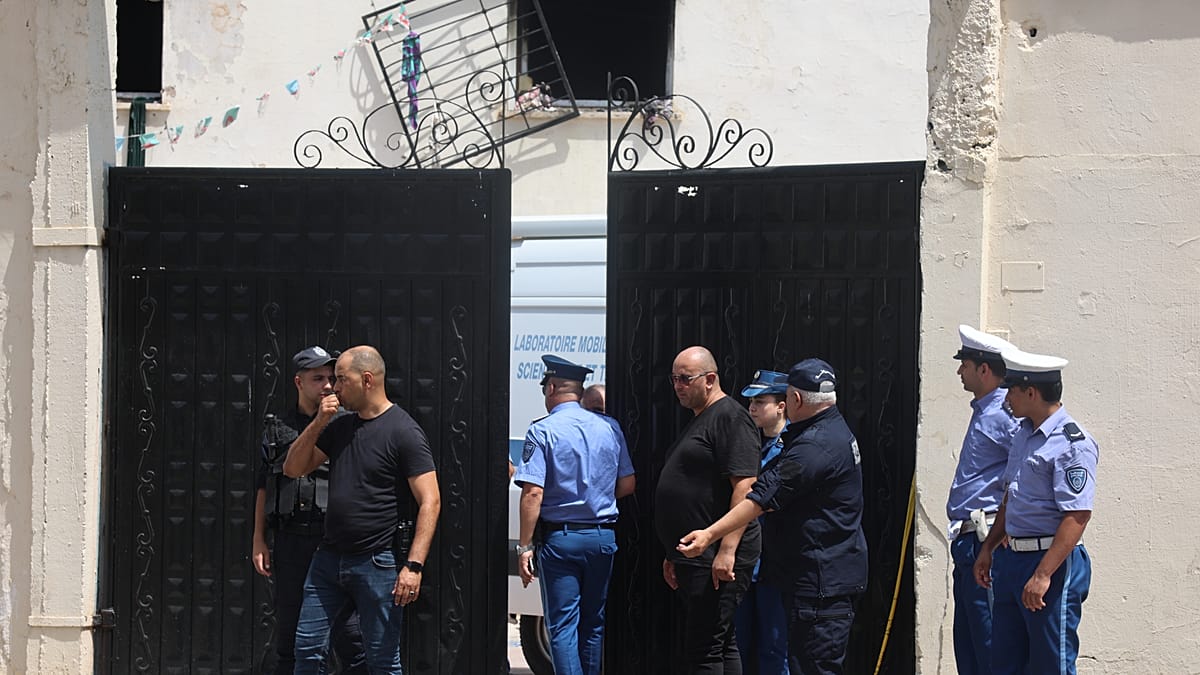
Algerian authorities have opened an investigation into a deadly fire at an orphanage in the town of Mohammadia, approximately 30 kilometres east of Algiers, that killed 11 people and injured 19 others early on 16 July. The blaze, which struck during a punishing heatwave, has drawn attention to the country's fire safety standards and its vulnerability to extreme weather.
The fire broke out in the early hours of the morning at the Centre d'Enfance Assistée de Mohammadia, a state-run facility for children. Local civil protection officials reported that the flames spread rapidly through the building, trapping residents and staff. Emergency services arrived quickly, but the intensity of the fire hampered rescue efforts. Among the dead were children and at least one caregiver, according to preliminary reports from the Algerian Ministry of Solidarity.
Algeria has been experiencing an intense heatwave, with temperatures in the Algiers region exceeding 45°C in recent days. The extreme heat has contributed to a surge in wildfires across the country, with authorities recording nearly 1,000 blazes in the past week alone. The orphanage fire is the deadliest single incident in this wave of fires, though several wildfires have also caused casualties and destroyed homes in rural areas.
Investigation and Political Response
Algerian President Abdelmadjid Tebboune has ordered a full investigation into the cause of the fire, which is being led by the national gendarmerie. Preliminary assessments suggest that an electrical fault may have triggered the blaze, but officials have not ruled out other possibilities. The government has also announced an audit of fire safety protocols at all orphanages and similar institutions across the country.
The tragedy has prompted expressions of solidarity from across the region. Spanish Prime Minister Pedro Sánchez, who has been strengthening ties with Algeria amid energy cooperation and migration talks, offered condolences via a statement from his office. Sánchez is expected to visit Algeria later this month as part of a broader diplomatic push, as reported in Sánchez to Attend Spain-Argentina World Cup Final in New York, Then Fly to Algeria.
The fire also echoes other recent deadly blazes in the Mediterranean region. In Brussels, a construction site lift shaft fire killed several workers earlier this year, highlighting persistent safety gaps in building regulations across Europe. That incident is covered in Deadly Fire in Brussels Construction Site Lift Shaft Kills Several.
Algeria's fire crisis is part of a broader pattern of extreme heat and wildfires affecting the southern Mediterranean. In neighbouring Spain, a deadly wildfire in Andalusia claimed 12 lives, mostly foreign nationals, as reported in Deadly Wildfire in Andalusia Claims 12 Lives, Mostly Foreign Nationals. Sánchez has called for better prevention measures after that disaster, as detailed in Sánchez Calls for Better Prevention After Deadly Wildfire in Almería.
The Mohammadia orphanage fire has reignited debate in Algeria about the adequacy of fire safety infrastructure, particularly in public buildings housing vulnerable populations. Opposition figures have criticised the government for underfunding social services and failing to enforce building codes. The investigation is expected to take several weeks, with a preliminary report due within ten days.
For now, the focus remains on the victims and their families. Funerals for the deceased were held on 17 July in Mohammadia, attended by local officials and residents. The injured are being treated at hospitals in Algiers and Blida, with several in critical condition.