Overtourism continues to strain Europe's most beloved cities and islands, from Barcelona to Santorini. While travelling off-season or avoiding the busiest sights can ease the pressure, the most effective remedy is simply to choose less crowded destinations. That's the thinking behind Intrepid Travel's annual 'Not Hot List', which since 2018 has spotlighted under-the-radar alternatives where visitor spending genuinely benefits local communities.
“If we want tourism to continue to be a force for good, we need to constantly rethink how and where we travel,” said Erica Kritikides, general manager of experiences at Intrepid Travel. “The Not Hot List isn’t just about surfacing lesser-known places, it aims to shift the conversation and help travellers to discover new destinations where their visit can make a meaningful contribution to local communities and economies.”
Each destination on the list must have the infrastructure to support more visitors, and the 2027 edition highlights places with new initiatives, improved connectivity, or major events that make them particularly timely. Three European spots stand out: Alonnisos in Greece, Liepāja in Latvia, and Dalsland in Sweden.
Alonnisos: Greece’s quiet island escape
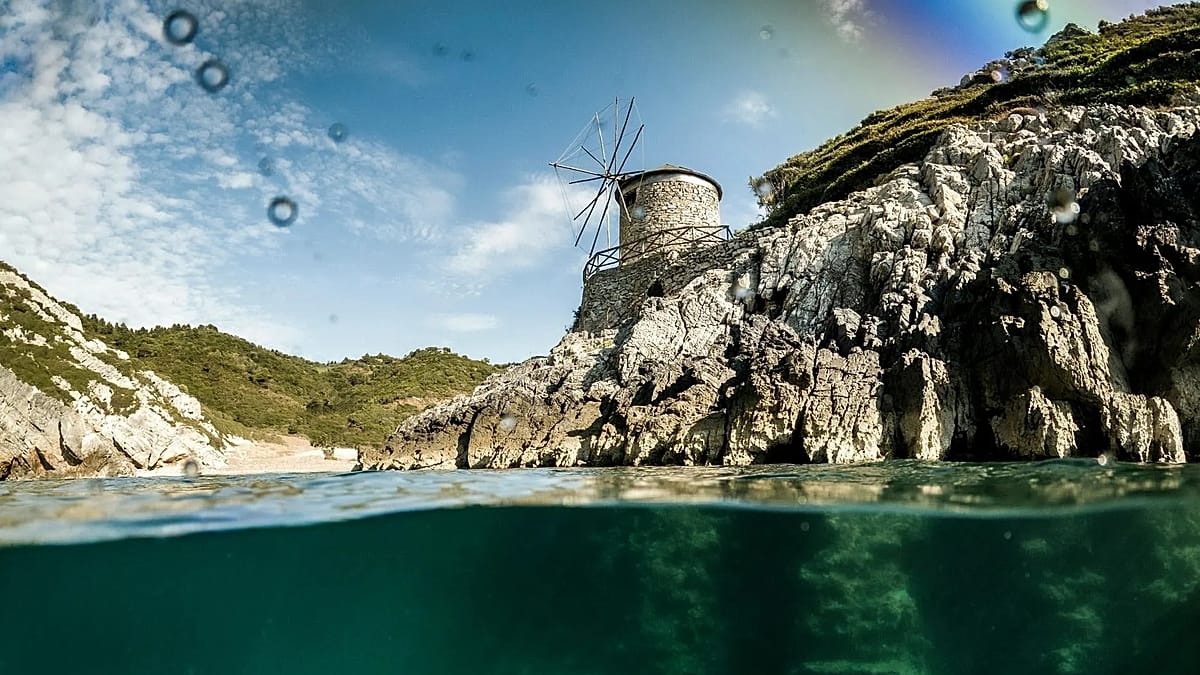
While many Greek islands are overwhelmed by summer crowds, Alonnisos in the Northern Sporades archipelago remains a serene alternative. Accessible only by ferry or private yacht, it welcomed just 70,000 visitors in 2024. The island is home to the National Marine Park of Alonnisos and Northern Sporades, Europe’s largest marine protected area, and Greece’s first underwater museum, the Peristera shipwreck. Even non-divers will appreciate the picturesque old town of Chora, with its traditional architecture and relaxed atmosphere.
Liepāja: Latvia’s cultural capital for 2027
Liepāja, Latvia’s third-largest city, has been named a European Capital of Culture for 2027. The year will feature more than 500 cultural events, from music festivals to art exhibitions. Beyond the cultural programme, Liepāja offers an eight-kilometre sandy beach, making it a compelling coolcation alternative to the Mediterranean. Its rich history, including a vibrant music scene, adds to its appeal.
Dalsland: Sweden’s lake district
Dalsland, often called Sweden’s Lake District, is a vast, sparsely populated region with over 2,000 lakes. It has long been a haven for canoeists and anglers, but a new rail link between Malmö and Oslo, launched in June 2025, has made it more accessible. The region is also known for its gravel biking, with 850 kilometres of dedicated routes. According to Intrepid, “the drawcard isn’t so much a specific sight, destination or highlight – it’s the opportunity to travel slowly and the type of freedom that is hard to come by in the modern age.”
These three European destinations join a global list that includes Kenya’s Samburu National Reserve, Georgia’s Mestia, and the Pekoe Trail in Sri Lanka. For travellers seeking meaningful experiences without the crowds, they offer a chance to explore Europe’s lesser-known corners while supporting local economies. As the travel industry grapples with sustainability, such alternatives are becoming increasingly vital.