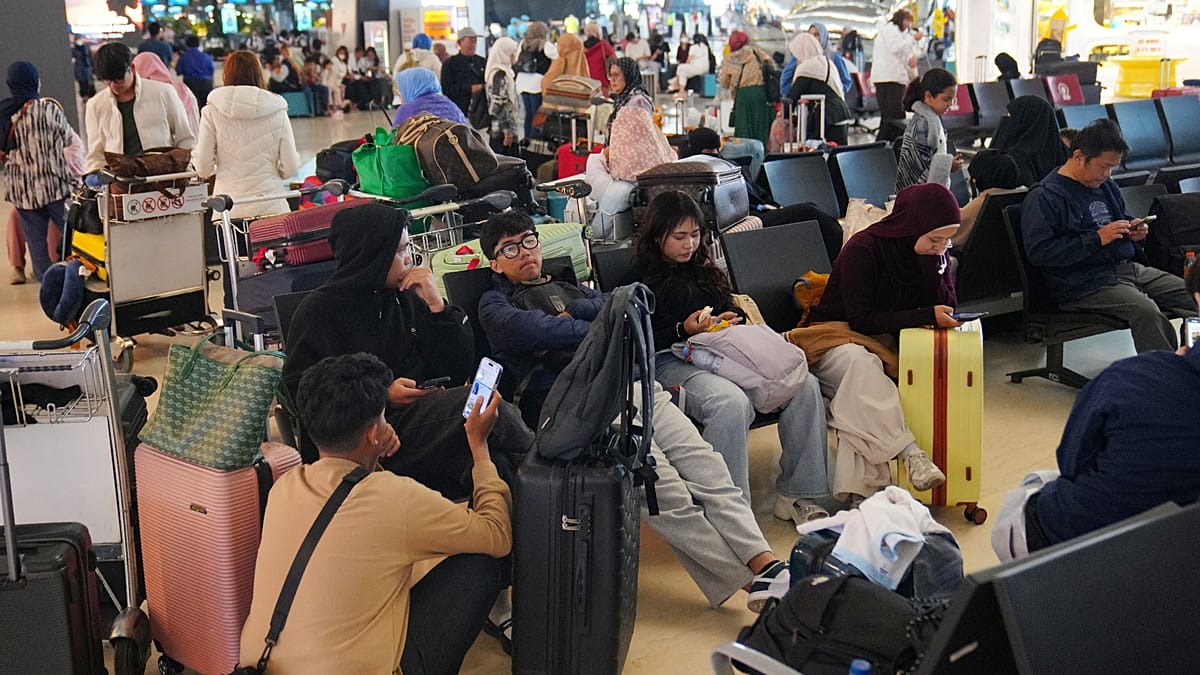
A violent eruption of Anak Krakatau, the volcanic island in the Sunda Strait, has thrown Indonesian aviation into disarray, forcing the closure of eight airports and the cancellation of more than 2,300 flights. The disruption, which began over the weekend, has left an estimated 268,000 travellers stranded across the archipelago, with many spending hours in long queues at airline counters seeking refunds or rebookings.
The volcano, which sits between Java and Sumatra, sent a dense column of ash more than 15 kilometres into the atmosphere. Prevailing winds carried the fine particles over major transport hubs, including Soekarno-Hatta International Airport in Jakarta, the country's busiest. Authorities acted quickly to shut runways as a precaution, but the scale of the closures has created a logistical nightmare for airlines and passengers alike.
Airports shut, flights grounded
Among the affected airports were those in Jakarta, Bandung, and several cities in Sumatra. In total, eight airports were forced to suspend operations, with some remaining closed for more than 24 hours. The cancellations rippled through the domestic network, stranding travellers in holiday destinations such as Bali and Lombok, where many had been awaiting connecting flights.
Video footage from Jakarta's airport showed hundreds of passengers queuing at service desks, some visibly frustrated after spending the night on terminal floors. Airlines, including Garuda Indonesia and Lion Air, scrambled to reroute aircraft and accommodate affected customers, but the sheer volume of disruptions overwhelmed their contingency plans.
"We have never seen anything like this in recent years," said one airport official, speaking on condition of anonymity. "The ash cloud moved quickly, and we had to make safety the top priority. But the knock-on effect has been enormous."
Volcanic ash: a persistent threat to aviation
Volcanic ash is a well-known hazard for aircraft, as it can damage engines, pit windshields, and clog sensors. The International Civil Aviation Organization has long established procedures for rerouting flights around ash clouds, but the unpredictable nature of eruptions often leaves little time for planning. In this case, the ash reached cruising altitudes, forcing airlines to ground planes rather than attempt to fly around it.
Anak Krakatau, which emerged from the sea in the 1920s following the catastrophic 1883 eruption of Krakatoa, has been increasingly active in recent years. Its last major eruption, in December 2018, triggered a tsunami that killed more than 400 people along the coasts of Java and Sumatra. While the current eruption has not caused a tsunami, it has served as a stark reminder of the region's geological volatility.
Recovery underway, but delays persist
By Tuesday, most airports had reopened as the ash cloud dispersed, and airlines began operating rescue flights to clear the backlog. However, officials warned that it could take several days to return to normal schedules. Passengers are being advised to check with their airlines before heading to the airport, as residual delays and cancellations are likely.
The disruption in Indonesia echoes similar incidents elsewhere in the world, including the 2010 eruption of Eyjafjallajökull in Iceland, which shut down much of European airspace for nearly a week. That event led to stricter European regulations on flying through ash clouds and prompted the development of volcanic ash advisory centres. European travellers, who often fly to Southeast Asia for holidays or business, may find themselves affected by the current cancellations, though no direct flights from Europe have been grounded.
For those with upcoming travel to Indonesia, experts recommend monitoring the situation closely and considering flexible booking options. The Indonesian government has set up hotlines and information desks at major airports, and airlines have been instructed to offer refunds or free rebooking for affected passengers.
As the region recovers, the focus shifts to the longer-term implications of living with an active volcano. Indonesia sits on the Pacific Ring of Fire, with more than 120 active volcanoes, making such disruptions an occasional reality. For now, the priority is getting stranded travellers home and ensuring that the aviation system can withstand future eruptions.