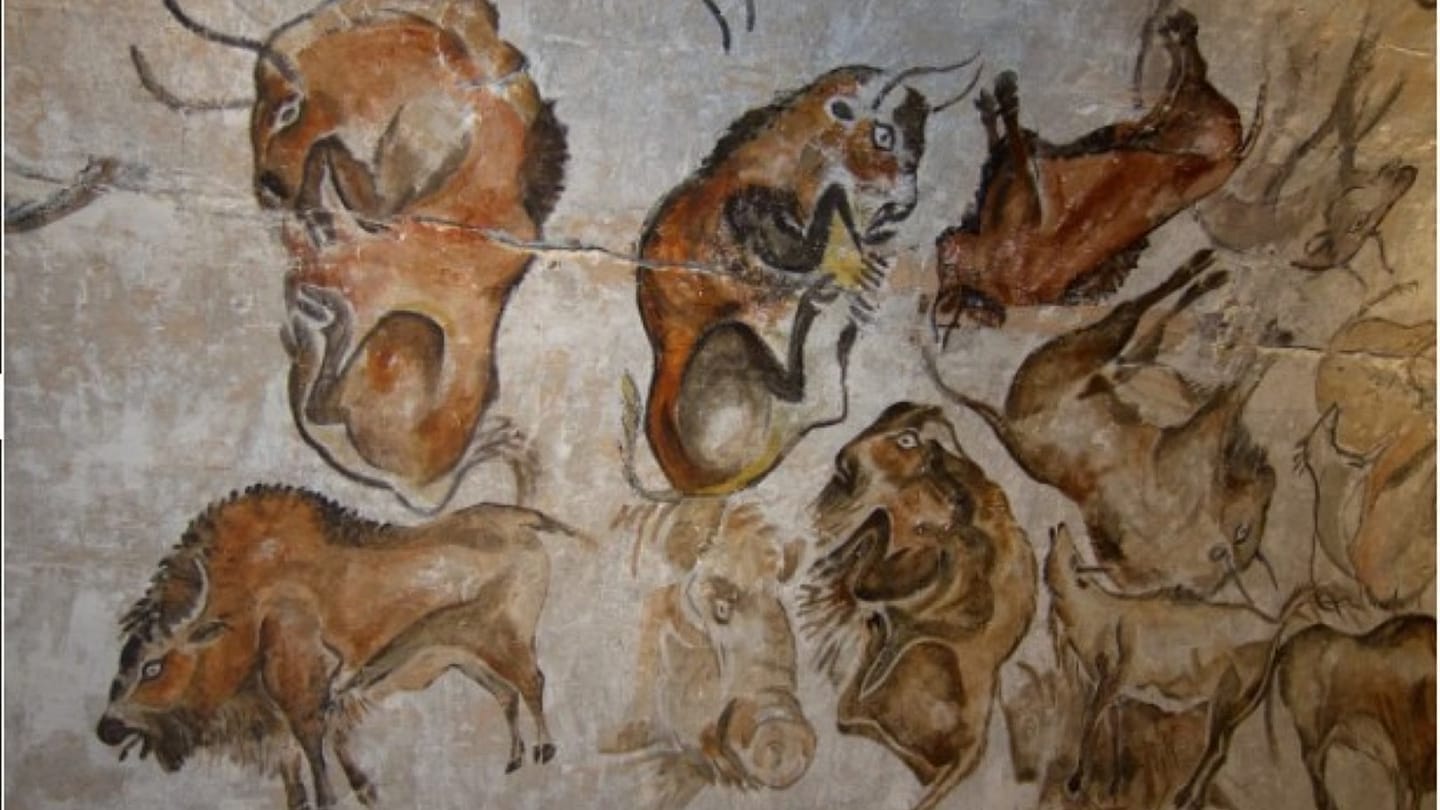
A team of scientists based in Cáceres, Spain, has uncovered human DNA more than two millennia old on the walls of caves in Spain and Portugal. The discovery, published in a peer-reviewed journal, opens a novel avenue for investigating prehistoric populations without the need for skeletal remains or burial sites.
The researchers collected samples from limestone caves in the Iberian Peninsula, focusing on areas where ancient people left traces of their presence. By analyzing sediment and mineral deposits, they extracted genetic material that dates back over 2,000 years. This method allows scientists to identify the genetic makeup of individuals who inhabited these caves, offering insights into migration patterns, kinship, and health.
Implications for Archaeology
Traditional archaeological genetics relies on bones or teeth, which are often scarce or degraded. The new technique, which targets DNA trapped in cave formations, could dramatically expand the scope of ancient DNA studies. "This is like finding a genetic archive written on the walls themselves," said Dr. María López, the lead author of the study. "We can now ask questions about populations that left no other trace."
The caves in question are located in the regions of Extremadura in Spain and the Algarve in Portugal, areas rich in prehistoric art and occupation layers. The DNA recovered likely comes from skin cells, sweat, or other biological material left behind by people who used the caves for shelter or rituals. The findings align with known archaeological records, confirming the method's reliability.
This research comes as southern Europe faces extreme heat, which can accelerate DNA degradation. The team's success in preserving ancient genetic material under such conditions underscores the potential of caves as stable environments for long-term DNA survival.
The study also highlights the importance of protecting these sites. As tourism and climate change threaten cave ecosystems, the discovery adds urgency to conservation efforts. Portugal's recent investments in education could support training for archaeologists in these new techniques.
Beyond the Iberian Peninsula, the method could be applied to caves across Europe, from the Dordogne in France to the Carpathians in Romania. Each site holds potential for reconstructing the genetic history of the continent's earliest inhabitants. The researchers plan to expand their work to other regions, including the Balkans, where similar limestone caves are common.
The discovery also raises ethical questions about the handling of ancient human remains. Unlike bones, cave DNA is non-invasive to collect, but it still represents the genetic legacy of past individuals. The team has worked with local heritage authorities to ensure compliance with regulations, a model that could be adopted elsewhere.
For now, the finding marks a significant step forward in the field of archaeogenetics. As Dr. López noted, "We are only scratching the surface of what these caves can tell us."