Allegations that Apple Maps has deliberately removed the names of villages in southern Lebanon have spread rapidly across social media, accumulating millions of views. The claims, which accuse the US tech giant of supporting Israel's military actions or even engaging in 'digital genocide,' surfaced during a period of significant regional instability. This includes Israeli airstrikes in Lebanon and retaliatory rocket fire from Hezbollah, despite a recent ten-day ceasefire agreement. European Commission President Ursula von der Leyen welcomed the pause, emphasising the need for a 'path to permanent peace.'
Examining the Evidence
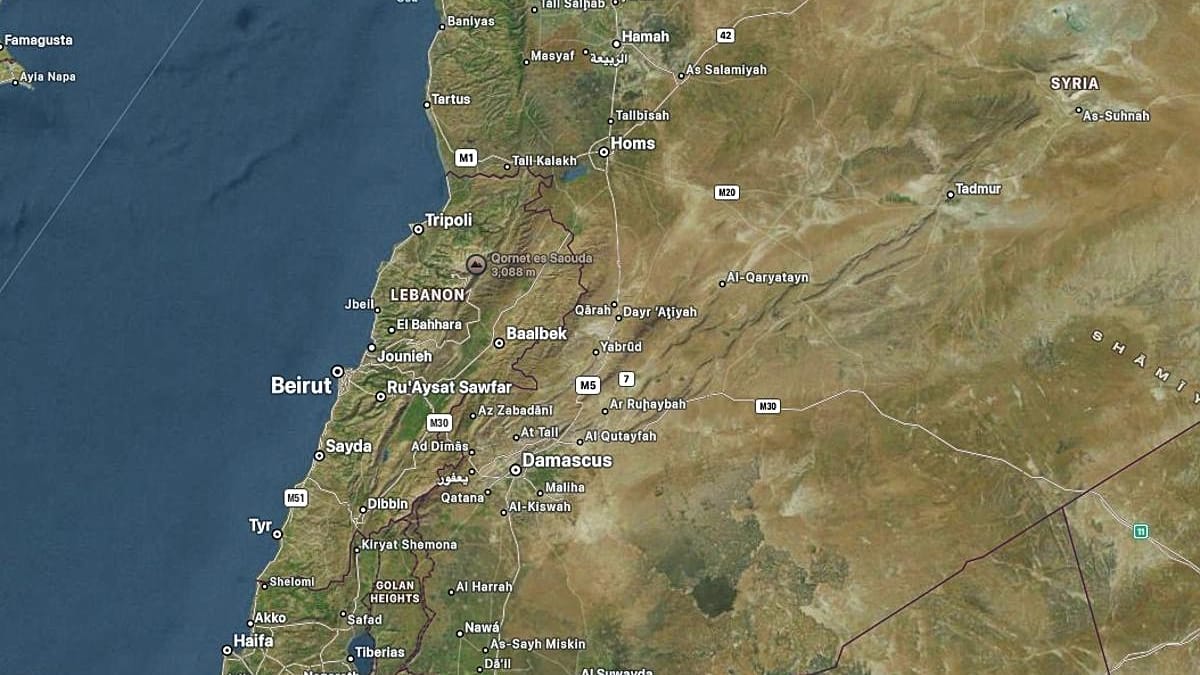
An investigation into the viral claims reveals that while Apple Maps displays local businesses and some streets in areas near Tyre, a city on Lebanon's southern coast, it does not show village or town names. In contrast, Google Maps provides a more detailed view with these labels present. However, there is no evidence that Apple removed existing data. A company spokesperson told Wired Middle East that the village names had never been part of its mapping service for Lebanon.
Experts confirm this assessment. Łukasz Prażmo, CEO of Poland-based GIS-Expert, stated that without 'before' screenshots, 'it cannot be definitively proven that removal took place.' Abdallah Bsaibes, founder of Beirut's GeoSpatialMinds Group, noted that the absence of labels is not proof of deletion, as display rules and map styling often control what appears. He added that Apple Maps' dataset for Lebanon remains in a 'beta' stage, making it less reliable than competitors.
A Pattern of Patchy Coverage
The gaps in Apple's mapping are not unique to Lebanon. Comparable omissions exist in other regions, including Jordan, Belize, and Tibet, suggesting a systemic data issue rather than a politically motivated edit. Roland Abi Najem, a cybersecurity and AI consultant based in Kuwait, attributes the shortcomings to limited data collection and a lack of investment in the Lebanese market, with Apple prioritising regions like Europe and North America where user engagement is higher.
Public reporting indicates Apple Maps originally relied on third-party providers like TomTom and OpenStreetMap. Prażmo's analysis suggests OpenStreetMap is a primary source for Lebanon's road network on Apple's platform. 'It's unclear,' Prażmo says, 'why Apple wouldn't have included detailed village names from the same open-source dataset in its product.' In 2023, reports indicated Apple was shifting towards generating its own map data directly from iPhones and mapping cars, but features like 'Look Around' are not available in Lebanon.
The controversy underscores the geopolitical weight often assigned to digital platforms. As European debates over technology and sovereignty intensify, the incident highlights how mapping errors can be misinterpreted as deliberate acts in conflict zones. The viral posts were notably amplified by a pro-Iranian account based in South Asia, which has a history of spreading misleading claims regarding Iran's military capabilities.
For European users and policymakers, the situation is a reminder of the fragmented nature of global digital infrastructure and the commercial realities that shape it. Apple's strategic focus on core markets means its services can be inconsistent elsewhere, a point of consideration for the company's next leadership as it navigates the European market. The broader regional conflict also has direct implications for Europe, particularly in energy security, as warned by the EU's energy chief.
Ultimately, the claim of intentional erasure does not withstand scrutiny. Lebanese residents and online forums have long noted Apple Maps' unreliability in the country, with one user complaining on Apple's website as far back as 2019 about a lack of available directions. The current viral narrative, while politically charged, appears to be a case of misinterpreting incomplete and long-standing technical limitations as a malicious, contemporary act.