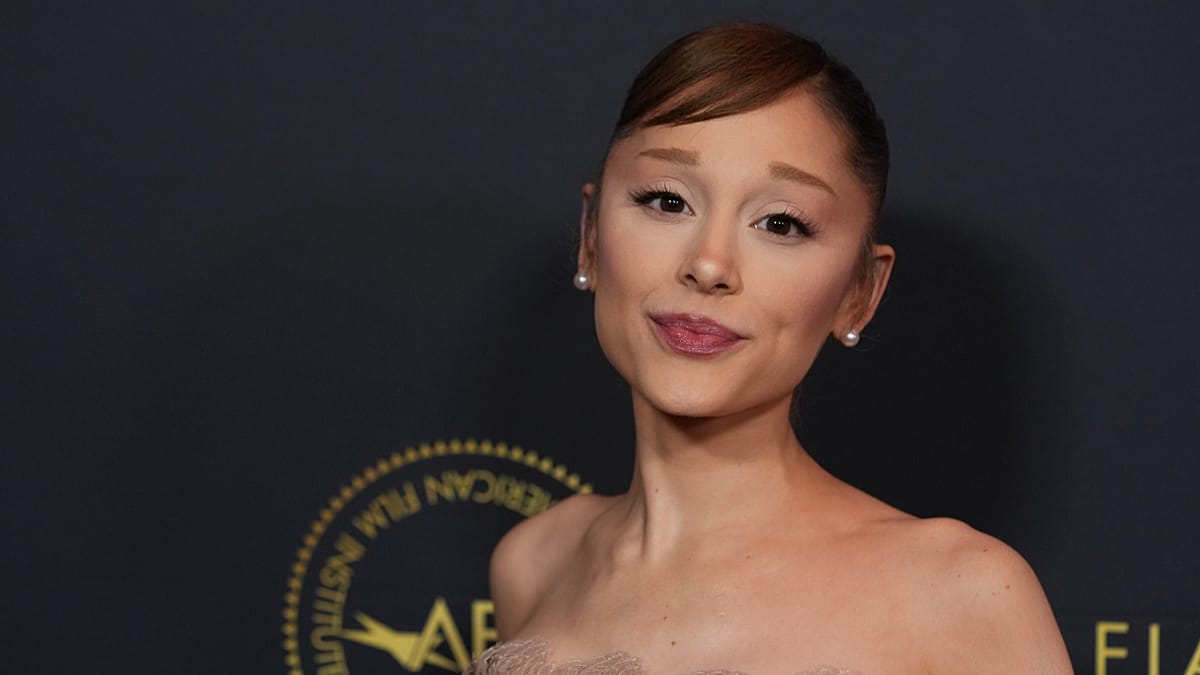
Ariana Grande has announced she will step back from public engagements once her current tour concludes, a decision her representatives attribute to the relentless scrutiny that has followed her in recent months. The 33-year-old singer and actress, who is currently wrapping up the North American leg of her 'Eternal Sunshine' tour, will complete a ten-date residency at London's O2 Arena later this month before taking an indefinite pause from the spotlight.
Her representative confirmed the move to People magazine, stating: "Ariana will be taking a step back from visibility after she completes the 'Eternal Sunshine' tour. She looks forward to finishing the tour and ending it on a high note, both healthily and happily, and then taking a much-deserved break from public-facing work and appearances, which has led to endless, ongoing public scrutiny."
The announcement comes amid renewed online commentary about Grande's physical appearance, which intensified after the release of the music video for 'Petal', the title track from her new album released on 31 July. Grande has previously spoken candidly about the toll that public speculation about her body and health has taken on her wellbeing.
West End withdrawal
As part of this step back, Grande will no longer appear in the upcoming West End revival of Stephen Sondheim's 1984 musical Sunday in the Park with George. She had been slated to star alongside her Wicked co-star Jonathan Bailey in the production, which was due to open in London next year. The show, inspired by Georges Seurat's painting A Sunday Afternoon on the Island of La Grande Jatte, is a cornerstone of American musical theatre and has long been anticipated by European audiences.
Grande's decision to withdraw from the production underscores the personal cost of her current level of fame. A source close to the singer emphasised that she remains in good health, telling People: "She performs a very physical show, and there is a lot of athleticism involved. She performs healthily and successfully at a very high level night after night."
The singer's history with public scrutiny is not new. She has previously addressed the constant commentary on her appearance, and has been open about her mental health struggles, particularly following the Manchester Arena attack in May 2017, when a suicide bomber killed 22 people at her concert. That tragedy has left a lasting mark on her relationship with live performance and public visibility.
Grande's decision to step back is part of a broader conversation about the pressures faced by global celebrities in an era of hyper-connectivity. For European audiences, her London residency at the O2 will be a final chance to see her perform before she retreats from the public eye. The shows, which begin later this month, are expected to be a celebration of her career so far, with fans eager to catch a glimpse of the star before her hiatus.
The news has also reignited discussions about the ethics of celebrity culture, particularly the way social media amplifies invasive commentary. Grande's case is a stark reminder of the human cost behind the headlines, a theme that resonates across the continent, where public figures from politicians to performers increasingly face similar pressures.
As she prepares to end her tour on 1 September, Grande leaves behind a legacy of resilience and artistic achievement. Her decision to prioritise her wellbeing over public expectation is a rare and powerful statement in an industry that often demands constant visibility. For now, her fans in Europe and beyond will have to wait to see what the next chapter holds for one of pop music's most enduring stars.