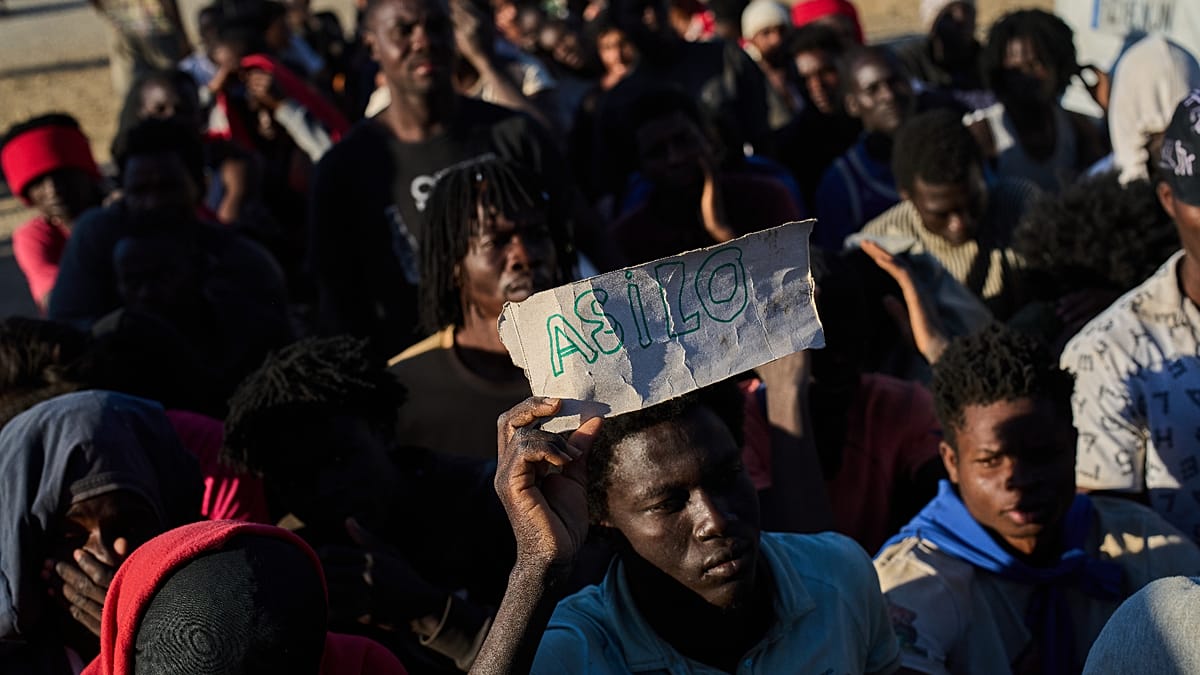
Asylum applications across Europe have fallen to their lowest level in five years, according to new figures from the European Union Agency for Asylum (EUAA). In the first six months of 2026, the 27 EU member states plus Switzerland and Norway received roughly 332,000 requests for international protection — a 17% decrease compared with the same period in 2025, continuing a downward trend that began in 2024.
The EUAA attributes the decline to two main factors: the ongoing political transition in Syria, which has reduced the need for Syrians to seek refuge abroad, and the EU's intensified cooperation with countries of origin and transit. The agency also noted that escalating conflicts in the Middle East have not translated into higher asylum numbers in Europe, suggesting that current migration routes and policy measures are having a measurable effect.
Among the bloc's external partnerships, the EU has signed agreements with Tunisia and Mauritania, offering financial support in exchange for stricter border controls. These deals are part of a broader strategy to curb irregular migration flows before they reach European shores.
Where are the applications going?
France received the highest number of applications (69,000), followed by Italy (66,000), Spain (55,000), and Germany (55,000). On a per-capita basis, Greece saw the most pressure, with 23,000 applications — roughly one for every 400 residents. This concentration highlights the uneven distribution of asylum seekers across the continent, a point that continues to fuel political debates in several member states.
Of all applicants, 31% were granted international protection at first instance. Refugee status was more commonly awarded than subsidiary protection. Recognition rates varied significantly by nationality: applicants from Mali had the highest success rate (87%), followed by Haiti (84%) and Afghanistan (73%).
The largest applicant groups were Afghans (39,000), Venezuelans (33,500), and Bangladeshis (19,500). These figures reflect ongoing instability in those regions, as well as the continued displacement of populations due to conflict, economic hardship, and political repression.
The data comes as the EU's new Pact on Migration and Asylum entered into application on 12 June, overhauling the bloc's migration and asylum system. The pact introduces mandatory solidarity mechanisms and streamlined procedures, though its implementation is expected to be tested in the coming months. The decline in applications may ease some of the pressure on national systems, but the political sensitivity of migration remains high, as seen in recent debates over border incidents in Ceuta and the rise of anti-immigration parties in countries like Germany.
While the overall trend is downward, experts caution that numbers can shift quickly due to geopolitical events. The EUAA's next full-year report will provide a clearer picture of whether this decline is sustainable or merely a temporary lull.