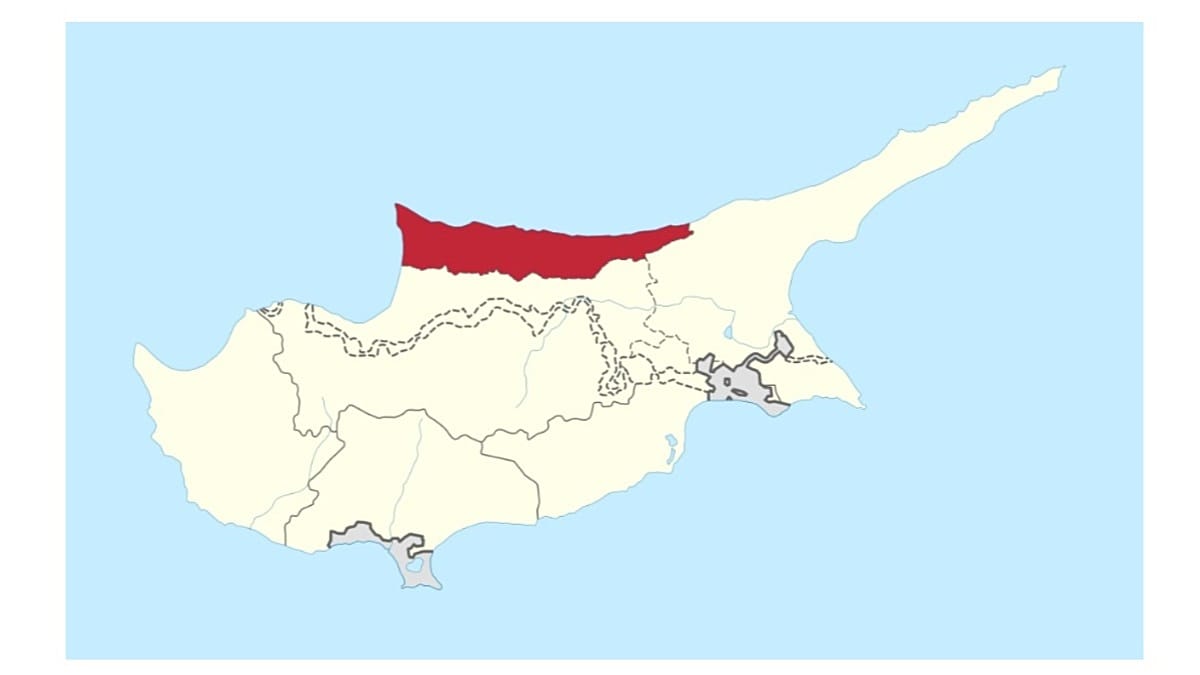
At least seven people have died after a passenger ship capsized off the coast of northern Cyprus on Sunday, according to local officials. The vessel, which was en route from Kyreneia (Girne) to the Turkish port of Taşucu, began taking on water roughly six kilometres from the Cypriot coast around midday.
Turkey's Interior Ministry confirmed that 259 passengers and eight crew members were aboard. Rescue teams, including vessels from the Turkish navy and coast guard, were dispatched to the scene. Murat Senkul, the mayor of Kyreneia, described the situation as "very serious" in a Facebook post, adding that a large-scale rescue operation was under way.
Tufan Erhürman, the president of the self-declared Turkish Republic of Northern Cyprus (TRNC), told CNN Turk: "So far, we have reached 244 people. Seven of those reached have lost their lives, and 23 people are missing." The TRNC is recognised only by Turkey, and its administration operates separately from the internationally recognised Republic of Cyprus.
Rescue efforts and footage
Video footage circulating on social media appeared to show passengers wearing life jackets sitting on the overturned hull of the ship as they waited for help. The images underscored the urgency of the operation, which continued into the evening.
The cause of the sinking remains unclear. Officials have not yet commented on whether mechanical failure, weather conditions, or overloading played a role. The vessel was reportedly a small passenger ferry, and questions are likely to be raised about safety standards on routes between Turkey and northern Cyprus.
The incident has also highlighted the complex political situation on the island. Cyprus has been divided since 1974, with the Republic of Cyprus in the south and the TRNC in the north. The Republic of Cyprus's president, Nikos Christodoulides, offered assistance, stating: "Our position is clear: when human lives are at risk, we contribute with every available means." His office added that the Republic of Cyprus has "the resources, the operational capacity, and, above all, the readiness to provide immediate assistance."
However, the TRNC's administration has historically been wary of cooperation with the south, and it remains to be seen whether any joint rescue effort will materialise. The disaster comes at a time when Cypriot leaders have agreed to weekly talks following a push by the United Nations to revive peace negotiations.
Rescue teams were still searching for the missing on Monday morning, with hopes of finding survivors fading. The Turkish Red Crescent and other aid organisations have been mobilised to support the rescued passengers, many of whom were reportedly Turkish Cypriots and Turkish nationals.
This tragedy is a stark reminder of the risks faced by those who travel by sea in the eastern Mediterranean. Earlier this year, a similar rescue operation off the Mauritanian coast saved hundreds of migrants from a drifting boat, but such incidents often end in loss of life.
As the investigation into the sinking begins, families of the missing are anxiously waiting for news. The authorities have promised a full inquiry into the circumstances of the disaster, but for now, the focus remains on the search and the care of the survivors.