At Taronga Zoo in Sydney, a team of marine biologists has achieved something unusual: they have trained seals and sea lions to voluntarily take part in hearing tests. The animals wear electrodes and respond to sound signals, allowing researchers to measure their auditory sensitivity with remarkable precision.
The project, led by Dr. Laura Barlow, focuses on how underwater noise from shipping, construction, and naval activity affects the hearing of pinnipeds—the group that includes seals, sea lions, and walruses. "We know that noise pollution is a growing concern in the world's oceans, but we have very little data on how it actually impacts these animals' ability to hear and communicate," Barlow explained.
Training with positive reinforcement
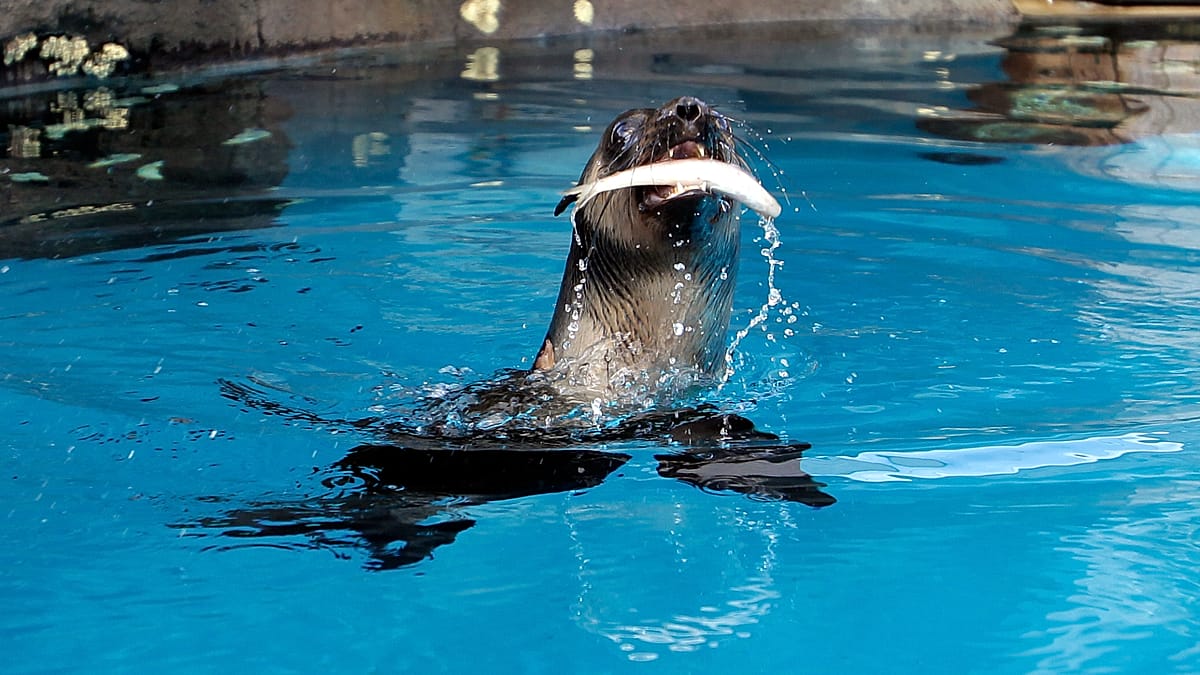
The seals and sea lions at Taronga are trained using positive reinforcement techniques. They are taught to swim to a listening station, place their heads on a padded rest, and respond to tones played through underwater speakers. When they hear a sound, they touch a target with their nose; when they do not, they remain still. Correct responses are rewarded with fish.
This method allows researchers to map the animals' hearing thresholds across different frequencies, from low-frequency sounds used by whales to the higher frequencies that seals rely on for communication. The data is then compared with known noise levels in Australian waters to assess potential risks.
"The animals are incredibly cooperative," said zookeeper Mia Chen. "They seem to enjoy the sessions, and it's amazing to see how quickly they learn. It's a win-win: they get enrichment and treats, and we get vital scientific data."
Why this matters beyond Australia
While the research is based in Australia, its implications are global. Marine noise pollution is a transboundary issue, and the findings could inform policy decisions in Europe and elsewhere. The European Union's Marine Strategy Framework Directive, for example, requires member states to monitor and reduce underwater noise, but effective measures depend on understanding how noise affects different species.
"This kind of research is crucial for setting evidence-based thresholds," said Dr. Elena Rossi, a marine biologist at the University of Trieste in Italy, who was not involved in the study. "If we know exactly what frequencies and intensities cause temporary or permanent hearing loss in seals, we can design shipping lanes and construction schedules that minimize harm."
The Taronga team hopes to expand the study to include wild populations, using temporary capture-and-release techniques to test hearing in free-ranging animals. They are also collaborating with researchers in the Netherlands and Norway, where similar studies are being conducted on harbor porpoises and other cetaceans.
As human activity in the oceans continues to increase, the need for such research becomes more urgent. The work at Taronga Zoo is a reminder that understanding the natural world often requires patience, creativity, and a willingness to listen—both to the animals and to the data.