Azerbaijan is taking a significant step toward self-sufficiency in aviation training with the opening of a sophisticated new centre at the National Aviation Academy in Baku. The facility aims to develop local expertise for pilots and air traffic controllers, aligning with global safety standards while reducing the country's reliance on foreign training providers.
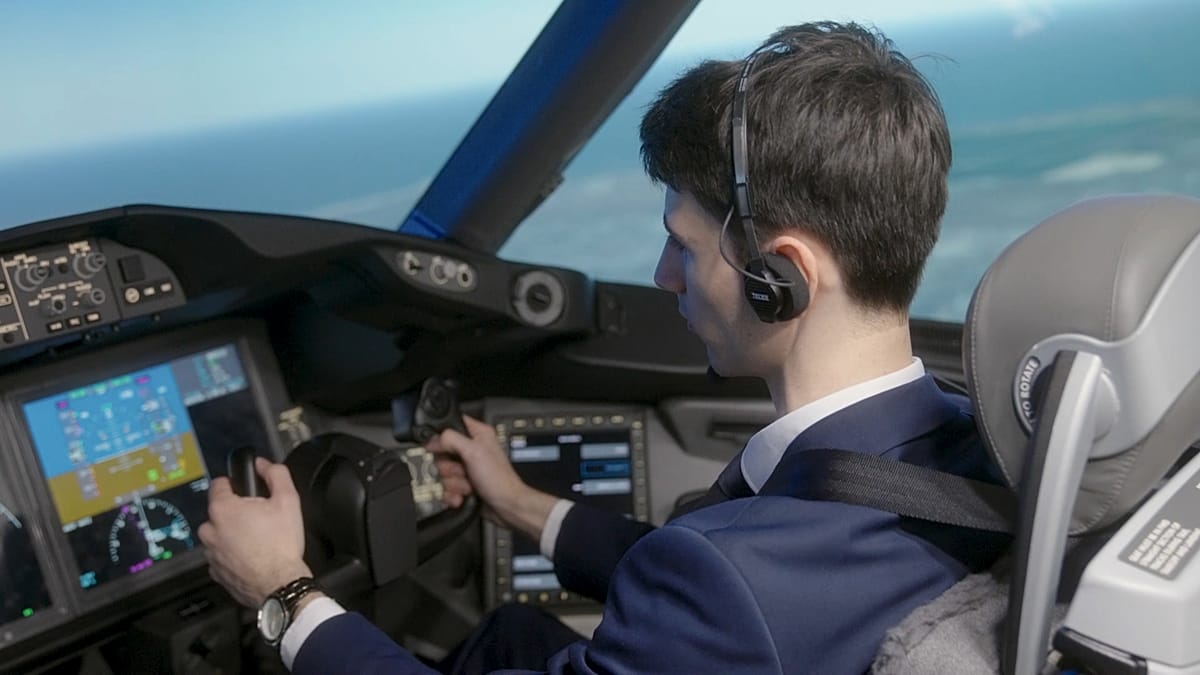
The centre is equipped with full-flight simulators that allow trainees to experience realistic scenarios in a controlled environment. Programmes combine theoretical instruction with hands-on practice, preparing students for complex operations in both domestic and international airspace. This approach mirrors best practices seen across European aviation hubs, such as those in Amsterdam Schiphol and Frankfurt.
Building a Regional Training Network
Through partnerships with dozens of countries, the academy supports a growing network of aviation professionals. This collaborative model helps standardise training across borders, a key concern for European regulators and airlines. As sustainable aviation fuel emerges as a strategic shield for European airlines, consistent training standards become even more critical for operational safety and efficiency.
The initiative is particularly relevant for the wider European region, including the UK, Switzerland, Norway, and the Balkans, where many airlines and training organisations seek to harmonise practices. By centralising instruction in Baku, Azerbaijan positions itself as a potential hub for aviation education in the Caucasus and beyond.
Local officials emphasise that the centre will help meet rising demand for qualified personnel as air travel recovers and expands. The International Civil Aviation Organization (ICAO) has long advocated for such regional training centres to address global shortages of pilots and controllers.
For European readers, this development underscores a broader trend: countries on Europe's periphery are investing in infrastructure to reduce dependency on Western European training schools. This shift could reshape the continent's aviation labour market, potentially lowering costs and increasing diversity in the workforce.
Critics, however, caution that quality assurance remains paramount. The centre must maintain rigorous oversight to ensure its graduates meet the same standards as those trained in established European programmes. The academy's partnerships with international bodies will be crucial in this regard.
As Germany and the UK lead Europe in data centre count, fuelling AI growth, similar investments in specialised training infrastructure are emerging across the continent. Azerbaijan's move reflects a strategic calculation: by building local capacity, it can better integrate into global aviation networks while safeguarding its own economic interests.
The centre also has implications for European travel. With more locally trained professionals, airlines serving Baku and other regional airports may benefit from improved safety records and operational reliability. This could make travel to and from the Caucasus more attractive for European tourists and business travellers.
In the long term, the success of this hub will depend on its ability to adapt to evolving technologies and regulatory frameworks. The European Union Aviation Safety Agency (EASA) sets high benchmarks, and any training centre aspiring to international recognition must keep pace.
For now, Azerbaijan's investment signals a clear ambition: to become a self-reliant player in aviation while contributing to the broader European ecosystem of safety and professionalism.