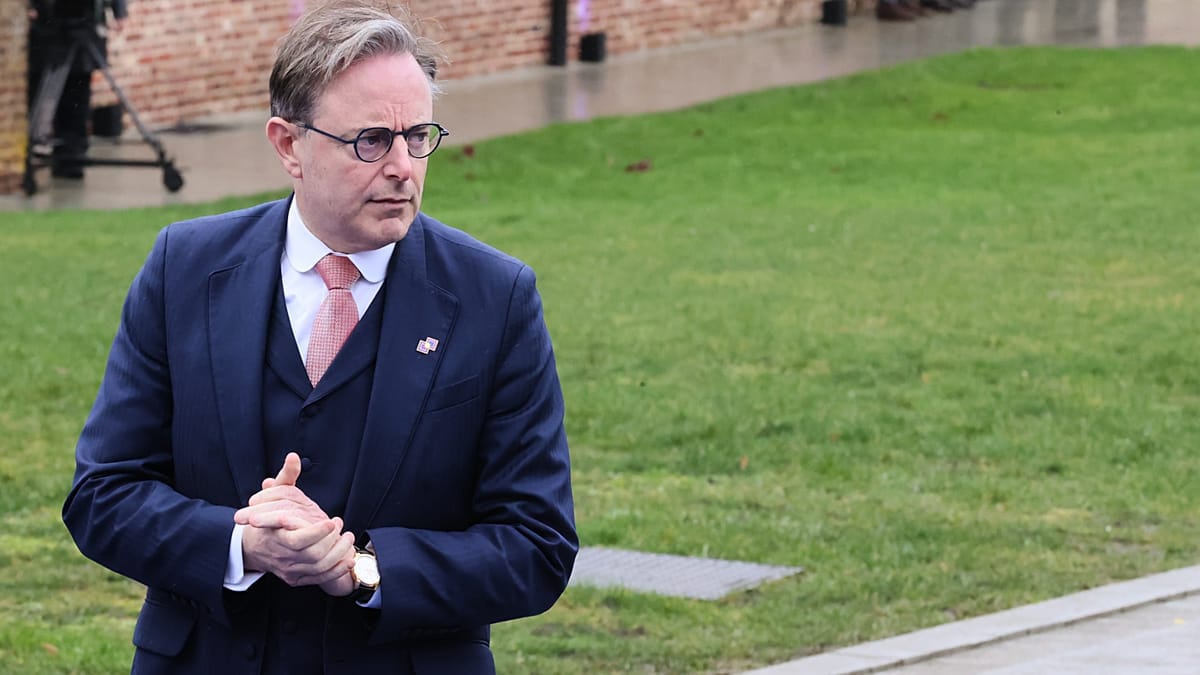
Belgium has taken a decisive step toward reclaiming its nuclear energy infrastructure, announcing a partnership with French utility Engie to study a full takeover of the country's nuclear power plant. The deal, unveiled Thursday by Prime Minister Bart De Wever, marks a dramatic reversal of a phase-out policy that had been in place since 2003.
The decision comes as Europe grapples with a renewed energy crisis. Disruptions in the Strait of Hormuz and ongoing uncertainty in the Middle East have driven Belgian electricity prices up by more than 50 percent, pushing the country's inflation rate to 4 percent in April. The crisis has exposed the vulnerabilities of relying on imported fossil fuels, prompting a rethink of energy strategy across the continent.
"This government opts for secure, affordable, and sustainable energy. With less dependence on fossil fuel imports and more control over our own supply," De Wever said on Thursday.
From Phase-Out to Renaissance
Belgium's original plan to shutter all seven of its nuclear reactors by 2025 was already derailed by Russia's 2022 invasion of Ukraine, which sent natural gas and electricity prices soaring. While the Greens had resisted repealing the 2003 law, the Belgian parliament voted to scrap it in May 2025, clearing the way for a nuclear revival.
The country operates seven reactors: four at Doel in East Flanders and three at Tihange in Wallonia. Only two—Doel 4 and Tihange 3—remain operational, with their licenses recently extended until 2035. The new agreement could see those lifespans extended further, as the government seeks to bolster energy security.
"With this, the Belgian government assumes responsibility for the country's long-term energy supply, with the aim of developing a financially and economically viable activity that supports security of supply, climate objectives, industrial resilience, and socio-economic prosperity," read a joint statement from the Belgian government and Engie.
The deal signed on Thursday aims to reach a final agreement on the takeover of the nuclear fleet by 1 October. However, the financial terms remain undisclosed, leaving open the question of how much Belgium will pay for this nuclear renaissance.
Strategic Autonomy in a Volatile World
Belgian Energy Minister Mathieu Bihet framed the move as a coherent political vision. "Less than a year after the law enabling the return of nuclear energy in Belgium came into force, this momentum is already materialising through our determination to regain control of our assets and capabilities," Bihet told Euronews.
The push for nuclear energy is not limited to Belgium. In 2024, under former Prime Minister Alexander De Croo, Belgium hosted a landmark nuclear summit that drew eleven EU countries to back a declaration boosting atomic power. Two years later, Paris hosted a follow-up summit, underscoring the growing momentum behind nuclear energy as a pillar of Europe's energy mix.
This trend is part of a broader European recalibration. The EU has accelerated both renewables and nuclear push after the Strait of Hormuz closure, while the EU has relaxed state aid rules to shield businesses from the Middle East-driven energy crisis. Belgium's move also echoes similar ambitions elsewhere: Czechia's nuclear ambition shows a small country betting big on atomic power.
The deal with Engie represents a high-stakes gamble for Belgium. By taking direct control of its nuclear assets, the government hopes to stabilize electricity prices, reduce reliance on imported gas, and strengthen its strategic autonomy. But the financial burden and technical challenges of restarting and maintaining aging reactors remain significant.
For now, Belgium is betting that nuclear energy can provide a reliable bridge to a more sustainable future—one that is less vulnerable to the geopolitical shocks that have repeatedly rattled European energy markets.