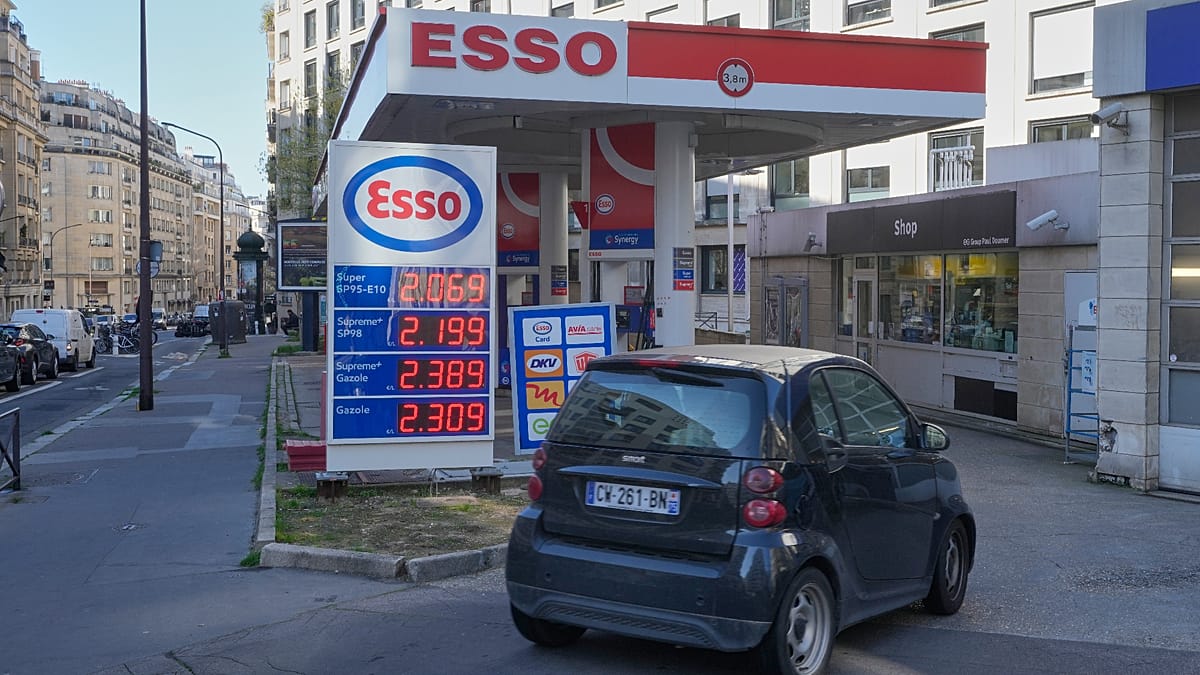
The European aviation sector, valued at $56 billion today and projected to exceed $100 billion by 2030, faces a dual challenge: achieving ambitious climate targets while navigating increasingly volatile energy markets. Recent geopolitical tensions have sent traditional jet fuel prices soaring, with costs doubling from $750 to $1,500 per tonne as oil surpassed $100 a barrel. This instability is accelerating the search for alternatives, with sustainable aviation fuel (SAF) emerging as a critical strategic solution.
From Waste to Wings: The Production Process
Unlike conventional jet fuel derived from fossil sources, SAF is produced from existing feedstocks like used cooking oil, animal fats, and fish oil. Hong Kong-based innovator EcoCeres, which partners with 350,000 restaurants across China including McDonald's and Subway, has developed proprietary technology to process these materials. The company boasts an 85% conversion yield from input to output, which it claims is the best in the world. The environmental benefit is substantial: SAF can reduce greenhouse gas emissions by up to 90% compared to traditional fuel.
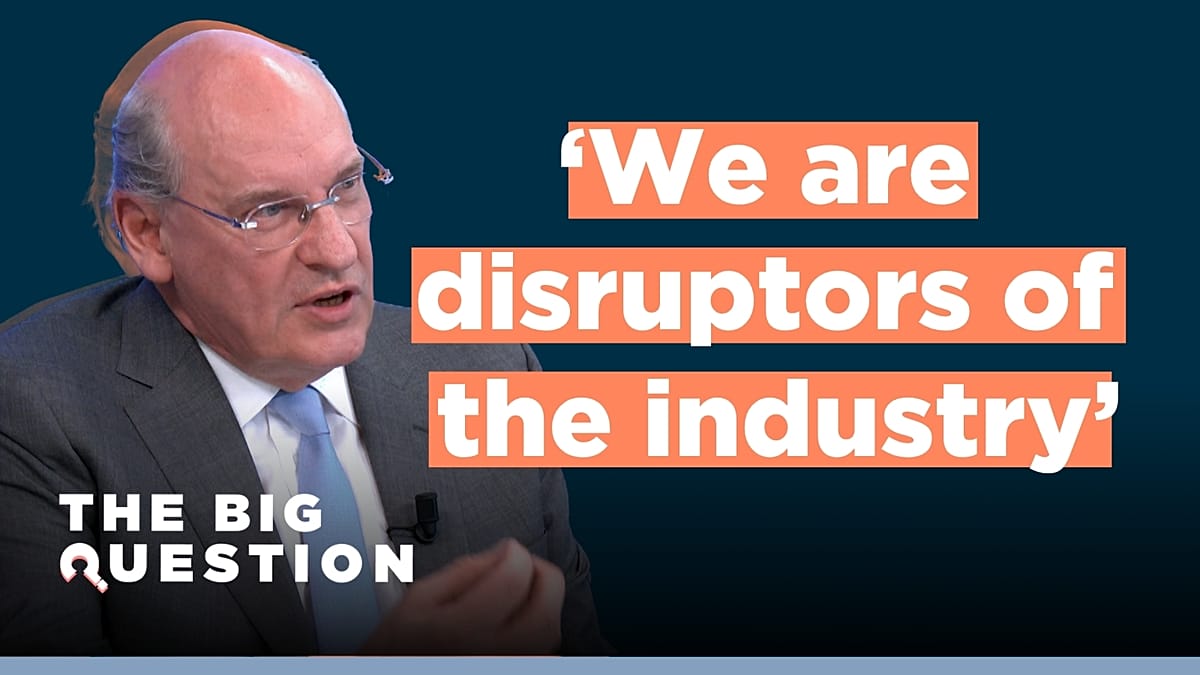
"We are disruptors of the industry," said EcoCeres CEO Matti Lievonen in a recent interview. Though still considering itself a startup, the company has rapidly become the world's second-largest SAF producer, with an annual output of approximately 770,000 tonnes. This volume could power tens of thousands of flights between Hong Kong and London, each requiring about 60 tonnes of fuel. With plans for third and fourth production plants, including potential European facilities, EcoCeres represents the scaling ambition of the sector.
The European Regulatory Push and Airline Adoption
European Union regulations are creating a guaranteed market for SAF. Current rules mandate a 2% blend in aviation fuel, increasing to 6% by 2030 and reaching 70% by 2050. Major European carriers including British Airways, Lufthansa, KLM, and Air France have already partnered with EcoCeres, with many voluntarily exceeding the minimum blend requirements ahead of schedule.
The economic case extends beyond environmental compliance. While SAF production costs remain higher than conventional fuel, its price stability offers strategic advantage. During recent energy market turmoil, traditional jet fuel prices doubled while SAF increased by only 30%. The price gap has narrowed significantly: previously 200-300% more expensive, SAF now costs approximately 150% of conventional fuel. This relative insulation from geopolitical shocks provides airlines with predictable budgeting, a crucial consideration as EU Energy Chief Warns of Prolonged Price Hikes from Middle East Conflict.
"I think that we should all, as individuals, take responsibility," Lievonen argued. "If I ask airlines 'What is your biggest risk?' They all say that it's climate change. It's not today, but when there is more hazardous weather, people are not travelling."
Passenger Costs and the Future of Low-Cost Travel
The transition to sustainable fuel inevitably raises questions about ticket prices. Lievonen estimates that a 10% SAF blend on a Hong Kong-London route adds approximately €42 to a passenger's fare. However, he emphasizes that regulatory requirements apply equally to all carriers, preserving existing competitive dynamics.
"So if they have another cost competitiveness, it will stay there, even if they need to add extra for sustainable aviation fuel," he explained. "It's not really killing them, but I don't know if it's wise that we are travelling so low cost? I don't know." This question touches on broader debates about consumption patterns and environmental responsibility across European societies.
The security of supply dimension adds another layer of strategic importance. Europe's dependence on external energy sources has been highlighted by recent conflicts, making domestic or stable-source alternatives increasingly valuable. As the continent works toward its 2050 carbon-neutral aviation goal, SAF represents both an environmental imperative and a geopolitical buffer.
The development of this industry occurs alongside other significant European shifts in energy and security policy. For instance, Hungary's New Government Scrutinises Orbán-Era Defence Plan for Corruption Risks, highlighting how energy security and national security are increasingly intertwined. Similarly, the broader European response to global instability continues to evolve, as seen when the Vienna Court Clears Former Austrian Diplomat in Case Involving Novichok Document.
For European aviation, the path forward involves balancing growth with sustainability, and affordability with resilience. Sustainable aviation fuel, while not a complete solution, offers a tangible bridge between these competing demands. As production scales and costs continue to converge with conventional fuel, SAF's role in powering Europe's connectivity while protecting it from external shocks will only expand.