The latest controversy surrounding Bad Bunny's Debí tirar más fotos tour has focused on the 'Casita' segment, where public figures dance on stage. Critics like Paula Fraga accuse the performance of objectifying women, while journalists such as Ana Requena and Alejandra Martínez defend it as a challenge to feminist contradictions and the lingering stigma around reggaeton. Yet beneath the ideological debate lies a deeper story: the physical 'Casita' itself is a deliberate nod to Puerto Rican history and resistance.
Humacao: A Town Forged in Resistance
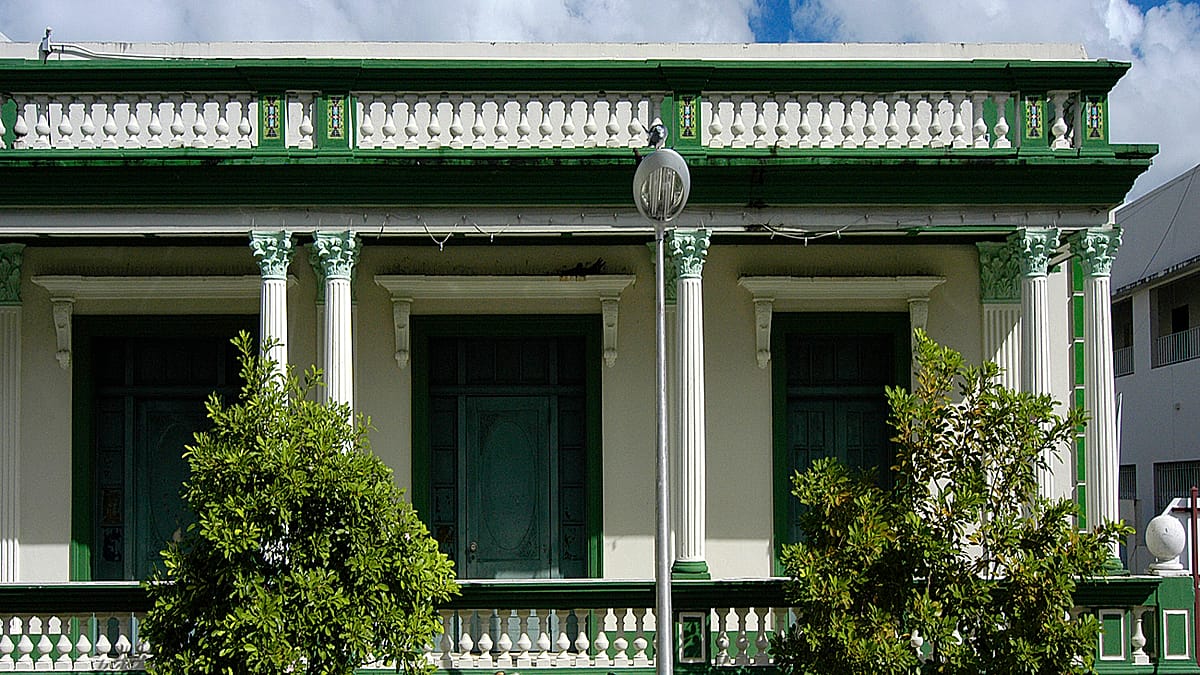
The 'Casita' is modeled after a real house in Humacao, a town on Puerto Rico's eastern coast. Founded in 1722 on the ruins of Macao by Canary Island settlers and Jíbaro Taínos, Humacao takes its name from Jumacao, one of the last Indigenous leaders to fight Spanish colonization. His descendants continued this combative tradition, protesting land redistribution when the Canary Islanders arrived. The town's architecture, shaped by the Laws of the Indies grid, initially used local materials like thatch and timber due to its isolation until the 18th century.
From the 19th century, the sugar trade boom—built on enslaved African labor—introduced European Neoclassical elements such as masonry. Public buildings like the town hall, prison, barracks, and cemetery adopted this style. After the Spanish-American War in 1898, Humacao passed from Spanish to US control, altering the island's status as an unincorporated territory where residents cannot vote in US presidential elections or have voting representation in Congress.
Architectural Fusion and Cultural Identity
Designer Mayna Magruder Ortiz drew inspiration from Humacao's blend of Taíno, Spanish, African, and US influences. The 'Casita' specifically mimics a home in Levittown, Toa Baja—a 1950s housing estate built for US expatriates, itself a fusion of 19th-century heritage. The interior features works by Boricua artists like Lorenzo Homar, co-founder of the Puerto Rican Art Centre, and muralist Alexis Díaz. This layering of styles mirrors Puerto Rico's complex colonial history, from Indigenous Taíno roots to Spanish rule and US control.
Bad Bunny's activism extends beyond the stage. His album Debí tirar más fotos addresses Puerto Rico's political status, and he has publicly supported independence activists imprisoned for campaigning. The tour, which continues across Europe until mid-July, brings these issues to international audiences. In Lisbon, for instance, the concert became a celebration of Puerto Rican culture and resistance, as reported by European Pulse.
The 'Casita' controversy, then, is not just about feminism or reggaeton's reputation. It is a reminder of how art can encode history and politics. As Bad Bunny follows in the anti-colonial tradition of Puerto Rican artists like Residente and iLe, his tour becomes a platform for a people still grappling with colonial legacies. For European audiences, the story resonates with ongoing debates about identity, migration, and sovereignty across the continent—from the Balkans to the Baltics.