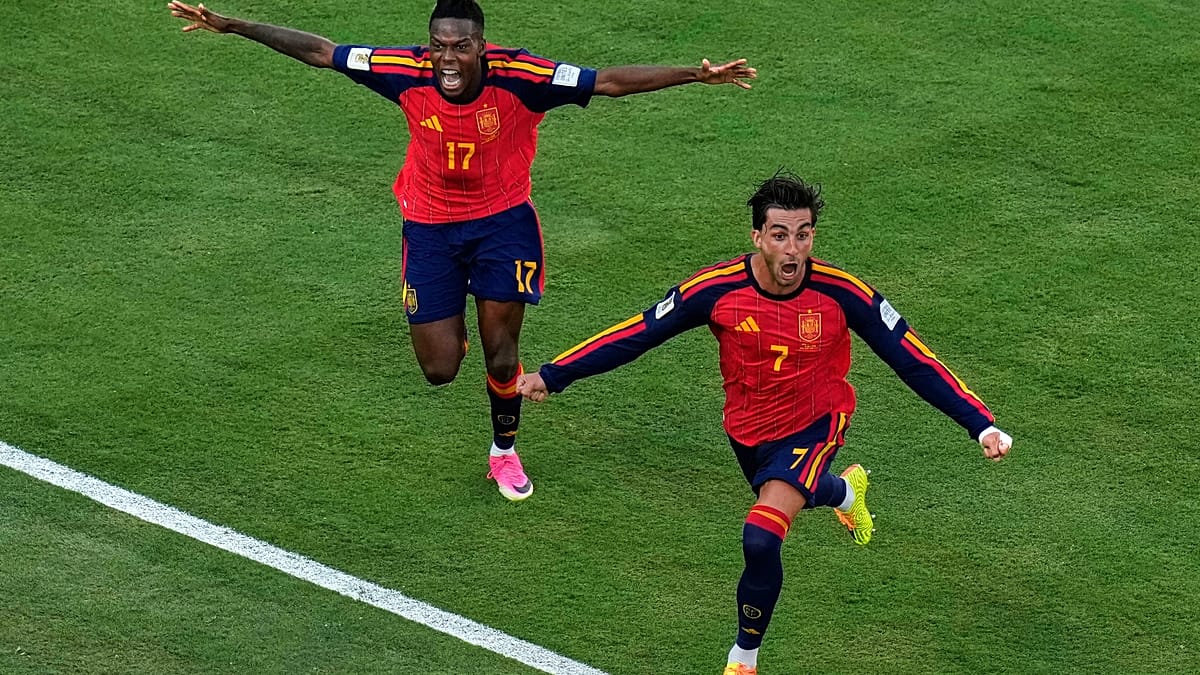
Spain's second World Cup title has not only cemented the national team's sporting legacy but also shattered global audience records, reflecting a carefully orchestrated digital strategy by the Royal Spanish Football Federation (RFEF). Since the squad announcement in late May, the team's social media presence has surged, with the @sefutbol accounts gaining 6.7 million new followers—a 31% increase in just two months.
Digital Strategy and Viral Moments
The RFEF adopted a constant communication model, producing exclusive content tailored for platforms like Instagram and TikTok. This approach highlighted the team's human side, from behind-the-scenes vlogs to emotional tributes. Posts such as the homage to Chattanooga and images of New York awash in red before the final went viral, amplifying Spain's global footprint. The federation's podcast La estrella que nos une and a World Cup vlog series further deepened fan engagement, while post-match interviews and title celebrations amassed over 25 million plays on Instagram alone.
Overall, RFEF content generated 2.7 billion views on Instagram and more than 93 million interactions. TikTok proved the fastest-growing platform, gaining 3.5 million new followers and a 470% increase in views. The federation's combined social media profiles now reach 34.3 million followers, a testament to the effectiveness of daily tournament coverage and new content formats.
Media Operation and Economic Impact
Between 25 May and 21 July, the RFEF's activities generated 11.5 million media mentions, with an estimated advertising value equivalent (AVE) of €643 million and 41.4 billion opportunities to view. The federation orchestrated a massive media operation, arranging 215 one-to-one interviews, 245 flash interviews, 34 press conferences, and dozens of player appearances in mixed zones. This effort accommodated over 215 accredited journalists during the tournament's final stages, ensuring comprehensive coverage.
The victory has also sparked a surge in international interest, particularly from China, where flight searches to Spain increased 33-fold, as reported in related coverage. This tourism boost aligns with broader trends: a recent survey found that 90% of Europeans are open to living abroad, with Spain topping the wishlist.
Upcoming Docuseries
In December, the RFEF and Prime Video will release a four-part docuseries chronicling the team's historic run. Featuring never-before-seen footage and exclusive interviews, the series will reveal the story behind the triumph and will be available in more than 200 countries. The national team announced the project on X, stating: “The @rfef and @PrimeVideo will release a docuseries about the triumph at the #FIFAWorldCup. It will be available in December and will consist of four episodes.”
The revamp of the national team's visual identity also played a key role, with high-performing posts like Campeones del Mundo (316 million views), A la final (137 million), and the trophy lift image (81 million). These numbers underscore how Spain's World Cup win has transcended sport, reinforcing the country's cultural and economic ties with global audiences.