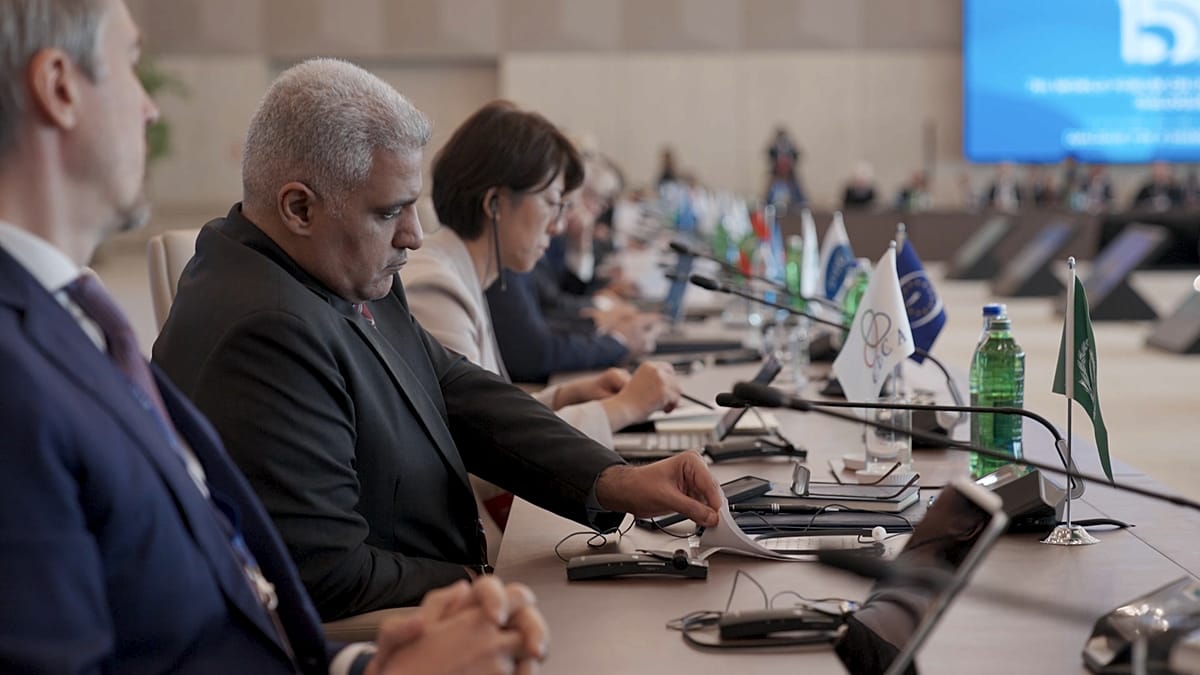
When political channels stall, culture often keeps the conversation alive. That was the underlying theme at the 7th World Forum on Intercultural Dialogue, held in Baku, where delegates from across Europe and beyond examined how artistic expression and religious traditions can soften borders that politics cannot.
The forum, which has become a regular fixture in Azerbaijan's capital, brought together cultural figures, clerics, and international representatives. Their task: to explore how shared experiences—a painting, a piece of music, a ritual—can open doors that formal diplomacy leaves closed.
Art as a bridge, not a barrier
One of the central threads was the power of the arts to challenge stereotypes. Speakers argued that a film, a novel, or a dance performance can humanize the 'other' in ways that policy papers rarely achieve. When audiences encounter a culture through its creative output, they are more likely to question preconceptions and engage with nuance.
Interfaith understanding also took center stage. Religious leaders from different traditions shared platforms, emphasizing that respect for diverse beliefs is not a concession but a foundation for peaceful coexistence. The discussions underscored that faith, often perceived as a dividing line, can also be a source of common values—dignity, compassion, and solidarity.
Personal encounters were highlighted as transformative. A single conversation, delegates noted, can shift a perspective more effectively than years of rhetoric. The forum's format encouraged such exchanges, with informal sessions and cultural performances designed to foster genuine dialogue.
Azerbaijan's position at the crossroads of Europe and Asia gave the event a particular resonance. The country has long served as a meeting point for different civilizations, and Baku's architecture—from the medieval Old City to the futuristic Flame Towers—reflects that layered identity. This backdrop reinforced the message that dialogue is not an abstract ideal but a lived practice.
The forum also touched on the role of digital platforms in spreading cultural understanding. In an era of algorithmic echo chambers, participants noted, deliberate efforts to share diverse cultural content can counter polarization. However, they cautioned that technology alone cannot replace the empathy that comes from direct human interaction.
While the event was not explicitly political, it carried political implications. In a region where tensions over Nagorno-Karabakh and other disputes remain unresolved, cultural diplomacy offers an alternative track. The forum's organizers framed it as a complement to official negotiations, a space where trust can be built away from the negotiating table.
European participants drew parallels with broader continental challenges. From migration to the rise of nationalist populism, Europe faces its own tests of intercultural cohesion. The Baku discussions offered lessons that resonate from Berlin to Brussels, particularly the idea that culture can be a tool for integration, not just a marker of difference.
As the forum concluded, delegates left with a shared conviction: that the work of peace is not confined to summit rooms. It happens in theaters, galleries, and places of worship. It happens whenever people choose to listen rather than shout. In a world of fractured politics, that choice is more urgent than ever.