Barcelona is moving to significantly increase the financial burden on cruise ship passengers who spend only a few hours in the city. The municipal government has proposed raising the tourist tax from its current level to €30 per day for passengers whose ships dock for less than 12 hours. The hike would nearly triple the existing fee, which currently stands at around €11 per person.
Targeting Day-Trippers
The proposed tax specifically targets short-stay cruise visitors—those who disembark for a few hours of sightseeing before reboarding. According to city officials, these passengers generate limited economic benefit for local businesses while adding to overcrowding in popular districts such as the Gothic Quarter and La Rambla. The measure is part of a broader strategy to manage the surge in tourism that has reshaped Barcelona's urban landscape over the past decade.
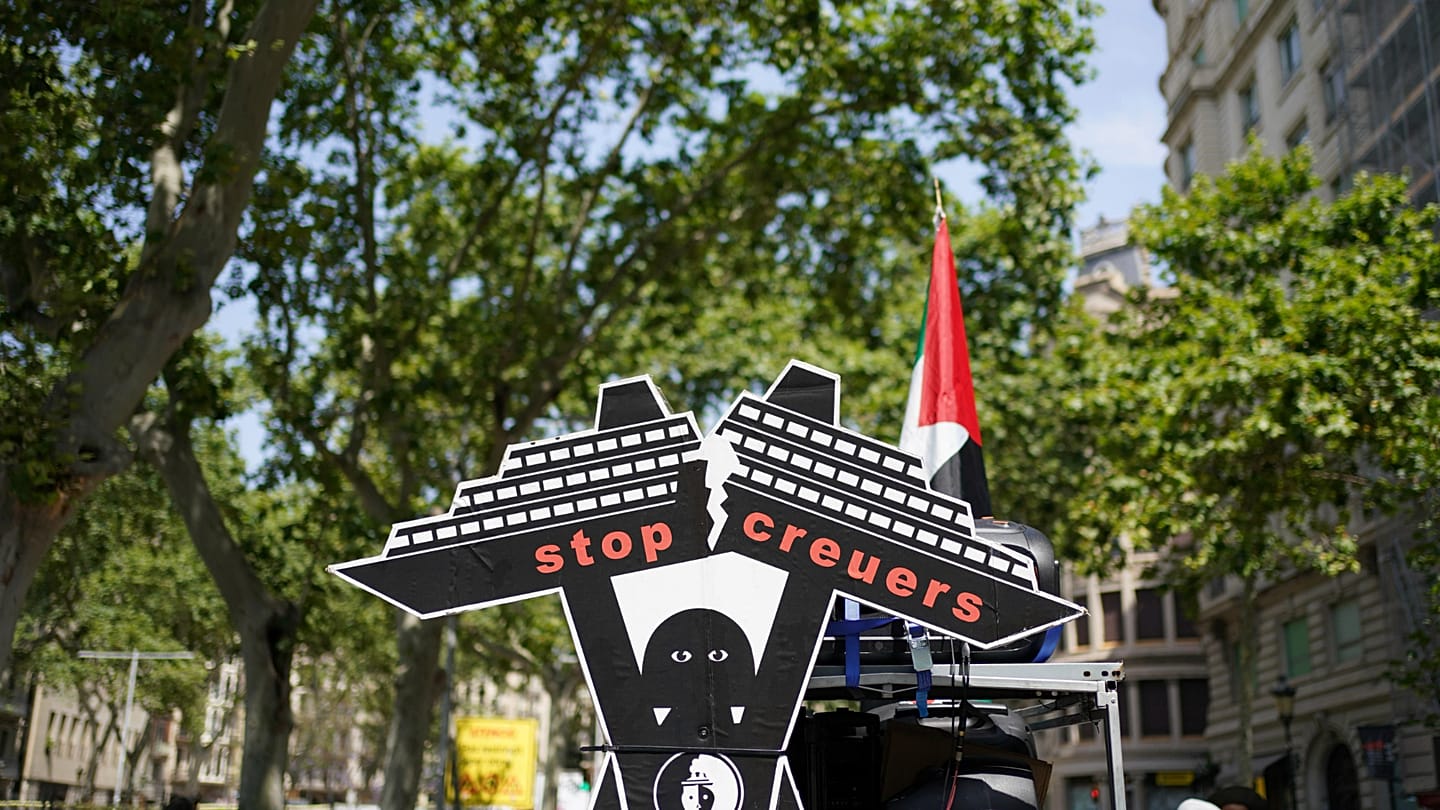
Barcelona has long grappled with the effects of mass tourism. The city welcomed over 30 million visitors in 2023, with cruise ships accounting for a growing share. Local residents have protested against the influx, citing rising housing costs, noise, and the transformation of historic neighborhoods into tourist corridors. The new tax aims to discourage short, low-impact visits and encourage longer stays that benefit the local economy more directly.
Environmental and Infrastructure Concerns
Cruise ships are also a major source of air and noise pollution in the port area. Environmental groups have repeatedly called for stricter regulations, pointing to emissions from vessels that often run their engines while docked. The proposed tax aligns with similar measures in other European port cities, such as Venice, which has introduced a day-tripper fee to manage visitor numbers. Barcelona's move could set a precedent for other Mediterranean destinations facing comparable pressures.
The city's port authority has not yet commented on the proposal, but the cruise industry is likely to resist the increase. Industry representatives argue that higher taxes could drive ships to alternative ports, reducing Barcelona's competitiveness as a homeport. However, city officials counter that the long-term costs of overtourism—including infrastructure wear, environmental degradation, and resident dissatisfaction—outweigh the short-term gains from cruise traffic.
Broader Context of Overtourism in Europe
Barcelona is not alone in seeking to regulate tourist flows. Across Europe, cities from Amsterdam to Dubrovnik have implemented measures to cap visitor numbers or impose levies on short-term stays. The European Union has also explored policy frameworks to help member states manage tourism sustainably. The proposed tax in Barcelona reflects a growing recognition that unchecked tourism can erode the quality of life for residents and the authenticity of cultural heritage sites.
If approved, the tax would apply to all cruise passengers on ships that make port calls of less than 12 hours. Longer stays or overnight dockings would be subject to a lower rate. The city council is expected to debate the proposal in the coming months, with implementation possible by 2025. Similar debates are underway in other Spanish cities, including Palma de Mallorca and Málaga, which have also seen a sharp rise in cruise arrivals.
For travelers, the change means that a day trip to Barcelona via cruise could become significantly more expensive. The city remains one of Europe's most popular destinations, but the message from local authorities is clear: short, high-volume visits come at a cost that must be shared more equitably.