Foreign visitors to Portugal are opening their wallets less per purchase, even as overall spending continues to climb. New data from Turismo de Portugal, based on SIBS payment statistics and reported by Jornal de Negócios, shows the average value of a foreign card transaction dropped to €35.70 in the first half of 2026—the lowest level since 2019.
Despite the shrinking average, the total volume of purchases made with foreign cards rose 6% year-on-year, surpassing €3.7 billion in the first six months. That divergence points to a shift in how tourists spend: more transactions, but each one smaller.
Retail, restaurants, and accommodation lead
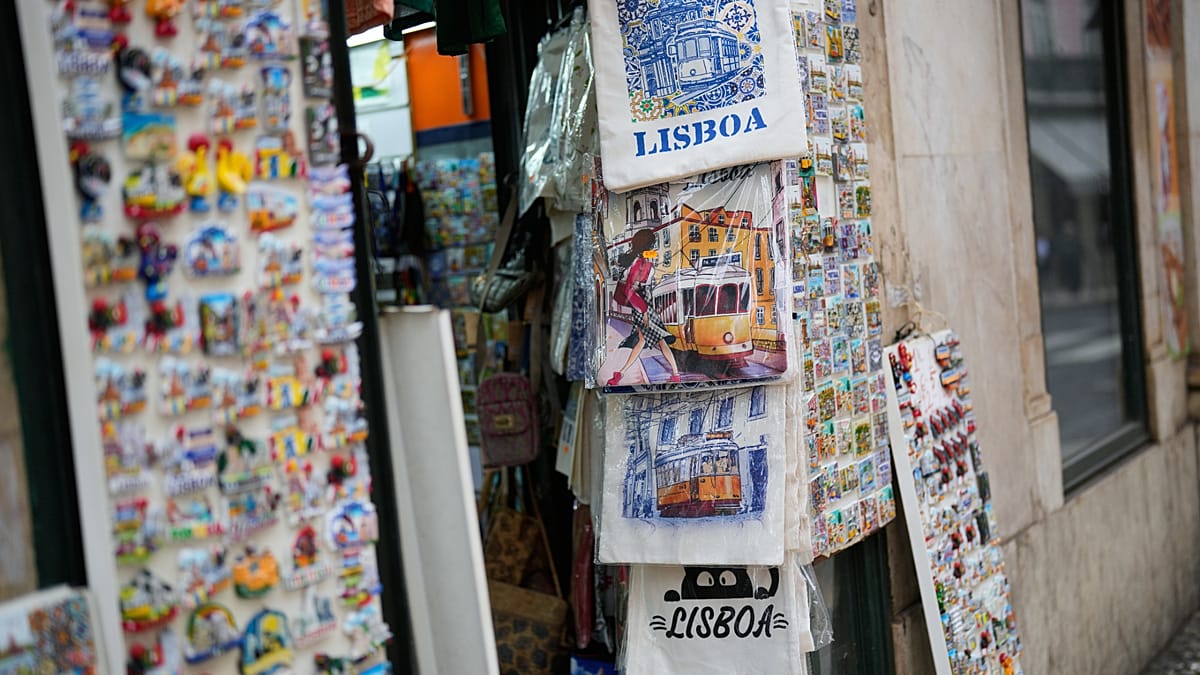
Retail remains the biggest draw, accounting for roughly €1.4 billion of foreign expenditure. Restaurants followed with over €1 billion, while accommodation registered around €735 million in electronic payments. These three sectors together absorb the bulk of tourist spending, reflecting Portugal's appeal as a destination for shopping, dining, and short stays.
Geographically, spending is heavily concentrated. Greater Lisbon captured 35.7% of all foreign purchases, and the Algarve 21.6%. Northern Portugal, by contrast, accounted for just 1.9%—a reminder that tourism's economic benefits remain unevenly distributed across the country.
British and American visitors lead the pack
British tourists are the most active spenders, carrying out 16 million electronic transactions worth €518 million. Americans rank second in total spending, though their transaction volume is far lower—just 2.4 million euros in associated expenditure. That gap highlights different consumption patterns: Britons buy more frequently, while North Americans tend to spend more per transaction, averaging €45 each.
The trend of falling average transaction values may reflect broader changes in tourist behaviour, including a rise in budget-conscious travellers and a shift towards smaller, more frequent purchases. It also raises questions about the long-term value of tourism for local businesses, even as visitor numbers and overall spending grow.
Portugal's tourism sector has been a key driver of economic recovery, but the new data suggests that volume alone may not guarantee higher revenues per visitor. As the country continues to attract record numbers of tourists, policymakers and businesses will need to consider how to encourage higher-value spending, particularly outside the traditional hotspots.
For now, the Algarve remains a magnet for British holidaymakers, while Lisbon's urban appeal draws a diverse international crowd. The challenge ahead is to spread the benefits more evenly and to ensure that tourism growth translates into sustainable income for local communities.