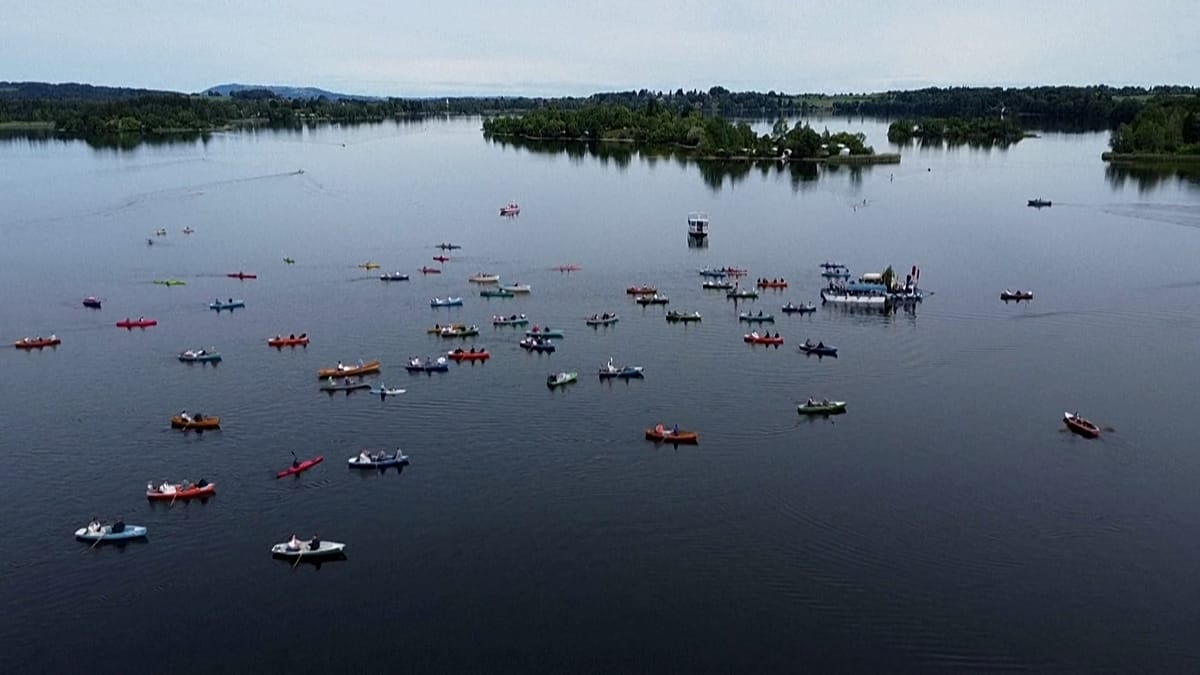
On 4 June, hundreds of worshippers gathered in the Bavarian town of Seehausen to take part in a boat procession on Lake Staffelsee, a centuries-old tradition marking the Catholic feast of Corpus Christi. The event, known locally as the Seeprozession, sees participants decorate boats with flowers, banners, and religious icons before rowing across the lake in a solemn flotilla.
A Living Tradition in Upper Bavaria
The procession, which has been held for over 300 years, is one of the most distinctive expressions of popular piety in the region. It begins with a mass at the shore, followed by the blessing of the boats and a slow, prayerful crossing to a small island chapel. This year, the weather was clear and warm, drawing both locals and tourists to the lakeside.
Corpus Christi, or Fronleichnam in German, is a public holiday in several German states, including Bavaria. While many towns hold street processions, the boat version in Seehausen is unique for its setting on the Alpine foothills lake. The tradition is maintained by the local parish and supported by the municipality of Seehausen am Staffelsee.
Germany's cultural calendar is full of such regional observances, but the country also faces broader challenges. As Germany rejects EU demands to end internal border checks, the contrast between local traditions and national policy debates highlights the complexity of modern European identity.
The Seehausen procession is not merely a religious event; it is a social anchor for the community. Families prepare their boats days in advance, and the event serves as a reunion for former residents. The chapel on the island, dedicated to Saint John of Nepomuk, is only accessible by boat, making the procession the primary occasion for its annual visitation.
Similar boat processions occur in other parts of Europe, such as on Lake Constance and in parts of Austria and Italy. However, the Seehausen version is particularly well-preserved, with no motorboats allowed during the ceremony. The use of traditional wooden rowboats adds to the authenticity and visual appeal.
For visitors, the event offers a glimpse into rural Bavarian culture that remains largely untouched by mass tourism. The nearby town of Murnau, known for its association with the Der Blaue Reiter art movement, provides additional cultural context. The region's lakes and mountains make it a popular destination for hiking and water sports, but the procession offers a quieter, more reflective experience.
As Europe grapples with questions of secularism and religious freedom, such traditions underscore the enduring role of faith in public life. While Germany's political landscape shifts, with record naturalizations reshaping demographics, the preservation of local customs like the Seehausen boat procession demonstrates a continuity that many communities value.
The event also highlights the importance of small-scale cultural tourism. Unlike major festivals such as Oktoberfest, the Seehausen procession draws a modest but dedicated crowd, contributing to the local economy without overwhelming the infrastructure. Hotels and restaurants in the area report full bookings for the weekend.
In an era of rapid change, the Seehausen boat procession stands as a testament to the power of tradition. It reminds us that Europe's cultural richness lies not only in its grand monuments but also in the quiet, persistent rituals that bind communities together.