Beijing has sharply criticised the British government’s decision to nationalise British Steel, warning that the move damages the confidence of Chinese companies investing in the United Kingdom. In a statement released on Friday, China’s Ministry of Commerce said it “firmly opposes and is strongly dissatisfied” with the takeover, which was announced by the UK government on Thursday.
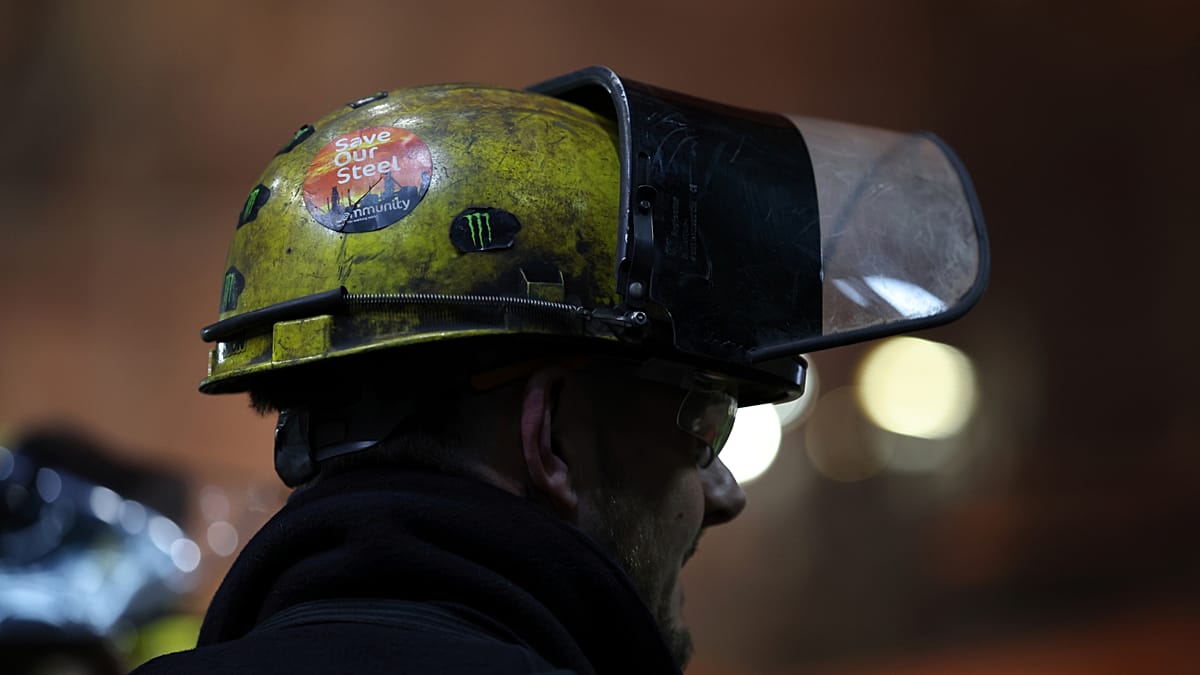
The UK government passed legislation to take operational control of British Steel’s facilities in Scunthorpe, Lincolnshire, after the Chinese-owned company Jingye Group moved to close the plant’s blast furnaces. Jingye had owned the loss-making steelmaker since 2020 and says it invested more than £1.2 billion (€1.4 billion) to keep it running. The furnaces at Scunthorpe are the last in the UK capable of producing “virgin steel” from raw materials, a capability the government deems vital for national infrastructure and defence projects.
Diplomatic Tensions Over National Security Claims
China’s Ministry of Commerce accused the UK of using national security as a pretext to justify the nationalisation. “British Steel had been incurring losses for years before its acquisition by Jingye. Following the acquisition, Jingye injected substantial capital into the company, thereby sustaining its operations and preserving jobs,” the ministry said in a statement. It added that London had disregarded Jingye’s contributions to the British economy and society.
The ministry urged the UK to “abide by relevant international rules, earnestly fulfil its obligations under the China-UK investment protection agreement, treat Chinese-funded enterprises in the UK fairly and impartially, and fully safeguard their legitimate rights and interests.” It warned that Beijing would “take resolute measures to firmly safeguard the interests of Chinese enterprises” and would support any legal action taken by Jingye.
The dispute comes amid broader tensions between Europe and China over trade and investment. Earlier this year, EU ministers labelled China a “critical long-term strategic challenge”, and Brussels has signalled it may impose unilateral trade measures against Beijing before an October deadline. The UK’s move could further complicate the investment climate for Chinese firms operating in Europe.
UK Government Defends Nationalisation as a Safeguard for Jobs and Industry
UK Business Secretary Peter Kyle defended the decision, saying it would save thousands of jobs and protect the national interest. “British Steel now belongs to the British people, and our focus is on the future: stabilising the business, backing the communities that rely on it and building a sustainable, competitive and decarbonised steel sector for the years ahead,” Kyle said in a statement. The UK Department for Business and Trade confirmed that an independent evaluation would determine whether Jingye receives compensation.
British Steel and its predecessors have operated in Scunthorpe for more than 130 years, a legacy tied to the UK’s role in the Industrial Revolution. The plant currently employs around 2,700 people, and the government says the takeover will secure their jobs while ensuring domestic steel production for major construction projects and the defence industry.
However, the nationalisation has raised questions about the future of foreign investment in the UK’s strategic industries. Some analysts note that the move could deter other Chinese firms from investing in British assets, particularly in sectors deemed sensitive. The broader context includes China’s slowing economic growth, which has put pressure on Beijing to protect its overseas investments.
For now, the UK government is focused on stabilising British Steel and exploring options for decarbonisation, a priority for the steel industry across Europe. The episode underscores the delicate balance between national sovereignty and international investment, a theme that resonates from London to Brussels.