As summer approaches, Europe's diverse landscapes offer hikers a wealth of options beyond crowded city breaks. From the jagged peaks of Poland's Tatra Mountains to the volcanic terrain of central France, the continent's trails cater to all levels of experience. AllTrails, the hiking discovery platform, has released its picks for the best trail destinations in 2026, highlighting routes that combine natural beauty with cultural and historical significance.
Poland's 'Mini Alps'
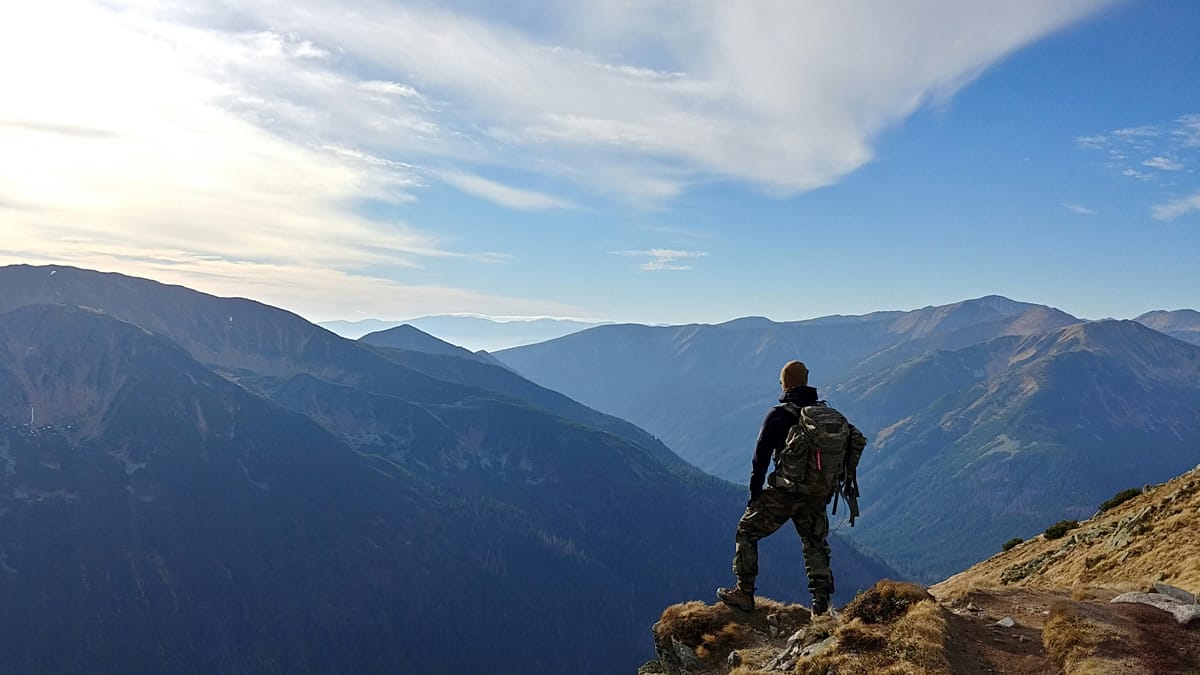
The Tatra Mountains, part of the Carpathian chain straddling Poland and Slovakia, are often called the 'mini Alps' for their dramatic peaks and alpine lakes. Most trails here are rated moderate to hard, requiring proper gear and preparation. The Kuźnice–Kościelec route is a favorite, taking hikers through dense spruce forests, dwarf pines, and finally into a rugged alpine environment. Another standout is the Palenica Białczańska–Morskie Oko–Czarny Staw pod Rysami trail, which offers views of Morskie Oko lake and the Wodogrzmoty Mickiewicza Waterfall. This route takes roughly six and a half to seven and a half hours to complete. For those seeking moderate options, AllTrails recommends the Kasprowy Wierch–Hala Gąsienicowa–Kuźnice and the Kościeliska Valley–Mroźna Cave–Smreczyński Staw trails.
Slovenia's Julian Alps: Quieter Trails
To avoid the crowds that plague popular hiking destinations, consider the Julian Alps, which border Slovenia, Italy, and Austria. This region remains relatively overlooked, offering serene scenery and quieter paths. The Slemenova Špica route allows hikers to experience high mountains without technical climbing, though sturdy footwear is essential for rocky sections. In summer, alpine wildflowers like hairy alpenrose bloom along the trail. For film enthusiasts, the Alpe Adria Trail's Segment 25 from Bovec to Drežnica (Kobarid) passes through the Bovec Valley, which served as a backdrop for Disney's Prince Caspian. The trail follows the emerald-green Soča River, where canoeists and rafters navigate around Mount Polovnik. Other recommended routes include the Nohinj Lake Trail and the Mostnica Gorge–Mostnica Waterfall via Stara Fuzina.
France: Hiking and Hot Springs
In France, the Auvergne region offers a unique combination of challenging hikes and relaxation. After tackling the steep climbs of The Sancy Ridges route, which loops around Puy de Sancy—the highest peak in the Monts Dore volcanic massif—hikers can unwind in the hot springs of Chaudes-Aigues. The trail includes glacial valleys of Chaudefour and Chastreix-Sancy. For more volcanic landscapes, the Mont Dore Ski Resort–Puy de Sancy route passes through the Auvergne Volcanoes Regional Nature Park, featuring waterfalls and valleys like Val de Couurre. AllTrails also suggests the GR 70 Segment 10 from Le Pont-de-Montvert to Florac, a nine-hour trek, and the shorter Corniches of Méjan and Tarn, which takes about three hours.
England's Castle Coast
Northumberland in northeast England boasts over 70 castles, more than any other county in the country. Hiking along its coastline offers a journey through history. The Simonside and Dove Crag Loop provides moorland scenery and craggy peaks, though caution is advised on rough sections during wet weather. The shorter Crag Lough and Hadrian's Wall Circular, about two hours long, passes the UNESCO-listed Hadrian's Wall and Roman Milcastle 39, also known as Castle Nick. This site has undergone excavations to uncover insights into Roman life along the wall.
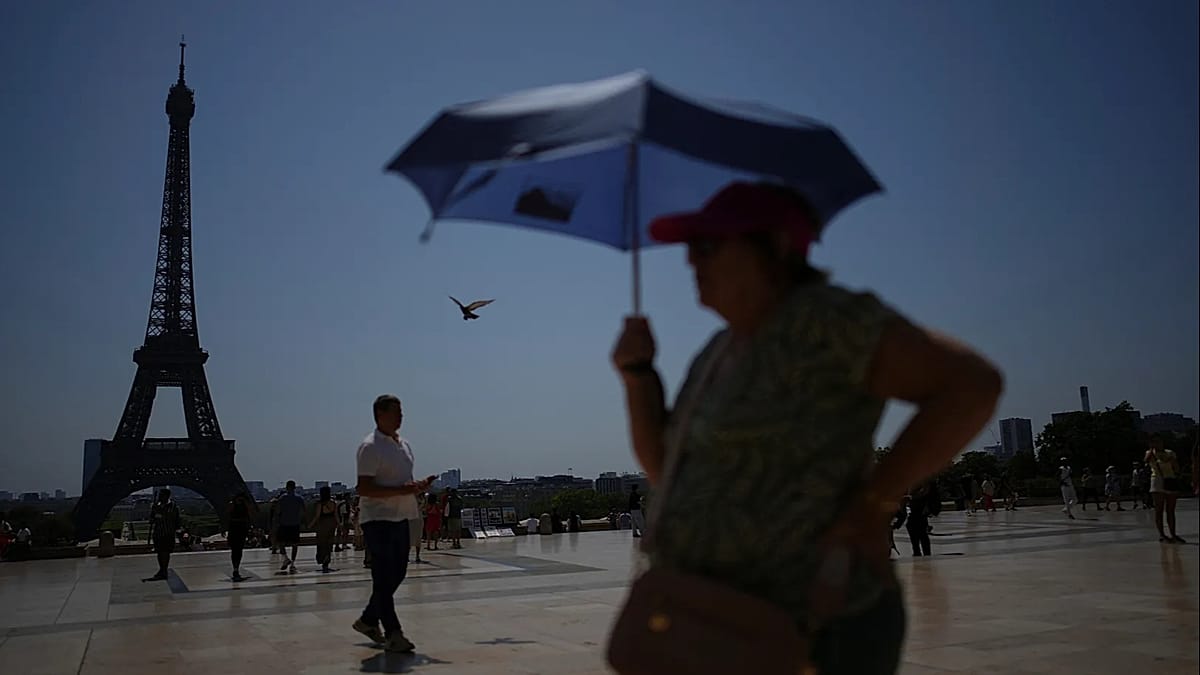
For those planning summer hikes, it's worth noting that some regions may experience above-average temperatures, as recent reports indicate. Record May heat across Europe signals a summer of extremes, so hikers should prepare accordingly. Additionally, travelers heading to southern Europe might encounter busy airports; Portugal is deploying 340 extra PSP officers at airports to ease summer queues. Whether you choose the Polish Tatras, Slovenian Alps, French volcanoes, or English castles, Europe's trails offer something for every hiker this summer.