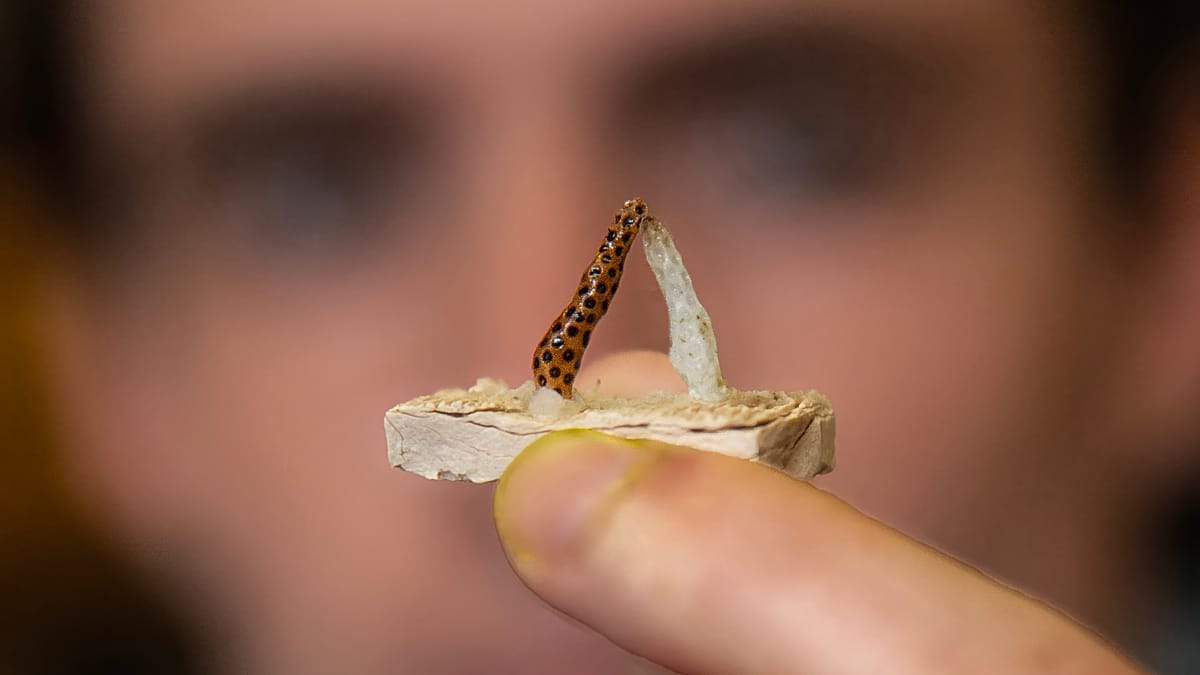
Marine biologists at Stanford University have discovered that bleached corals can recover in record time when placed in direct contact with healthy neighbours. The finding, published in Science Advances, offers a potential new tool for reef restoration as climate change intensifies bleaching events worldwide.
When ocean temperatures rise, corals expel the symbiotic algae that provide them with energy, turning white and becoming vulnerable to starvation. Recovery can take months or years, and many corals die. But the Stanford team found that a brief encounter with a healthy coral can dramatically speed up the process.
Accidental discovery leads to promising results
The breakthrough came by chance in 2025, when Steve Palumbi, a marine biologist at Stanford's Doerr School of Sustainability, noticed that a bleached coral fragment in a lab tank had regained colour where it touched a healthy piece. Intrigued, his team set up a controlled experiment with ten pairs of coral fragments from the same colony. Five pairs were placed in direct contact; the others were kept a few millimetres apart.
Within seven weeks, all five bleached fragments that had touched healthy clones had fully recovered. The separated fragments died. Under a microscope, the researchers saw that the corals had fused, creating tiny channels through which algae and nutrients could pass. Within three days, beneficial algae began moving from the healthy to the bleached corals, and after about a week, some had received enough to recover on their own.
“While bleached corals may be dying, they are not dead yet,” said lead author Danny Collins, a PhD student at Stanford. “The question we wanted to answer is, once a coral has bleached, what can we do?”
Once inside the damaged corals, the algae multiplied rapidly. “They flood in and start dividing at the fastest rates seen in corals,” said Palumbi. During the second week, the algae doubled every four days—about ten times faster than in wild corals—allowing the damaged corals to continue recovering even after separation.
Fiorenza Micheli, a Stanford professor and one of Collins's advisors, noted that “bleached corals are often considered a lost cause because recovery after a heatwave is very slow, if it happens at all.” The new results challenge that assumption, at least in the lab.
Limitations and next steps
The technique is not yet ready for wide-scale ocean application. For the corals to fuse, they must be genetically identical—meaning each damaged coral would need a healthy clone of itself, which is impractical for entire reefs. The researchers are now exploring ways to deliver the beneficial algae without direct contact or identical twins.
The discovery comes at a critical time for coral reefs. According to the Global Coral Reef Monitoring Network, the world has lost nearly 10 per cent of its living coral over the past four decades, with a further 9 per cent decline between 2023 and 2024 alone—the largest single-year drop ever recorded. Global bleaching events now occur roughly every five to six years, leaving reefs little time to recover between heatwaves.
While the technique offers hope for individual corals, Palumbi stressed that it cannot protect reefs from rising sea temperatures. “This is a recovery story. It doesn't blunt heatwaves; it just helps the aftermath. There is still a huge need to reduce heatwaves and protect all of Earth's life from rapid climate stress,” he said.
For European readers, the findings underscore the fragility of marine ecosystems worldwide, including the Mediterranean and the Atlantic coasts of Portugal and Spain, where coral communities face similar threats. As Europe grapples with energy challenges and climate policy, the health of the oceans remains a pressing concern.