France is seeing an unexpected dip in greenhouse gas emissions, but the relief is coming at the cost of household budgets and may prove short-lived. According to Citepa, the French organisation that tracks air pollution and emissions, the country's emissions fell 4.1% in the first half of 2026 compared with the same period last year.
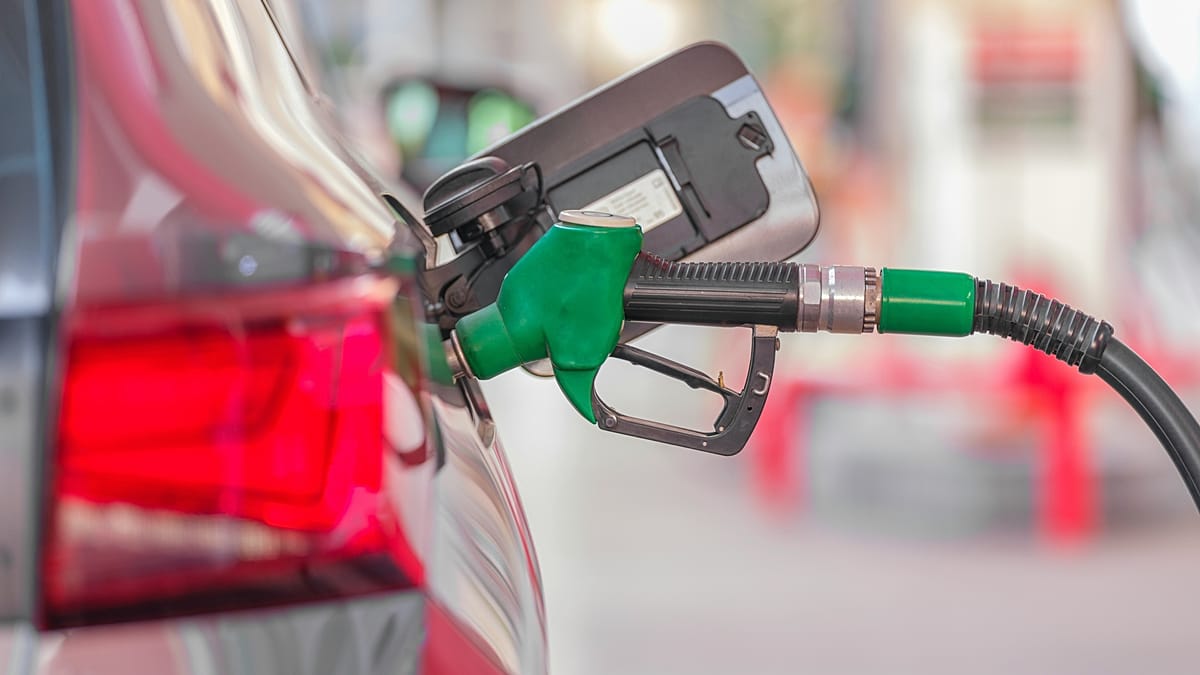
The main driver is the surge in fuel prices triggered by the war in Iran, which has disrupted oil shipments through the Strait of Hormuz. Diesel prices have jumped 45% since the start of the year, prompting French motorists to cut back. Diesel sales dropped 7.3% in the first six months, and transport emissions fell 4.5%.
Households and commercial buildings also contributed, with emissions down 12% in the first half, largely because people are using less natural gas for heating, hot water, and cooking. The overall reduction puts France on track for a 2.8% drop in emissions for the full year, up from 2.1% in 2025, which would mean about 10 million tonnes less CO2 than last year.
Still not enough
Yet the pace remains insufficient. France has committed to halving its emissions by 2030 compared with 1990 levels, a goal that requires annual cuts of around 5%. The current trajectory, even with the fuel crisis, falls well short.
Ecological Transition Minister Monique Barbut called the decline “encouraging” but admitted it was “not yet enough to meet our climate targets,” according to AFP.
Moreover, the trend may not hold. Citepa expects emissions to fall only 1.3% in the second half of the year, partly because France is increasing output from gas-fired power plants to supply electricity to neighbouring countries. The energy sector's emissions are projected to rise 3.6% for the year, offsetting some of the gains elsewhere.
European context
France is not alone in seeing a slowdown. Germany's emissions fell about 2% in the first half of 2026 as oil demand weakened, but think tank Agora Energiewende warns that Berlin could still exceed its annual emissions limit by around 10 million tonnes – the first time since its landmark climate law was passed in 2019.
High energy costs have also pushed European households towards alternatives. Heat pump sales rose 25% in France, Germany, and Poland in early 2026, and electric vehicle sales have spiked since the war began. Solar power has saved the EU an estimated €37.4 billion in gas imports since February, according to industry data.
Beyond Europe, China saw oil use fall 9% in the second quarter of 2026, with carbon emissions down 1% – the first time a decline has been linked to oil rather than coal. A report by Carbon Brief, based on IEA forecasts, suggests global fossil fuel CO2 emissions could fall about 0.5% this year, which would be the first annual decline since the pandemic lockdowns of 2020.
The IEA expects oil demand to rebound once the war ends, but the wider adoption of renewables, nuclear power, electric cars, and heat pumps could keep fossil fuel use lower even after prices stabilise. These technologies helped prevent an estimated 3 billion tonnes of CO2 emissions worldwide in 2025, the agency reports.
For France, the challenge is to turn a crisis-driven reduction into a structural shift. As some economists argue, the country's deeper problems may lie in its fiscal and structural policies. Meanwhile, the government is considering measures like tapping strategic diesel reserves to ease the burden on consumers, a move that could undermine the emissions gains.
With climate marches drawing tens of thousands in Brussels ahead of COP31, public pressure for faster action is mounting. But as the French example shows, cutting emissions without a coherent policy framework remains a distant prospect.