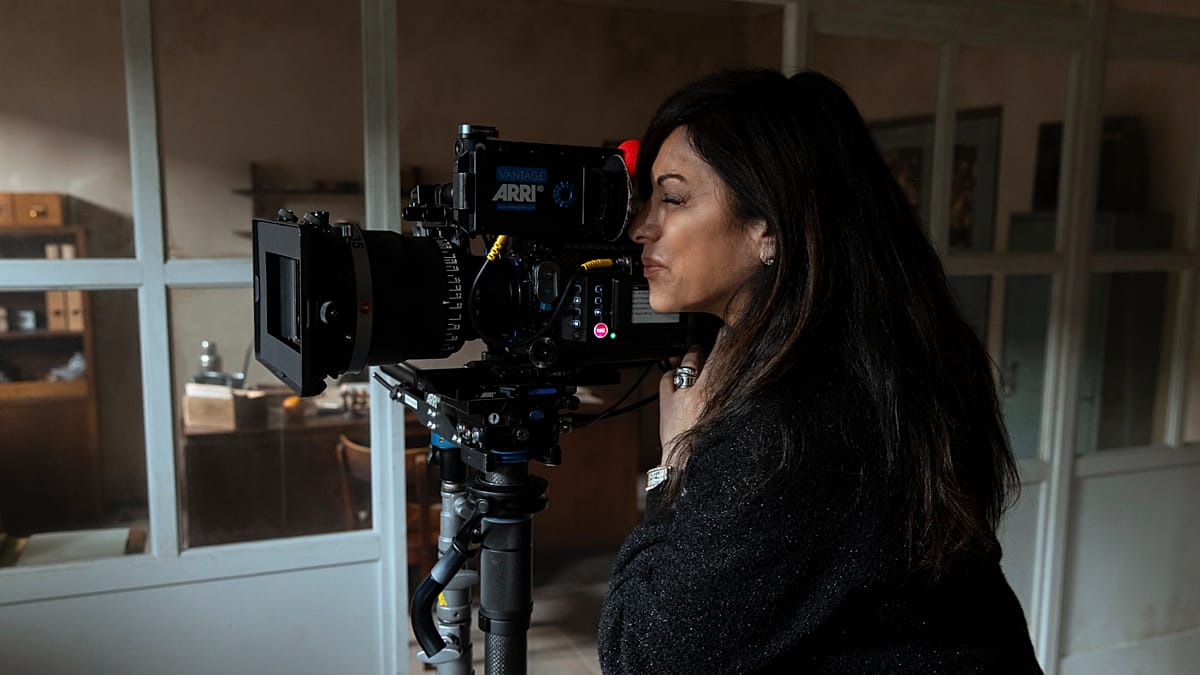
In early 1943, the SS sealed several hundred Jewish women and girls inside a windowless building at Auschwitz. Known as Block 10, it became a site of brutal medical experiments, largely forgotten for decades. Now, a feature film by Berlin producer Alice Brauner brings these crimes to the screen, shedding light on a dark chapter of European history.
A harrowing story of survival and moral compromise
The film centers on the women of Block 10 and the Jewish doctor forced to assist in the atrocities. Dr. Maximilian Samuel, a gynecologist from Cologne, was blackmailed by the SS with his daughter's life. He was tasked with helping to sterilize women en masse, a procedure that often proved fatal. Brauner, who also wrote the screenplay, emphasizes the moral complexity of Samuel's position, referencing Primo Levi's concept of the 'grey zone.' She told Euronews, 'You cannot morally condemn anyone, no matter what they did, if they were a prisoner in Auschwitz.'
The film juxtaposes Samuel's inner turmoil with the resilience of the women. They supported each other through poetry and song, moments that Brauner insists are historically grounded. The poem comes from the diary of a doctor at Auschwitz, and the song was known across multiple camps.
Resistance and historical accuracy
One figure of resistance is Dr. Adélaïde Hautval, a Frenchwoman deported to Auschwitz in January 1943 for helping Jews. As a prisoner doctor, she refused to participate in the forced sterilizations and was later recognized by Yad Vashem as 'Righteous Among the Nations.' Brauner's screenplay is based on witness testimonies and trial records, ensuring that every prisoner number and person depicted is real. Only in one abortion scene did she choose a different victim to simplify the narrative.
The production recreated Block 10 at the CCC film studios in Berlin, using 3D graphics of the original building. The Auschwitz memorial site provided unprecedented access to virtual reality 360-degree material for exterior shots. The arrival of prisoners was filmed at the railway museum in Bochum with hundreds of extras.
Authenticity over spectacle
Brauner deliberately avoided musical scoring, stating, 'I do not need additional aesthetic means to heighten emotions.' Only during the end credits does a Jewish prayer for the victims of the Shoah play. The actresses shaved their heads for the roles, and an intimacy coordinator was on set to support them. Director Marcus O. Rosenmüller spent months preparing the cast for the psychological toll.
The film does not shy away from violence, but it handles nudity with restraint, showing only fragments from the doctors' perspective. Brauner explained, 'Perhaps we really did push the boundaries of what people can bear, but we always tried to preserve the victims' dignity.' At the premiere in Munich, a pastoral counselor was present, and the film received prolonged applause. It later won the audience award at the Festival des Deutschen Films in Ludwigshafen.
For Brauner, the project is deeply personal. She continues her father's Berlin film company and previously interviewed survivors for Steven Spielberg's Shoah Foundation. She only learned about Block 10 while reading Bogdan Musiał's book 'Mengeles Koffer.' The film serves as a reminder of the horrors of the Holocaust and the importance of remembrance, especially as Europe grapples with rising antisemitism and historical revisionism.