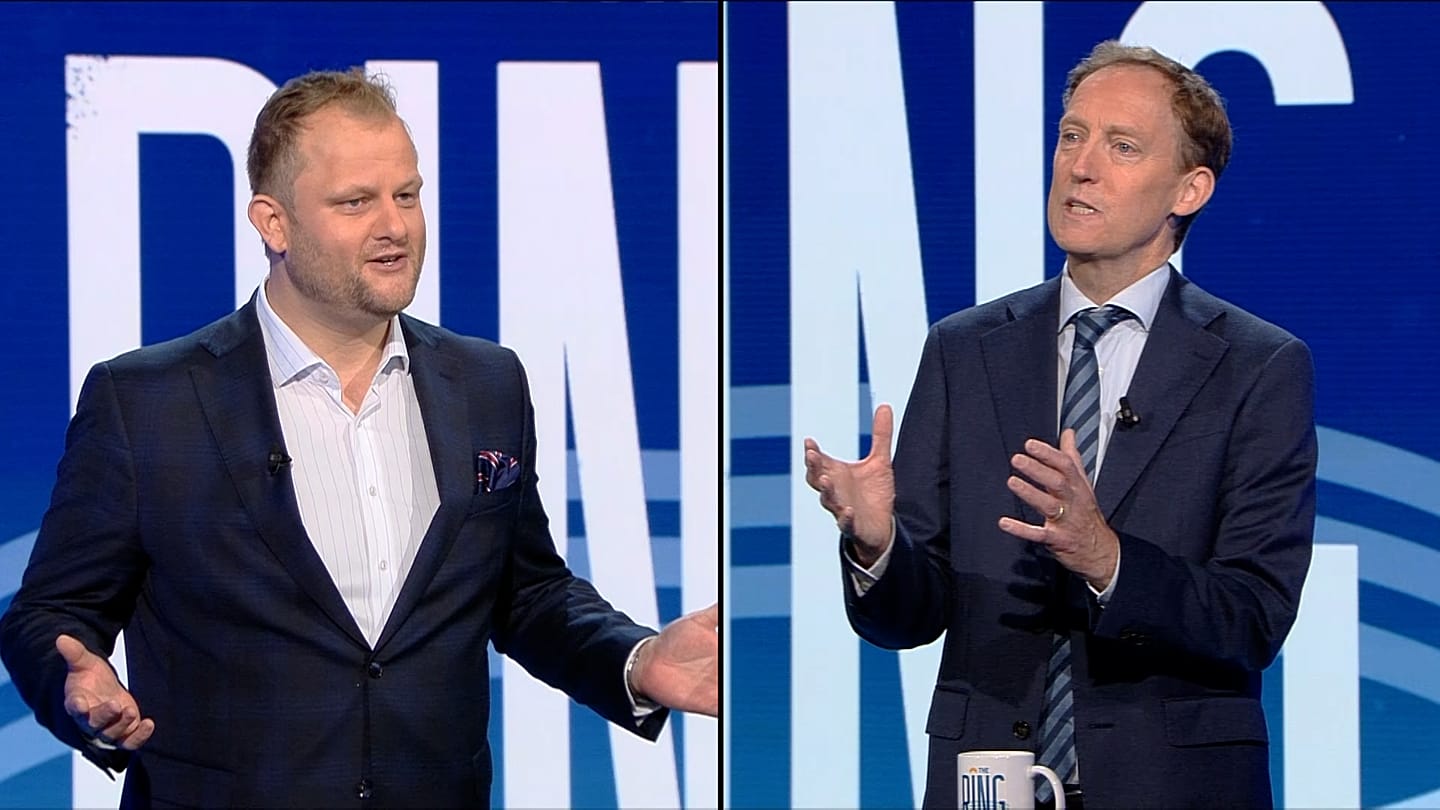
Nearly ten years after the United Kingdom voted to leave the European Union, the question of whether Brexit has made Europe stronger or weaker remains fiercely contested. In a special edition of The Ring, Members of the European Parliament from across the political spectrum gathered in Brussels to debate the legacy of the divorce and its implications for the continent's future.
Sovereignty and Integration: A Double-Edged Sword
For some MEPs, Brexit has paradoxically reinforced the case for deeper European integration. Without the UK's frequent opt-outs and vetoes, the EU has moved more swiftly on common defence initiatives, digital regulation, and climate policy. The bloc's response to the pandemic, including the joint procurement of vaccines and the NextGenerationEU recovery fund, was cited as evidence that a more cohesive union can act decisively.
Yet others warned that the loss of a major net contributor and a permanent member of the UN Security Council has diminished the EU's global clout. The departure of British diplomats and intelligence-sharing networks has left gaps in European foreign policy, particularly in relations with Washington and NATO. The debate highlighted a persistent tension: does a smaller, more integrated union wield more influence, or does it risk becoming an inward-looking fortress?
Migration and the Border Question
Migration policy emerged as a central flashpoint. Pro-Brexit voices argued that the UK's ability to control its borders post-2020 has allowed it to pursue a more selective immigration system, while the EU struggles with internal divisions over the Dublin regulation and the new Pact on Migration and Asylum. Critics countered that the UK's own asylum backlog and the recent anti-immigration protests in Belfast show that leaving the bloc did not solve the underlying challenges of integration and public trust.
MEPs from southern member states, including Italy and Greece, pointed out that the EU's external border remains porous, and that the UK's departure has not reduced the pressure on frontline countries. The debate underscored that migration is a pan-European issue that no single country can manage alone.
Economic Competitiveness and the Single Market
On economics, the picture was equally mixed. The UK's departure has cost the EU a significant trading partner and a hub for financial services. London's continued dominance in euro-denominated derivatives trading, despite regulatory efforts to shift activity to Frankfurt and Paris, was a sore point. However, the EU has used Brexit as a catalyst to deepen its capital markets union and to push for greater digital sovereignty, as seen in the strategic investments in space technology.
Several MEPs argued that the EU's regulatory autonomy has increased without British opposition to state aid rules and social standards. The bloc has been able to impose stricter competition rules on Big Tech and to advance the Green Deal without London's free-market objections. Yet the cost of doing business across the Channel has risen for both sides, with new customs checks and regulatory divergence adding friction.
Democratic Accountability and Disinformation
The debate also touched on democratic accountability. Pro-European MEPs contended that Brexit has forced the EU to confront its own democratic deficit, leading to reforms such as the Conference on the Future of Europe and the introduction of transnational lists for European Parliament elections. Sceptics, however, argued that the EU remains a distant bureaucracy, and that the UK's departure has removed a powerful voice for reform from within.
Disinformation was another battleground. The Leave campaign's use of targeted ads and false claims about Turkish accession and NHS funding has been studied across the continent. MEPs from Central and Eastern Europe warned that similar tactics are now being deployed by populist parties in Poland, Hungary, and Slovakia. The EU's Digital Services Act and the Code of Practice on Disinformation were presented as necessary safeguards, but their enforcement remains patchy.
The Future of EU-UK Relations
Looking ahead, the debate reflected a cautious pragmatism. The Trade and Cooperation Agreement has provided a framework for zero-tariff trade, but services and data flows remain contentious. The UK's participation in Horizon Europe and the Copernicus satellite programme has been restored, but trust is fragile. As British public opinion shifts back toward the EU, some MEPs called for a more ambitious partnership, including a youth mobility scheme and mutual recognition of professional qualifications.
Others warned against reopening old wounds. The EU has moved on, they argued, and should focus on its own strategic autonomy rather than chasing a relationship with a former member that remains deeply divided over its European identity. The debate ended without consensus, but with a shared recognition that Brexit is not a closed chapter. Its consequences will continue to shape the continent for years to come.