The European Commission is preparing to unveil a legislative package aimed at reducing electricity costs across the bloc, according to a draft document seen by Euronews. The proposal seeks to shift taxation away from electricity and onto natural gas, reform network charges, and accelerate the rollout of smart meters. The initiative comes as renewed geopolitical tensions, particularly in the Middle East and concerns over the Strait of Hormuz, have added an estimated €500 million per day to EU fossil fuel costs.
The core of the plan is a change to the electricity market design regulation that would require member states to reduce the tax differential between electricity and gas. This approach bypasses the need for unanimous approval on energy taxation rules, which has stalled previous reform efforts. The Commission argues that current fiscal incentives encourage continued reliance on fossil fuels, undermining the bloc's electrification goals for transport, heating, and industry.
Industry and Household Relief
For energy-intensive industries, the draft proposes giving governments greater flexibility to cut electricity taxes, potentially to zero, to maintain competitiveness. This aligns with a promise made by Commission President Ursula von der Leyen before the recent price spikes. Environmental groups, such as Climate Action Network Europe, have noted that the Commission is using the market design regulation to introduce a broad electrification principle, effectively sidestepping the need for unanimous tax reform.
The Italian think tank ECCO published a study on Thursday highlighting a stark imbalance in Italy, where households face electricity taxes up to four times higher than those on natural gas. For small and medium-sized enterprises, the gap widens to more than twentyfold. Matteo Leonardi, ECCO's co-founder, called this a 'striking paradox' that penalises the technologies essential for the energy transition. 'Those investing in electrification are unable to fully benefit from its economic advantages,' he said, warning of slower investment and reduced competitiveness.
Grid Costs Under Scrutiny
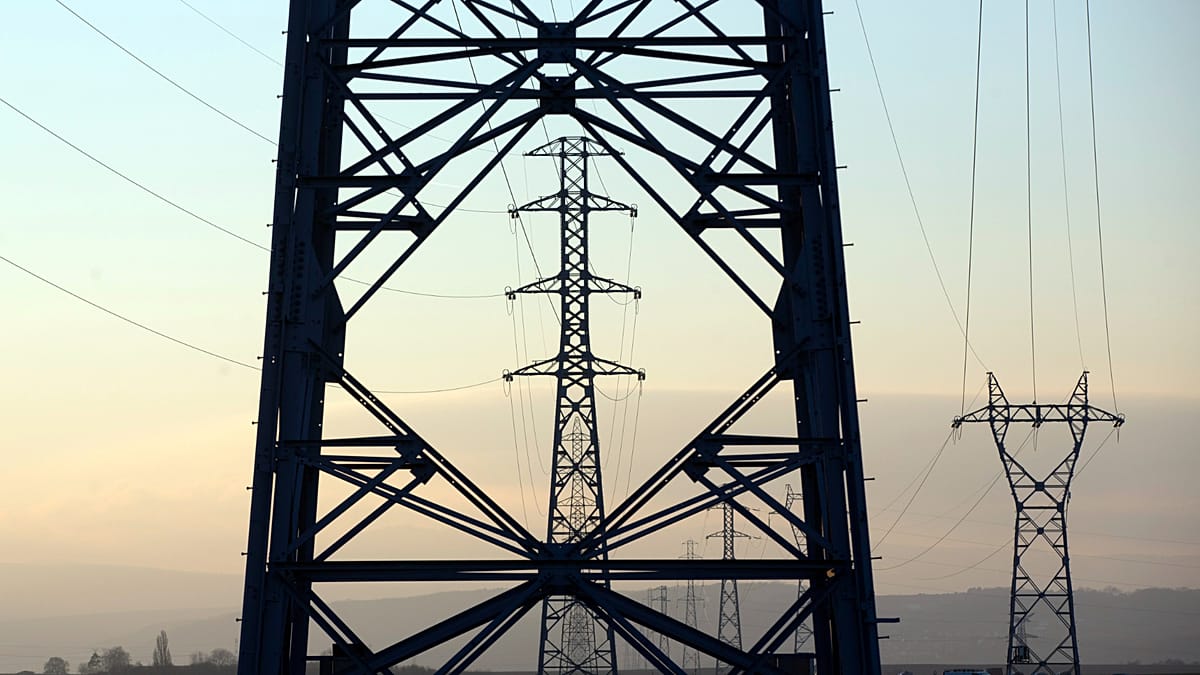
The Commission's document also addresses the rising share of electricity bills attributable to network costs and taxes. According to the draft, grid charges account for 24–29% of household bills and 21% of business bills, while taxes and levies add another 24% for households and 16% for firms. These costs are expected to rise significantly as the EU invests in grid expansion to integrate more renewable energy. Annual grid investments could double to between €75 billion and €100 billion, with total costs potentially increasing by 60% by 2050.
The International Energy Agency has warned that grid capacity is not keeping pace with the rapid growth of solar, wind, electric vehicles, and heat pumps. To address this, the Commission proposes redesigning tariff structures to reward efficient use of infrastructure. Households and businesses could face time- and location-based charges, encouraging consumption when clean power is abundant and grid congestion is low. This would mean, for example, charging electric vehicles or running industrial processes during periods of high solar or wind generation.
Smart meters are central to this vision. The Commission wants at least 50% of customers to have smart meters by 2030, rising to 65% by 2033. These digital devices enable real-time tracking of consumption, allowing consumers to respond to dynamic tariffs and benefit from lower-cost periods. Broader deployment would also improve grid visibility and management.
Political Hurdles Ahead
Negotiations among member states are expected to be challenging. Taxation remains a national competence, and efforts to harmonise rules across the bloc face resistance. Governments must balance potential revenue losses against the economic benefits of lower energy costs. Sweden has already emerged as a vocal opponent, with Stockholm recently halting plans for a new power cable to Denmark in response to the Commission's proposal to use congestion charge revenues for grid upgrades.
The Commission's approach reflects a broader strategy to accelerate electrification while managing the fiscal and political complexities of energy taxation. As the bloc grapples with high energy costs and geopolitical instability, the success of this plan will depend on member states' willingness to cede some control over tax policy in exchange for lower bills and a more resilient grid.