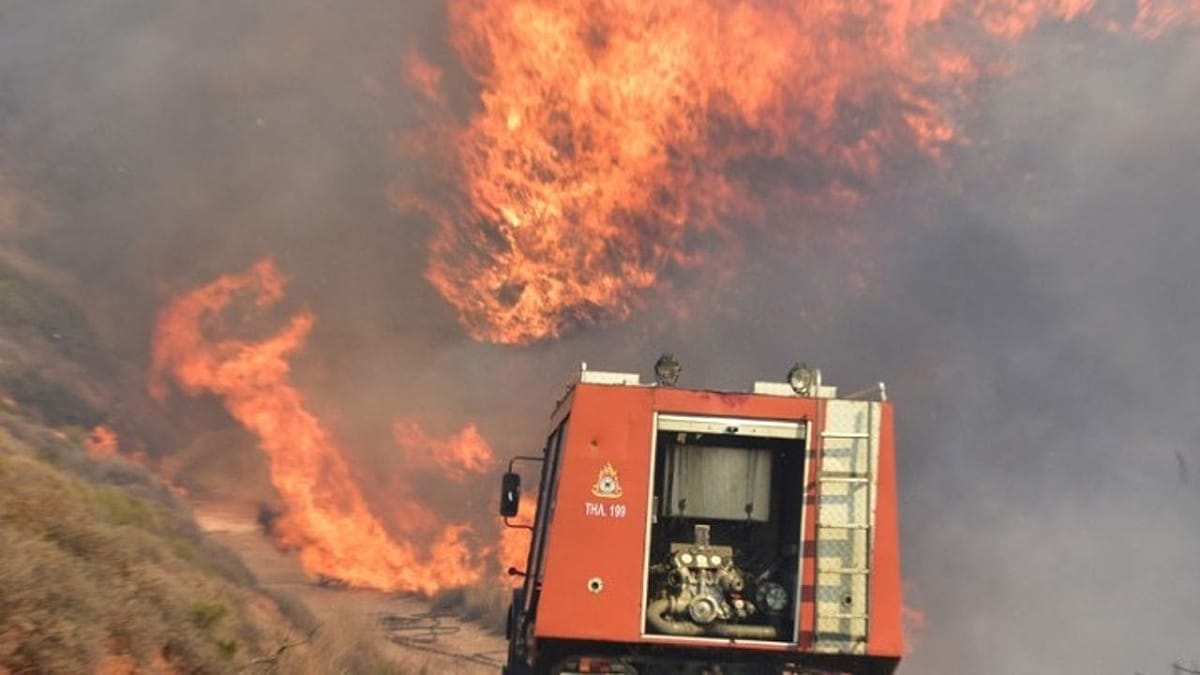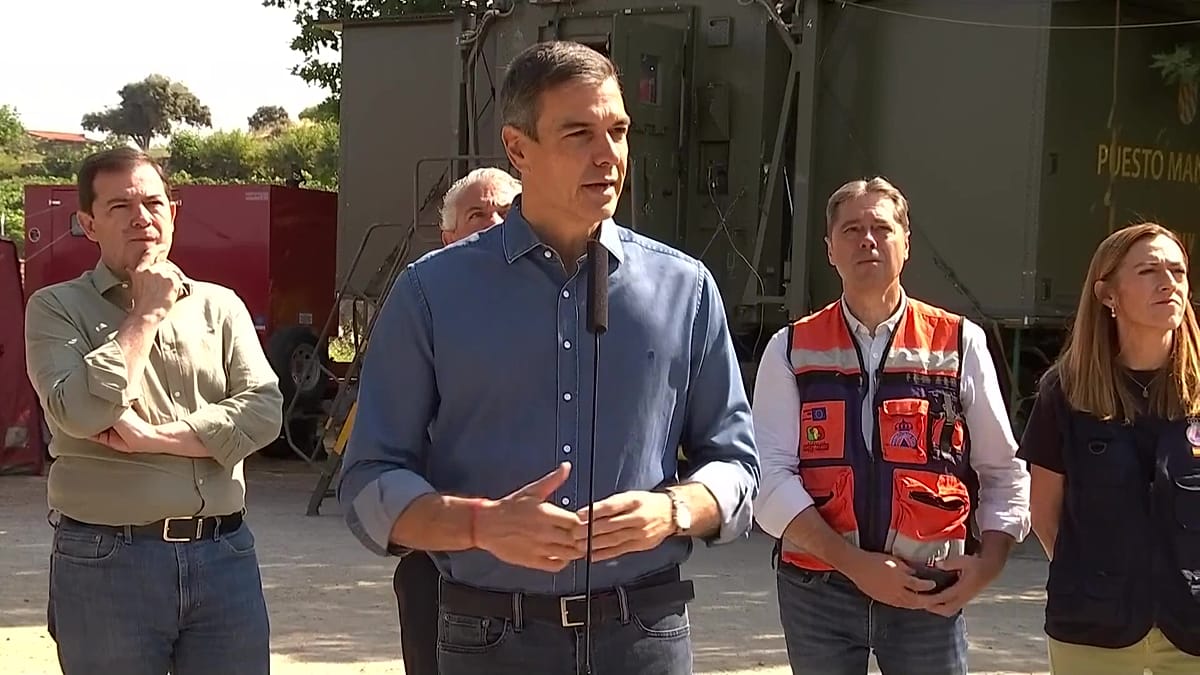
Spain is confronting one of the most severe wildfire episodes in its recent history, with Prime Minister Pedro Sánchez warning that the scale of the destruction is almost too much to comprehend. Speaking after a joint appearance with the unified command fighting the blazes in Madrid, Ávila and Toledo, Sánchez thanked the media for their accurate reporting and praised the public for their exemplary behaviour under extreme duress. He urged everyone to exercise extreme caution and acknowledged that there are still difficult hours of work ahead, though he noted that overnight efforts had yielded very positive results.
Unified response across regions
The crisis has prompted an unprecedented level of coordination between Spain's central government and regional authorities. Alfonso Fernández Mañueco, president of the Castile and León region, described the cooperation between all tiers of government as effective. The Military Emergency Unit (UME) has established a unified command to tackle the fires in Madrid and Ávila, reflecting the seriousness of the situation. The Interior Ministry has extended the national emergency to the province of Toledo because of the Almorox fire, which has added to the already overwhelming burden on emergency services.
As of 26 July, the flames have consumed approximately 45,000 hectares and forced around 100,000 people to evacuate or remain confined to their homes in Madrid and Ávila. In the Vall d'Uixò area, in the province of Castellón, a separate fire now has a perimeter of 21 kilometres and has displaced 16,000 residents. The total area burned across Spain in 2026 has surpassed 152,000 hectares, six times more than in the whole of 2025, underscoring the extraordinary nature of this year's fire season.
European solidarity in action
Portugal, Greece and Italy have joined the firefighting efforts, deploying aircraft and personnel to support Spanish crews. This cross-border assistance highlights the growing reality that climate-driven disasters do not respect national borders and require a coordinated European response. The fires have also drawn attention to the role of community solidarity, as seen in how a Provençal village survived a night of wildfire through mutual aid and local organisation.
The scale of the disaster has prompted comparisons with other recent European wildfire crises, and experts warn that the continent must invest more heavily in prevention and adaptation. Sánchez's government has already faced criticism over land management policies and the pace of climate action, but the immediate priority remains containing the flames and protecting lives. The prime minister's sombre tone reflects a recognition that even with the best efforts, the damage will be profound.
For the thousands of evacuees, many of whom have lost homes and livelihoods, the road to recovery will be long. The Spanish authorities have begun planning for reconstruction, but for now the focus is on the fire lines. As one official put it, the country is living through a disaster whose scale is very hard to accept.