As energy prices surge across Europe, the European Commission is preparing to rebuke Italy's government for its broad reduction in fuel excise duties, according to a draft of the country-specific recommendations seen by Euronews. The report, due for publication on Wednesday, argues that such untargeted measures are fiscally costly and socially inefficient, echoing recent warnings from the International Monetary Fund.
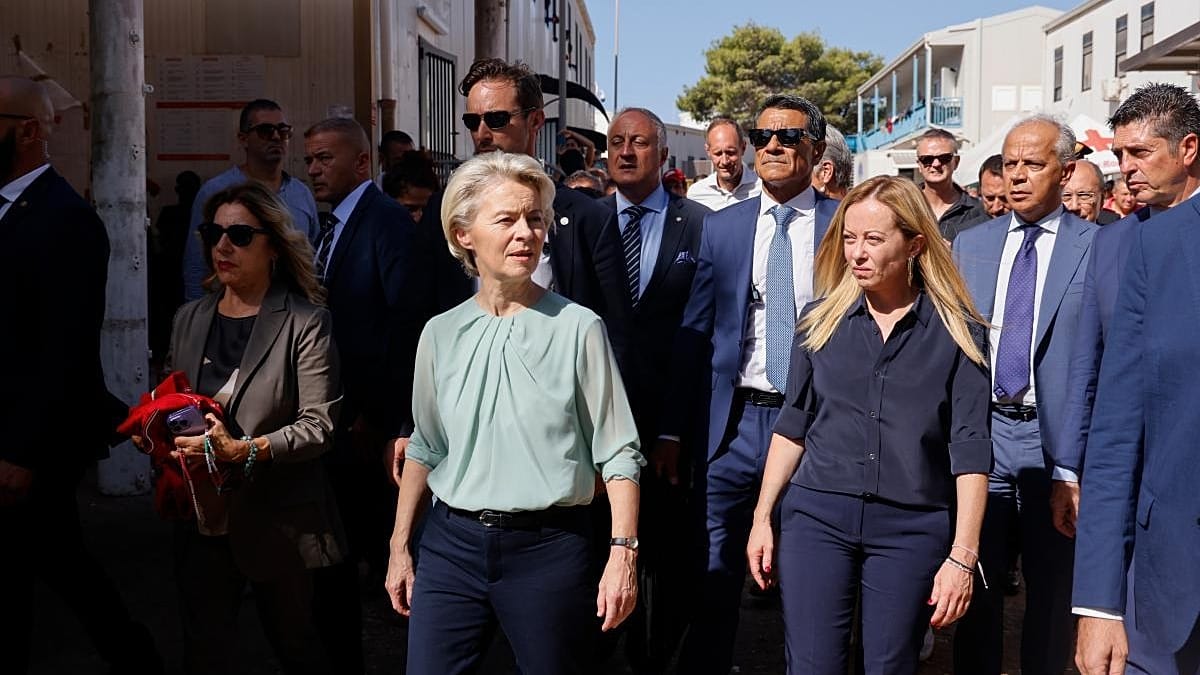
Prime Minister Giorgia Meloni has been pressing Brussels for greater fiscal flexibility to address the energy crisis, including in a direct letter to Commission President Ursula von der Leyen. Meloni has called for the same leeway granted to defence spending to be extended to energy costs. However, the Commission's draft recommendations do not endorse expanding the national escape clause, which currently exempts defence outlays from EU fiscal constraints.
Commission's Stance on Targeted Support
The draft recommendations explicitly state that Rome should "ensure that any measures taken to mitigate the impact of the hike in energy prices are temporary, targeted at protecting vulnerable households and addressing the needs of energy-intensive firms, preserve incentives for energy savings while ensuring that their fiscal cost is compatible with the recommended expenditure paths." This language suggests that while some flexibility is possible, it must be directed at those most in need, not applied across the board.
The Commission points to the 2022-2023 energy crisis triggered by Russia's war on Ukraine as a cautionary tale. Broad subsidies, it argues, carry large fiscal burdens and are economically inefficient. The draft specifically flags Italy's "untargeted" reduction in excise duties on fuels, set to expire on 6 June, and a tax credit for road transport, fishing, and agricultural enterprises.
This aligns with the IMF's recent assessment, which urged replacing the broad-based excise cuts with targeted cash transfers to vulnerable households. The fiscal cost of Italy's current measures is estimated at 0.1% of GDP in 2026, potentially rising to 0.3% if extended through year-end.
Italy's Fiscal and Energy Challenges
Italy already carries the EU's highest debt-to-GDP ratio, at around 138.5%. The Commission is calling on Rome to ensure net expenditure follows the corrective path recommended under EU fiscal rules. Meanwhile, Italy faces among the highest energy costs in Europe, exacerbated by disruptions to Gulf supply routes. The Commission has cut its 2026 GDP growth forecast for Italy from 0.8% to 0.5%.
European Commissioner Raffaele Fitto, a member of Meloni's Brothers of Italy party, recently suggested redirecting unspent cohesion funds to address the energy crisis. However, the Commission notes that Italy's cohesion fund spending remains below the EU average, citing fragmented governance and weak administrative capacity.
The draft also criticises Italy's energy policy for its structural reliance on costly gas-fired generation, which the Commission sees as a barrier to electrification and the uptake of renewables. This slow transition is particularly problematic given the continent's push for cleaner energy sources, as highlighted in our coverage of Europe's grid bottlenecks stalling the green transition.
Political Calculus and Market Pressures
Despite Brussels' criticism, temporary tax relief on fossil fuels remains popular in Italy. The government introduced these measures as the country entered a crucial phase of local elections, with the second round scheduled for this weekend. With parliamentary elections expected next year, the political calculus is delicate: Meloni's government must balance domestic popularity with the need to reassure financial markets that it can manage its enormous national debt.
The Commission's limited flexibility may not satisfy Rome's demands, but it also avoids a full-blown confrontation. Whether Meloni chooses to escalate the rhetoric for electoral gain or accept the constraints remains to be seen. What is clear is that Italy's energy and fiscal policies are under intense scrutiny, both from Brussels and from the bond markets that finance its debt.