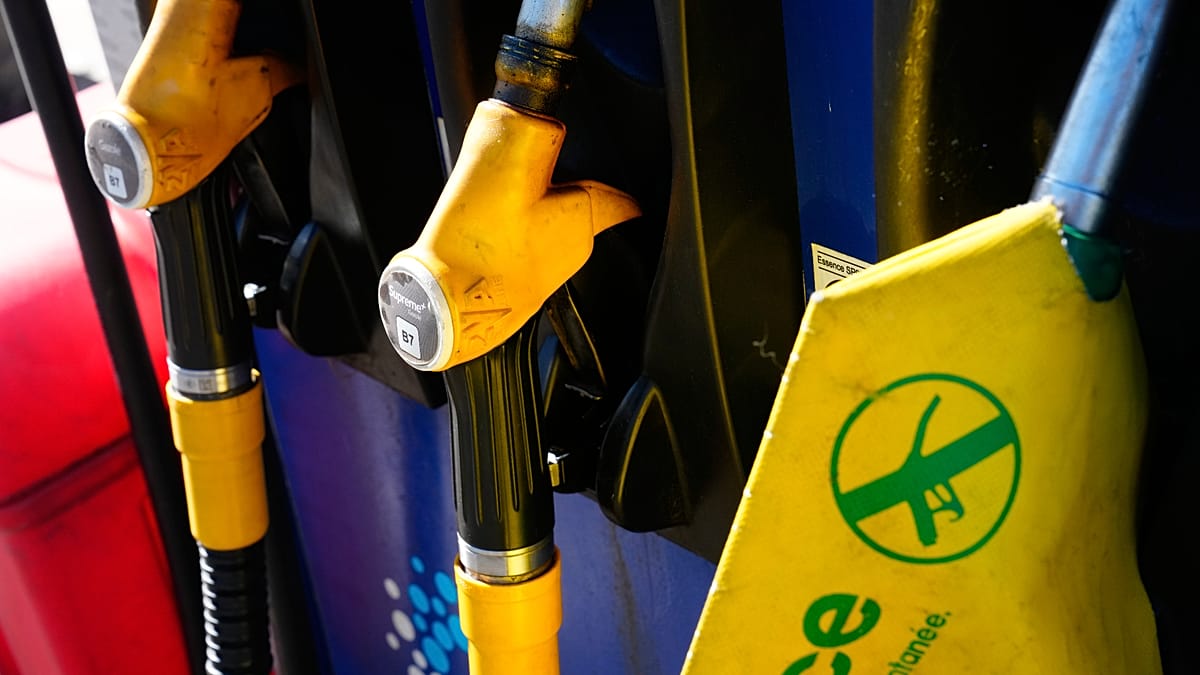
The European Union has sharply criticised a US proposal to restrict diesel exports, warning that such a move could damage both economies and disrupt shared fuel markets. The plan, floated by President Donald Trump and later clarified by his administration, has triggered alarm in Brussels and across the global energy industry.
Speaking to reporters, European Commission spokesman Olof Gill said the bloc viewed the US initiative "with concern" and had made its objections clear at the highest levels. "We believe this is a bad idea," Gill said. "We believe it potentially can have a negative impact on both sides. We're making that point to our US counterparts at the highest level."
The EU's dependence on imported diesel makes it particularly vulnerable to any disruption in transatlantic fuel flows. According to an analysis of Commission data by AFP, the average diesel price across the 27 member states hit a record €2.23 per litre in August. The United States supplied roughly half of the bloc's diesel imports that month, underscoring the strategic importance of the trade relationship.
Gill stressed the need for close consultation between partners before taking measures that affect shared markets. "We expect close partners to consult each other before taking measures that affect shared markets," he added.
Washington's mixed signals
President Trump first raised the idea of restricting diesel exports on Tuesday, citing surging fuel prices that threaten to hurt his party's chances in the November midterm elections. The war in the Middle East has driven up energy costs worldwide, and the White House is under pressure to show it is acting on inflation.
However, Energy Secretary Chris Wright sought to clarify the administration's position on Wednesday, saying the US would not impose an outright ban but would instead introduce voluntary restrictions on diesel exports. Speaking to the WSJ's Journal House on the sidelines of the UN General Assembly, Wright said the US needed to keep global markets supplied while trying to change the trajectory of domestic prices. "We're trying to avoid a blunt hammer of a government policy, understanding the complexity of refining," he said.
Wright's comments were short on specifics, and industry lobbyists have noted that any coordination among refiners over restrictions could raise antitrust concerns. The American Exploration & Production Council, a trade group, said "policymakers should reject this short-sighted approach and instead focus on solutions that will actually lower prices at the pump."
The proposal has drawn one of the most forceful pushbacks from the oil and gas industry since Trump returned to office. Companies warn that curbing exports could trigger unintended consequences, including higher domestic prices for both diesel and petrol, as refiners lose economies of scale and global supply tightens further.
For Europe, the stakes are high. The bloc has been grappling with elevated fuel costs since the US-Iran war began in late February, and any disruption to US diesel supplies could exacerbate an already difficult situation. The EU's daily diesel bill has surged to €270 million, according to a recent report, highlighting the financial strain on households and businesses.
Brussels has also been working to diversify its energy sources and strengthen its strategic autonomy, but the transatlantic diesel trade remains a critical pillar. The Commission's pushback reflects a broader concern about the reliability of US energy policy, especially as the EU seeks to deepen cooperation on energy security.
Some analysts argue that a US export restriction could actually backfire on American consumers, as it might reduce global supply and push up international prices, which would in turn feed back into US markets. Others point to the risk of retaliation from trading partners, including the EU, which could escalate into a broader trade dispute.
The EU has previously shown its willingness to defend its economic interests, as seen in its handling of sanctions and trade disputes. The current disagreement over diesel exports adds another layer of tension to transatlantic relations, even as both sides seek to coordinate on issues like Russia's war in Ukraine and the EU's Indo-Pacific trade push.
For now, the ball is in Washington's court. The administration has not yet announced concrete measures, and it remains unclear whether any restrictions will be implemented. But the EU's message is clear: unilateral actions that disrupt shared markets are unacceptable, and close consultation is essential.
As the situation evolves, European capitals will be watching closely. The EU's enlargement agenda and its broader energy strategy are already complex, and a fuel supply shock would only add to the challenges. The coming weeks will test the resilience of the transatlantic partnership in the face of energy market turbulence.