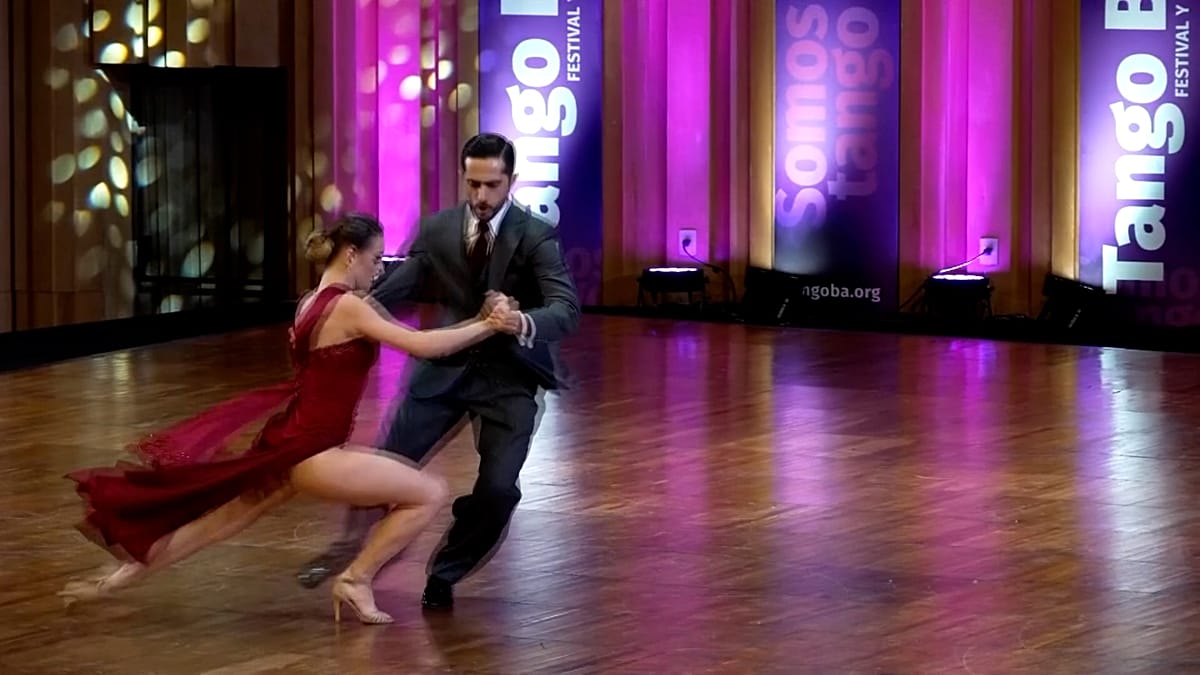
Buenos Aires has once again become the epicentre of the tango world as 800 couples from dozens of countries gather for the annual Tango BA World Championship. The event, which runs through the end of August, transforms the Argentine capital into a stage for both seasoned professionals and passionate amateurs, all vying for the title in two categories: salon tango and stage tango.
While the competition is quintessentially Argentine, its European footprint is unmistakable. Dancers from France, Italy, Germany, Spain, and the Nordic countries make up a significant share of the participants, reflecting tango's enduring popularity across the continent. For many Europeans, Buenos Aires is a pilgrimage site—the birthplace of the dance they have studied for years in milongas from Paris to Helsinki.
A global stage with European roots
Tango arrived in Europe in the early 20th century, and it never really left. Today, European tango festivals draw thousands, and the continent's dancers are regular finalists in Buenos Aires. This year, the Greek dancer Naima Gerassopoulou has already made headlines by winning the world tango title, a testament to the dance's cross-cultural appeal.
The championship is not just about competition. Organisers have scheduled a packed programme of milongas, workshops, and exhibitions across the city, turning Buenos Aires into a living tango classroom. For European visitors, it is an opportunity to immerse themselves in the dance's authentic environment, far removed from the stylised versions often seen on European stages.
Among the European contenders are couples from Italy and France, who have trained for months in local academies before making the transatlantic journey. Many cite the unique atmosphere of Buenos Aires as a crucial part of their preparation. "You can feel the history in every corner," said one French competitor. "Dancing here is different—it's more grounded, more connected."
The event also serves as a cultural bridge, reinforcing ties between Latin America and Europe. For the European Union, cultural exchanges like this are part of a broader relationship that includes trade, diplomacy, and people-to-people contacts. The tango championship, with its European participants, is a vivid example of how a shared passion can transcend borders.
As the competition reaches its climax, the final rounds will be held at the iconic Luna Park stadium, a venue steeped in tango history. The winners will not only take home trophies but also the prestige of having conquered the world's most demanding tango stage.
For those unable to travel to Buenos Aires, the championship is being streamed online, allowing tango enthusiasts in Europe and beyond to follow the action live. The event's global reach underscores tango's status as a UNESCO-recognised intangible cultural heritage, a designation that owes much to the dance's transatlantic journey.
As the lights dim over the dance floor, one thing is certain: tango remains a living, evolving art form, and its heart beats strongest in Buenos Aires—with a distinctly European pulse.