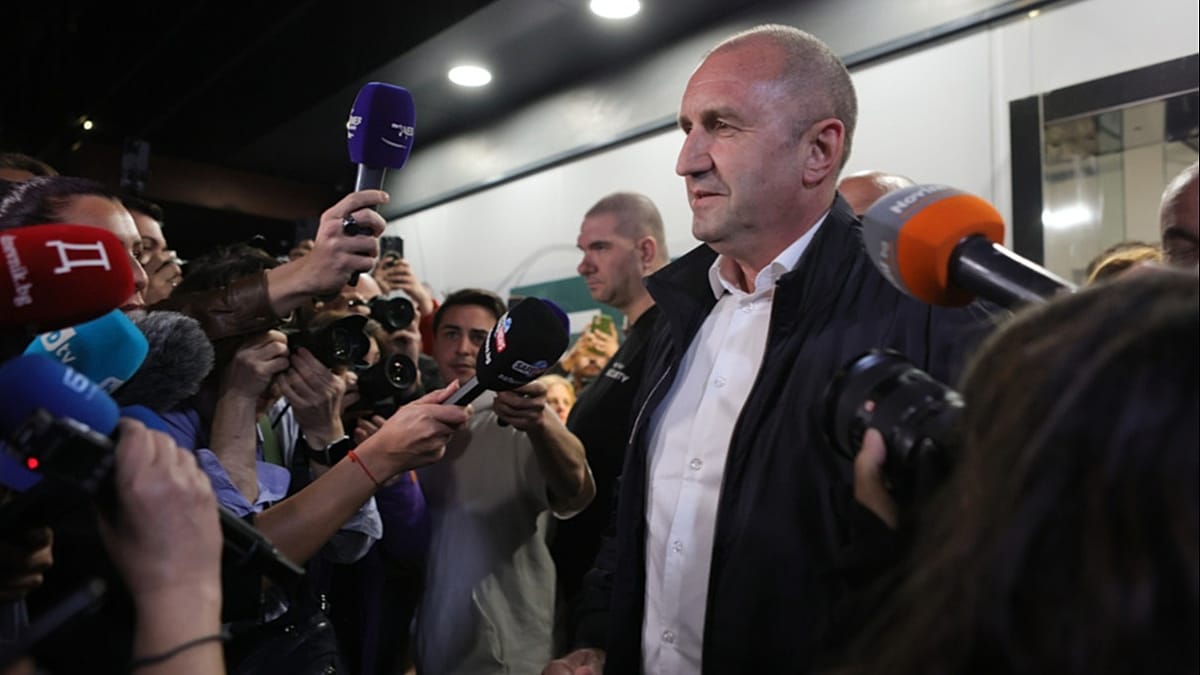
Bulgaria's parliament formally approved Rumen Radev as prime minister on Friday, marking a pivotal moment for the EU member state as it seeks to end years of political turmoil and accelerate economic reforms. The 62-year-old former fighter jet pilot and ex-president secured 124 votes in favour, with 70 against and 36 abstentions, after his Progressive Bulgaria party won an outright majority in the 19 April parliamentary election—the first such majority in the country since 1997.
Radev, who resigned from the largely ceremonial presidency in January to pursue the more powerful role of prime minister, addressed lawmakers with a sober assessment of the challenges ahead. “We have no illusions about the crises and trials facing the government, which will soon be seeking your support – galloping prices, budget, missing reforms, a severe global energy crisis and escalating conflicts,” he said.
A Mandate for Change
The vote comes after Sofia's previous conservative government collapsed in December 2024, following nationwide anti-corruption protests that drew hundreds of thousands of mainly young Bulgarians to the streets. Radev positioned himself as an opponent of the entrenched oligarchic networks and their ties to high-ranking politicians, vowing at campaign rallies to “remove the corrupt, oligarchic model of governance from political power.”
His Progressive Bulgaria party secured 131 seats in the 240-seat legislature, giving him a clear mandate. However, his supporters are divided: some hope he will dismantle systemic corruption, while others align with his Eurosceptic and Russia-friendly views. Radev earned a Master of Strategic Studies from the US Air War College in Alabama in 2003 before serving as Bulgarian air force commander.
European and Domestic Balancing Act
Radev's pro-Russian stance has raised concerns in Brussels about Bulgaria's position within European policymaking. Yet political analysts expect his approach to remain moderate, unlike that of former Hungarian Prime Minister Viktor Orbán. This is largely because Bulgaria—a poor nation of 6.5 million people—remains heavily reliant on European Union funds. Radev's government is expected to undertake a series of reforms to unlock nearly €400 million in EU funding, a critical lifeline for the economy.
The new prime minister's relationship with the EU will be closely watched, especially as the bloc grapples with internal divisions over energy policy and external threats. For more on Radev's political trajectory, see Rumen Radev, EU Critic, Appointed Prime Minister of Bulgaria After Landslide Win.
Economic and Political Stakes
Bulgaria faces soaring inflation, a strained budget, and a severe global energy crisis exacerbated by the war in Ukraine. Radev's government must also address missing reforms that have hampered the country's competitiveness. The European Commission has linked the release of funds to progress on judicial independence and anti-corruption measures.
Meanwhile, the broader European context adds pressure. EU finance ministers have urged caution amid global trade tensions, as highlighted in EU Finance Ministers Urge Caution as Trump Threatens 25% Auto Tariffs. Bulgaria's stability is crucial for the region, given its strategic location in the Balkans and its role in European energy transit.
Radev's ability to navigate these challenges will determine whether his tenure marks a genuine break from the oligarchic past or a continuation of the status quo. For now, the parliament's vote offers a chance for renewal—but the road ahead remains steep.