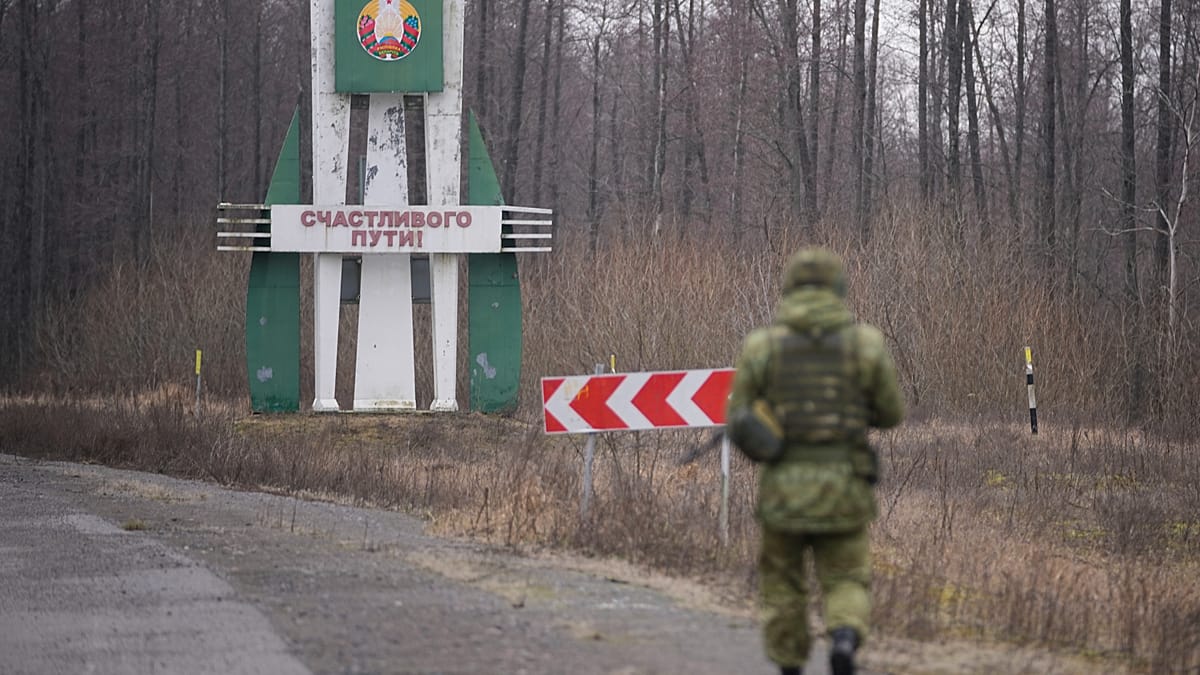
On Wednesday, a bus carrying a children's football team from Belarus was hit by a drone in Russia's Bryansk region, a territory that borders both Ukraine and Belarus. The incident has sparked a fresh round of accusations between Moscow and Kyiv, with each side offering sharply divergent accounts.
Local authorities confirmed that a woman accompanying the team was killed. Russia's healthcare ministry reported that seven people, including five children, sustained injuries. Photographs released by a Belarusian television channel showed a grey bus with shrapnel holes along one side and several windows blown out.
Conflicting Narratives
Russian officials immediately attributed the strike to Ukraine, claiming it was a deliberate drone attack. The Belarusian foreign ministry condemned the event as “another act of terrorism against civilians” and demanded “exhaustive explanations” from Kyiv.
Ukraine's General Staff of the Armed Forces, however, categorically denied the allegations. In a statement, it said that “during the specified period, the Defence Forces of Ukraine did not employ unmanned aerial vehicles against targets in Bryansk region.” Kyiv insists it regards “such reports as yet another information provocation orchestrated by the Kremlin.”
The Ukrainian statement further argued that “unable to achieve its declared objectives on the battlefield and suffering significant losses, the Russian Federation is increasingly resorting to information manipulation and the fabrication of accusations against Ukraine.”
Context and Implications
The Bryansk region has been a frequent flashpoint in the ongoing conflict, with both sides trading blame for cross-border incidents. This latest episode involves a Belarusian team traveling from Gomel in southeastern Belarus—close to the borders with Russia and Ukraine—to Gelendzhik on Russia's Black Sea coast, according to Bryansk's acting governor Yegor Kovalchuk.
The incident underscores the broader pattern of disinformation and propaganda that has characterized the war. EU sanctions against individuals and entities for spreading Russian disinformation highlight the bloc's efforts to counter such narratives. Meanwhile, G7 leaders have pledged more weapons for Ukraine and targeted Russian energy revenue, reflecting the international community's continued support for Kyiv.
The involvement of Belarusian children adds a humanitarian dimension to the dispute, raising questions about the safety of civilians in conflict zones. Russian drone barrages have previously hit Kyiv and Mykolaiv, causing widespread damage and casualties, while a drone strike in Zaporizhzhia killed one person and damaged a university. These events illustrate the relentless nature of aerial attacks in the region.
As the war grinds on, such incidents are likely to fuel further tensions and complicate any prospects for de-escalation. The European Union and its member states continue to monitor the situation closely, with an eye on both the humanitarian impact and the broader geopolitical ramifications.