Calvià, a coastal municipality on the southwestern flank of Mallorca, has been named one of the 2027 European Capitals of Tourism in the 25,000–100,000 inhabitants category. The European Commission praised its "ambition to transform its tourism model, moving away from high-volume mass tourism towards a more sustainable and year around approach." Jury members also highlighted its efforts to ensure tourism contributes to long-term economic, environmental, and social wellbeing, while "creating a more balanced relationship between visitors, residents and the local environment."
For travellers, that means a destination that is actively rethinking how it welcomes guests. The shift is part of a broader European conversation about moving beyond visitor numbers to lasting value, and Calvià is positioning itself as a model for the rest of the continent.
Beyond the beach: history and culture
Spread over 145 square kilometres and backed by the Serra de Tramuntana mountains, Calvià's history reaches back to the 13th century. Several old Mallorcan manor houses still stand, including Can Verger, which now houses a library and youth facilities, and Can Ros. These estates offer a glimpse into the island's rural past, far from the crowded resort strips.
The traditional market in Calvià village, held every Monday morning, is the municipality's oldest. More than 60 stalls sell local food, clothing, and handicrafts, making it a good starting point for a cultural visit.
Film buffs may recognise Calvià from the big screen. The 2019 comedy The Hustle, starring Anne Hathaway and Rebel Wilson, was partly shot in Puerto Portals, one of the area's upscale marinas. Other productions have also used the region's dramatic cliffs and coves as backdrops, so set-jetters can explore locations that have appeared in international cinema.
Hiking and water sports
Calvià is crisscrossed by several certified hiking trails. The PR-MA 1 route connects the town of Peguera with the village of Es Capdellà, passing through pine forests, farmland, and offering views of the Torrent des Gorg mountain range. Along the way, hikers can see the 14th-century Torre d'En Boira, a medieval tower-house. Other certified routes include PR-MA 2 (La Vall Verda), PR-MA 3 (Sa Vinya), and PR-MA 4 (Sa Font de Sa Cometa).
When you're ready to leave dry land, the Mediterranean waters provide ample opportunities for motorboating, windsurfing, banana boat rides, scuba diving, and surfing. The coastline's mix of sandy beaches and rocky inlets means there's a spot for every kind of water enthusiast.
Coastal cuisine
Unsurprisingly for an island destination, dining in Calvià revolves around fresh seafood and traditional Mallorcan fare. At the Mandarin Oriental Punta Negra, Leña Mallorca is a Spanish steakhouse inspired by local culinary traditions. Open-fire cooking and a display of dry-aged meats are the highlights, alongside vegetable, seafood, and meat dishes, plus Spanish-Japanese fusion "yakipinchos" – grilled skewers that blend two culinary worlds.
The same hotel is home to Matsuhisa, chef Nobu Matsuhisa's restaurant, which pairs sushi with sea views. For a more casual paella experience, Paco's Santa Ponsa serves authentic Spanish cuisine, tapas, fresh fish, steak, pizza, and sweet treats, all within easy reach of Platja de Santa Ponça. Meanwhile, Lucy Wang in Portal Nous mixes Japanese, French, and Mediterranean influences, offering everything from edamame to ceviche, alongside sushi and sashimi.
Where to stay
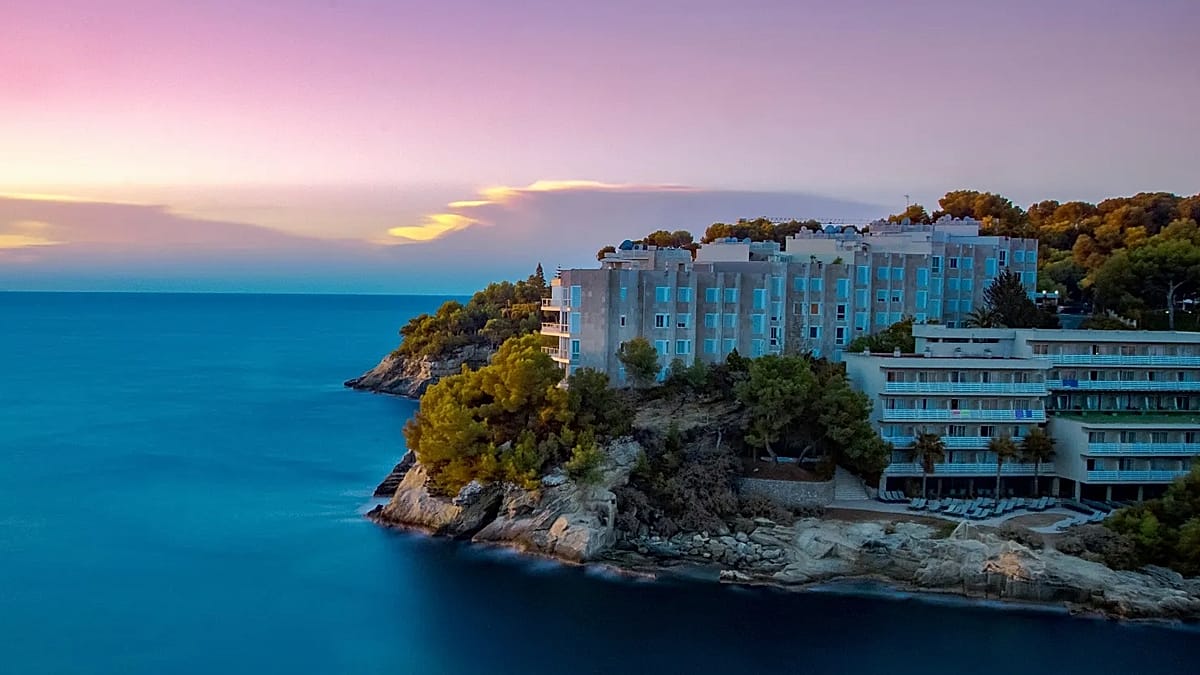
After a day of hiking, water sports, and dining, the five-star Hotel Golf Santa Ponsa offers a luxurious retreat. Set within a golf club, the property overlooks the Puig de Galatzó peak and is surrounded by six kilometres of coastline, beaches, and a marina. It's a fitting base for exploring a destination that is reinventing itself for a more thoughtful era of travel.
Calvià's recognition as a 2027 European Capital of Tourism is not just an award; it's a signal that Mediterranean destinations can evolve. For visitors, it means a chance to experience Mallorca's beauty without the crowds – and to be part of a tourism model that prioritises the long-term health of the island and its communities.