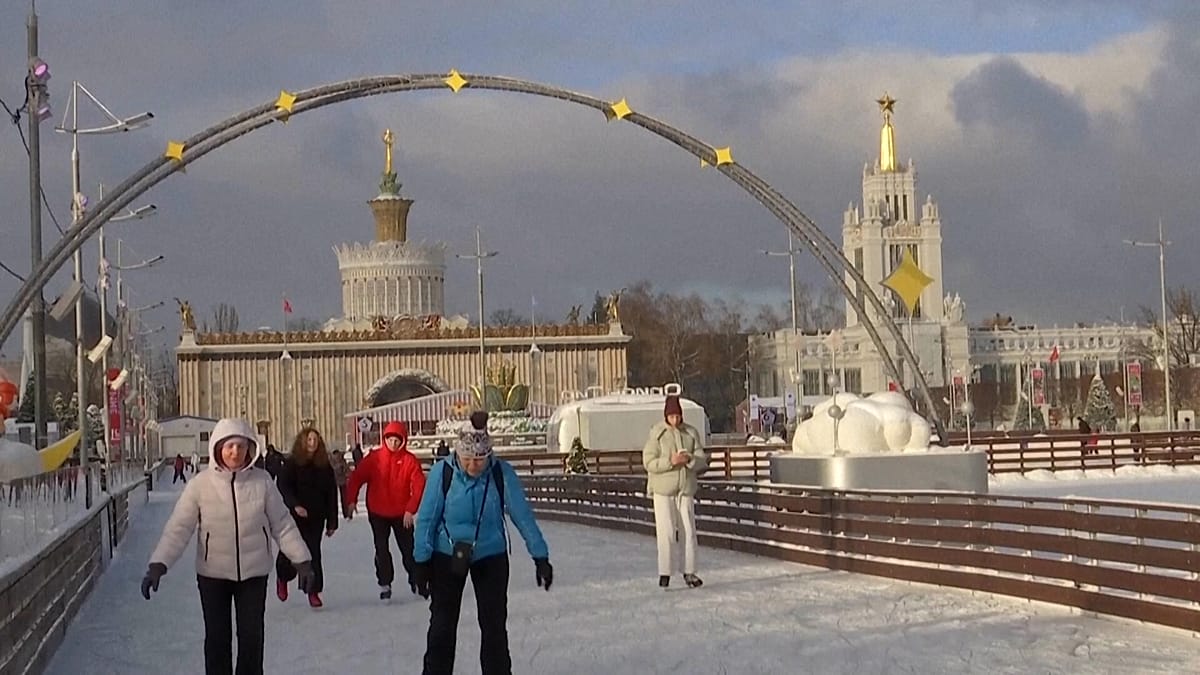
Moscow's VDNKh exhibition park, a sprawling monument to Soviet-era ambition, has thrown open its doors—or rather, its frozen surfaces—for the winter season. On Thursday, 26 November, the park's vast outdoor ice rink began welcoming skaters, offering 20,000 square metres of ice that snakes around the complex's landmark fountains, themselves relics of a bygone ideological era.
The rink, one of the largest in Europe, transforms the park's central alleys into a winter playground. Visitors can glide past the famous Friendship of Peoples fountain, its gilded figures glinting under the low winter sun, and the equally iconic Stone Flower fountain, both designed to showcase the unity of the Soviet republics. For many Muscovites, the opening marks the unofficial start of the city's long, cold season—a moment of communal joy against a backdrop of geopolitical tension.
A Soviet legacy in a modern Russia
VDNKh, which stands for Vystavka Dostizheniy Narodnogo Khozyaystva (Exhibition of Achievements of the National Economy), was established in 1939 as a showcase for Soviet industrial and agricultural prowess. Its monumental pavilions, each representing a different republic or industry, were designed to inspire awe and loyalty. Today, the park is a popular leisure destination, hosting markets, museums, and cultural events, while its architecture remains a potent symbol of Russia's complex past.
The ice rink, which has become an annual tradition since its revival in the post-Soviet era, is a key part of VDNKh's winter appeal. It is not merely a skating surface but a carefully curated experience, with lighting, music, and food stalls lining the route. For many, it is a chance to reconnect with a shared urban heritage, even as the political landscape shifts around them.
The opening comes at a time when Russia's relations with Europe are fraught, to say the least. Recent incidents, such as Russian missile and drone strikes killing civilians in Ukraine, have further strained ties. NATO has responded by sending AWACS surveillance aircraft to Poland after Russian missiles crossed into NATO airspace, and the Czech Republic has pledged support to Poland in the face of such violations. The contrast between the festive scene at VDNKh and the grim realities of conflict could hardly be starker.
Yet for the skaters gliding across the ice, these geopolitical concerns may seem distant. The rink offers a rare moment of escapism, a chance to enjoy a simple pleasure that transcends politics. It is a reminder that even in times of crisis, everyday life continues—people skate, laugh, and warm themselves with mulled wine, finding solace in tradition.
The VDNKh rink is not just a local attraction; it is a draw for tourists from across Russia and beyond. Its scale and setting make it unique, and its opening is often covered by international media. For visitors from Europe, it offers a glimpse into a side of Moscow that is often overshadowed by headlines—a city of culture, history, and resilience.
As the winter progresses, the rink will host various events, from ice shows to amateur hockey matches, cementing its role as a social hub. For now, the first skaters of the season are enjoying the novelty of fresh ice, their breath visible in the cold air, their movements tracing patterns against the backdrop of Soviet-era grandeur.
In a broader context, the rink's opening is a small but telling example of how Russia continues to cultivate its public spaces, blending nostalgia with modern leisure. Whether this will translate into any softening of international tensions remains to be seen, but for one afternoon at least, the ice at VDNKh offers a neutral ground—a place where the only competition is between skaters, not nations.