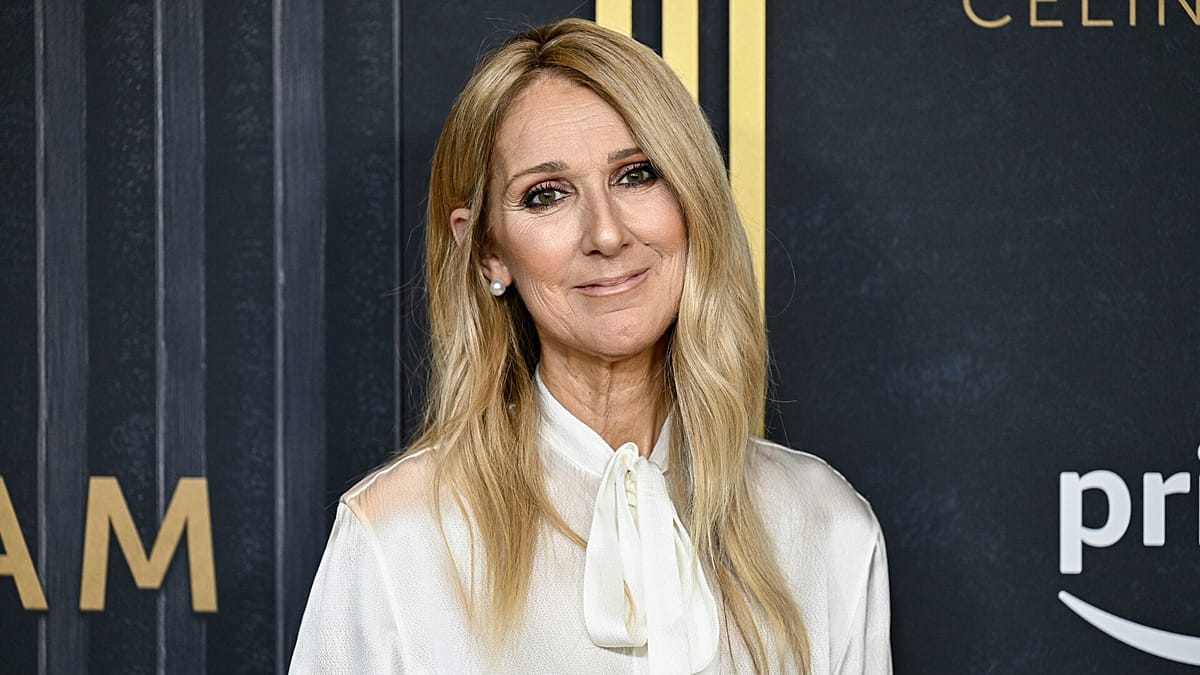
For nearly two decades, Céline Dion carried a secret burden: an illness with no name, and a dependence on Valium just to get through each day. In a candid interview with Harper’s Bazaar, the 58-year-old French-Canadian singer revealed that she had been taking the anti-anxiety drug for 17 years before doctors finally identified her condition as stiff-person syndrome in 2022.
Dion described the pain as so severe that at times she could barely walk. Yet she continued to perform, attributing cancellations to mundane ailments like sinus infections. Behind the scenes, her body was sending distress signals that no one—least of all her—could decode.
A hidden struggle
The singer’s symptoms began long before her public diagnosis. Stiff-person syndrome, a rare neurological disorder, causes progressive muscle stiffness and painful spasms. For Dion, the road to that diagnosis was a lonely one. She told Harper’s Bazaar that she had been using Valium to manage the symptoms, a stopgap that masked the underlying problem.
Her health struggles became public in December 2022, when she announced the diagnosis and cancelled the remaining dates of her Courage World Tour. Her sister later revealed that Dion had lost control of her muscles as the condition advanced. The 2024 documentary I Am: Céline Dion offered an unflinching look at her treatment, including episodes where spasms left her unable to move or speak.
Despite the ordeal, Dion made a triumphant return at the Paris Olympics in July 2024, singing Édith Piaf’s “Hymne à l’amour” from the Eiffel Tower. That performance, watched by millions, was a signal that she was not finished.
Preparing for a comeback
Since her diagnosis, Dion has undergone a rigorous treatment regimen that includes medication, physical therapy, vocal therapy, and immunotherapy. She has also embraced a demanding fitness routine—90-minute Pilates sessions three times a week, plus ballet—to rebuild her strength for the stage.
Her return to Paris begins on 12 September with a five-week residency at Paris La Défense Arena. The 16 dates sold out within hours of going on sale in April, prompting the addition of 10 more shows in May 2027. The economic impact is expected to be substantial: Alexandra Dublanche, chair of the Choose Paris Region, told AFP that the concerts could inject between €300 million and €500 million into the local economy.
Dion has also been releasing new music ahead of the residency, including the French-language single “Bonjour, Pardon, Merci,” which follows “Dansons” from April. Her story—of resilience in the face of a mysterious illness—resonates far beyond her native Quebec, touching fans across Europe and the world.
As she prepares to step back into the spotlight, Dion’s honesty about her struggles offers a rare glimpse into the human cost of a career built on perfection. Her Paris residency is not just a comeback; it is a testament to survival.