The Coalition for Epidemic Preparedness Innovations (CEPI) announced on Monday that it will urgently accelerate the development of three experimental vaccines targeting the Bundibugyo strain of Ebola, as the outbreak in the Democratic Republic of Congo and Uganda continues to spread. The global public-private partnership, headquartered in Oslo, is committing up to $50 million (€43 million) to advance candidates from Moderna, the University of Oxford, and the International AIDS Vaccine Initiative (IAVI).
“With Bundibugyo virus spreading rapidly and no licensed vaccines, every day counts in the race against this deadly disease,” said Dr Richard Hatchett, CEPI’s Chief Executive Officer. “CEPI’s urgent funding and support for these three promising candidates aims to advance safe, effective vaccines to help control this epidemic.”
Three Candidates, Different Platforms
Moderna’s candidate, which uses the same mRNA technology validated during the COVID-19 pandemic, will receive up to $50 million for preclinical testing and Phase 1 clinical trials. The University of Oxford, in partnership with the Serum Institute of India (SII), will get an initial allocation of up to $8.6 million (€7.4 million) for preclinical work and development activities ahead of Phase 1 trials. IAVI’s candidate, based on the rVSV vaccine platform already approved for the Zaire strain of Ebola, will receive up to $3.2 million (€2.57 million).
The World Health Organization (WHO) identified these three as the most promising candidates currently under development. All underlying platforms have extensive safety data and have shown preclinical or clinical efficacy against other pathogens, including the Zaire and Sudan strains of Ebola, as well as the Marburg virus.
“CEPI's investment in three promising Bundibugyo virus vaccine candidates is an important step forward in our collective response,” said Dr Tedros Adhanom Ghebreyesus, WHO Director General. He added that a Bundibugyo vaccine could help control the current epidemic and strengthen preparedness for future outbreaks, calling it “exactly the kind of cross-sectoral collaboration that epidemic response demands.”
Dr Jean Kaseya, Director General of the Africa Centres for Disease Prevention and Control, also welcomed the move. “As we respond to an active Ebola outbreak in Africa, CEPI’s investment in three Bundibugyo ebolavirus vaccine candidates is both timely and critical to Africa’s health — as well as economic security and advancing Africa’s ambition to build sustainable R&D and vaccine manufacturing capacity on the continent,” he said.
Outbreak Update and Response
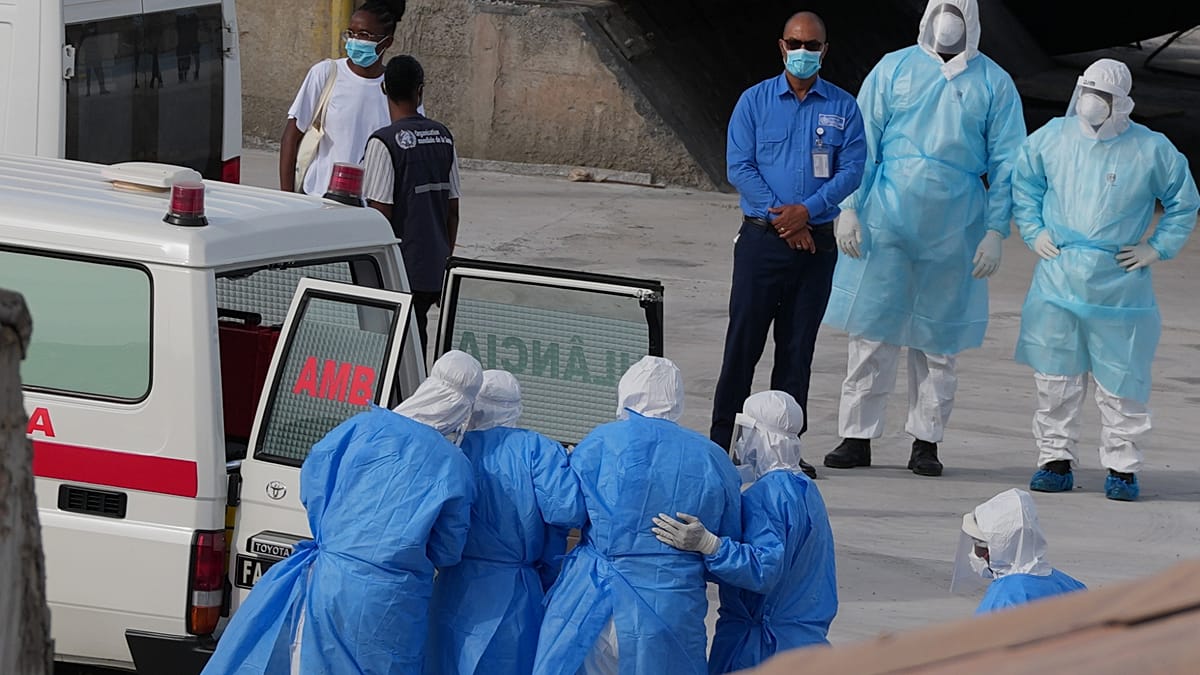
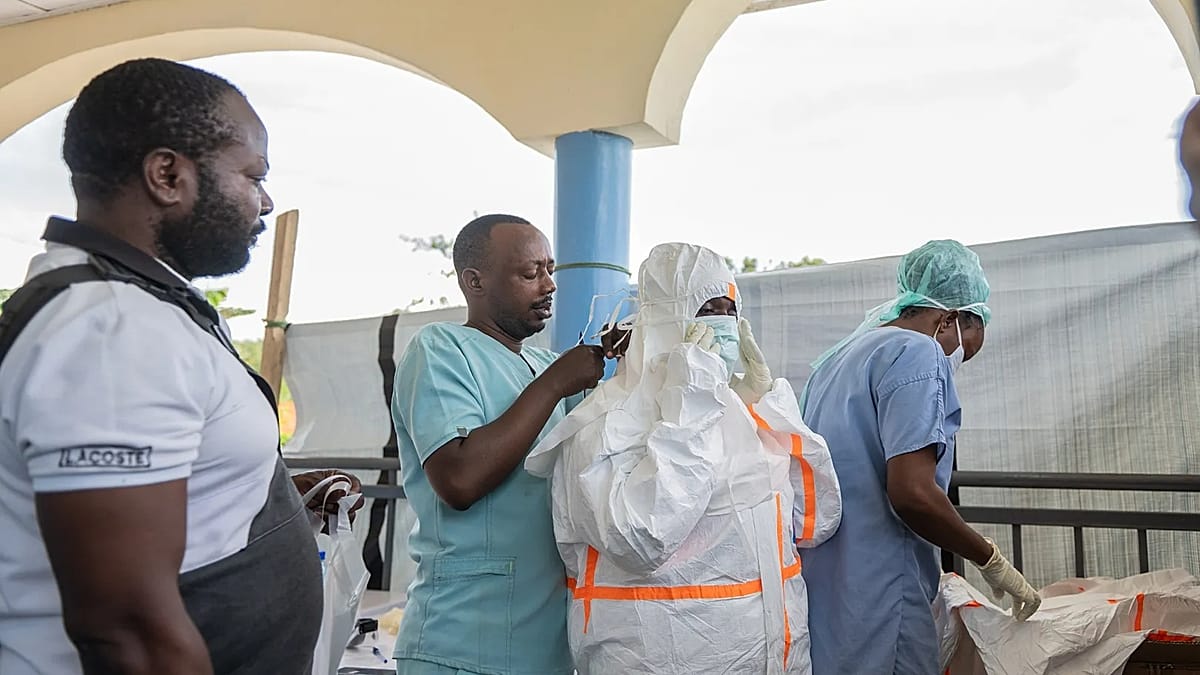
The current outbreak has caused at least 282 confirmed cases, the DRC confirmed on Sunday, with some 1,000 suspected cases recorded. While vaccines are being developed, the WHO stressed that the immediate priority is to stop transmission using tools that have been used for decades in Ebola responses, such as contact tracing, isolation, and safe burials.
European health authorities remain on alert. In March, a suspected Ebola case in Cagliari triggered emergency protocols, though it later proved negative. The EU has also sent medical aid to Goma, as reported in DR Congo Intensifies Ebola Response as EU Medical Aid Arrives in Goma. The WHO chief recently visited the epicentre to push for a community-led response, detailed in WHO Chief Visits DR Congo Ebola Epicentre to Push for Community-Led Response.
The Bundibugyo strain, first identified in Uganda in 2007, is less common than the Zaire strain but has caused several outbreaks with fatality rates ranging from 25% to 50%. No licensed vaccine currently exists for this strain, making the CEPI initiative a critical step in pandemic preparedness.