Authorities in the Democratic Republic of Congo have escalated efforts to contain a worsening Ebola outbreak after a new case was confirmed in Goma, a densely populated city in the country's east. The case, announced by the health ministry on Tuesday, marks a worrying expansion of the virus into a major urban hub, raising the risk of rapid transmission across borders.
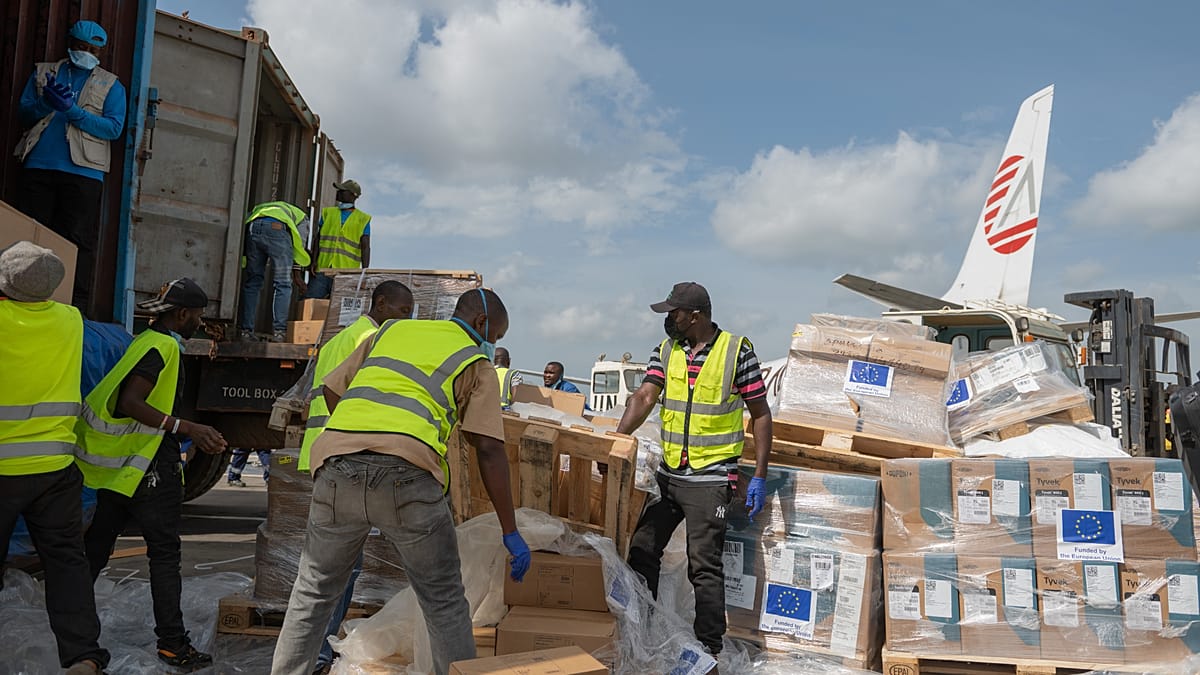
The outbreak, which began in North Kivu province, has already spread to neighbouring Uganda, prompting the World Health Organization to raise the risk level to 'very high' for the region. In response, the European Union and UNICEF have airlifted 100 tonnes of medical supplies to Kinshasa and Goma, including protective equipment, treatment kits, and mobile laboratories. The aid, funded by the EU's Civil Protection and Humanitarian Aid operations, is intended to bolster local health systems that are already stretched by decades of conflict and displacement.
Goma, a city of over one million people on the shores of Lake Kivu, is a critical transit hub linking the DRC to Rwanda and Uganda. Its dense population and frequent cross-border movement make it a potential epicentre for wider spread. Health workers are now racing to trace contacts and vaccinate frontline staff, but the task is complicated by the presence of armed groups and a fragile infrastructure.
Rare Strain and Regional Fears
The current outbreak is caused by the Sudan strain of Ebola, for which there is no licensed vaccine, unlike the more common Zaire strain. This has heightened concerns among global health officials. The WHO has warned that the outbreak is outpacing response efforts, and the International Rescue Committee has cautioned that without urgent global action, it could become the deadliest on record.
Uganda, which shares a porous border with the DRC, has already reported several cases. In a bid to contain the spread, Kampala has closed its border with the DRC, a move that has disrupted trade and travel but is seen as necessary by health authorities. The closure has also strained relations between the two countries, though both sides have pledged to cooperate on health surveillance.
European health authorities are on alert as well. In Lombardy, Italy, two suspected cases were reported after individuals returned from Uganda, though tests later proved negative. The incident underscores the global reach of infectious diseases and the importance of rapid detection systems. The EU has also deployed epidemiological experts to the region as part of its broader health security framework.
EU's Role in Global Health Security
The European Commission has allocated €4 million in emergency funding for the DRC outbreak, in addition to the in-kind aid. This is part of a larger EU strategy to strengthen health systems in fragile states and to prevent outbreaks from becoming pandemics. The bloc's Humanitarian Air Bridge has been used to transport supplies, and coordination with the WHO and African Centres for Disease Control and Prevention is ongoing.
For European readers, the situation in the DRC is not a distant crisis. The continent's interconnected travel networks mean that an uncontrolled outbreak in Central Africa could quickly reach European airports. The EU's investment in containment is therefore as much about self-interest as it is about solidarity. As the WHO chief noted, 'No one is safe until everyone is safe.'
The coming weeks will be critical. With the rainy season approaching, logistics will become even more challenging. Health workers on the ground are calling for more international support, including funding for vaccine research and community engagement. The DRC government, meanwhile, has appealed for calm and urged citizens to follow hygiene protocols.
For now, the focus remains on Goma. The city's mayor has announced a series of measures, including mandatory hand-washing at public buildings and the suspension of large gatherings. But in a region where mistrust of authorities runs deep, winning public cooperation is as important as any medical intervention.