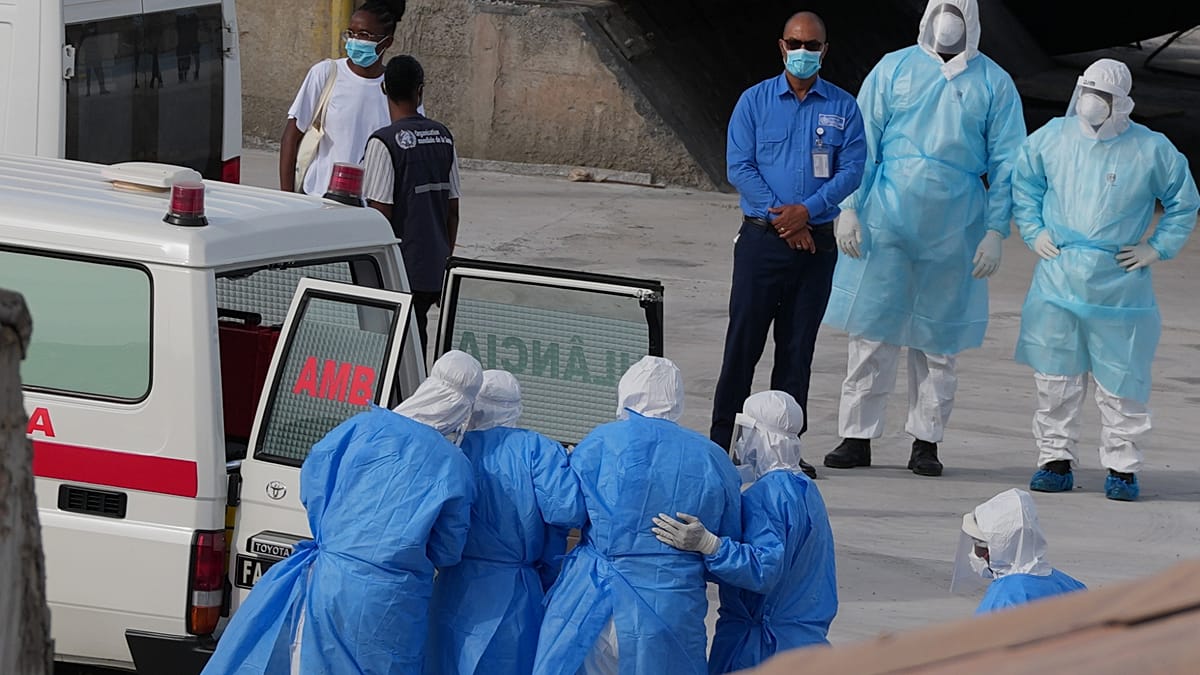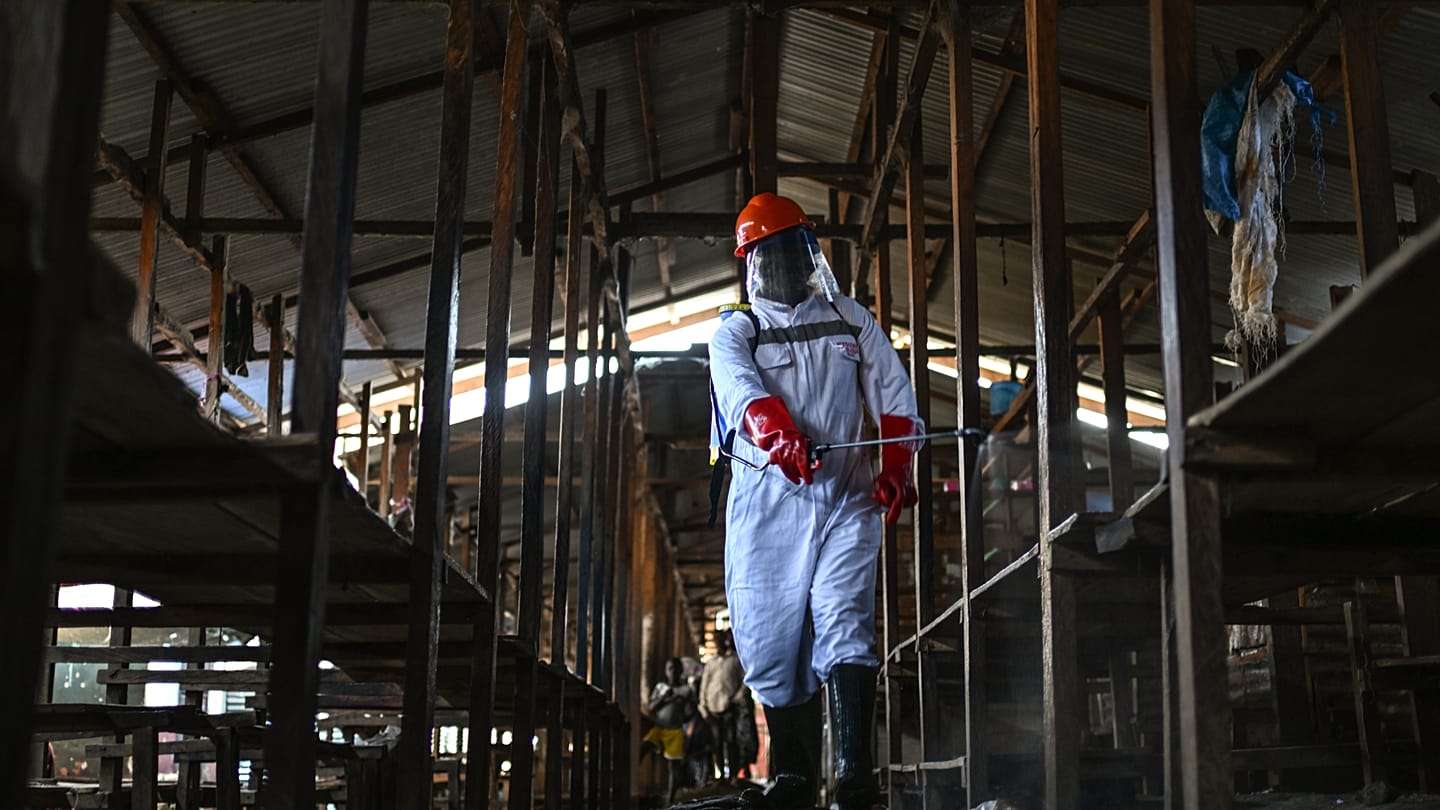
Uganda has shut its border with the Democratic Republic of the Congo (DRC) in response to a surge in cases of a rare Ebola strain, a decision that directly contradicts guidance from the World Health Organization (WHO). The move, announced by the Ugandan Ebola task force, follows reports of health workers being exposed to the virus by Congolese patients who crossed into Uganda before the outbreak was officially declared.
The rare strain, known as the Sudan ebolavirus, has no approved vaccine or specific treatment, making containment particularly challenging. The DRC declared an outbreak of this strain earlier this month, with cases concentrated in the eastern province of North Kivu, a region already grappling with armed conflict and displacement. The WHO has advised against border closures, arguing they can hinder the movement of medical supplies and personnel, but Uganda has opted for a more restrictive approach.
Health Workers at Risk
Ugandan health authorities have confirmed that several medical staff who treated Congolese patients before the outbreak was recognized are now under observation. The patients had crossed the border seeking care in Ugandan facilities, unaware they were carrying the virus. This has heightened fears of a wider spread within Uganda's health system, which is already stretched thin by other infectious disease outbreaks.
“The decision to close the border was not taken lightly,” said a spokesperson for the Ugandan Ministry of Health. “Our priority is to protect our population and healthcare workers, who are on the front lines of this response.” The WHO, however, has emphasized that travel restrictions are rarely effective in containing viral hemorrhagic fevers and can instead exacerbate humanitarian crises.
The European Union has been actively involved in the DRC's Ebola response. Earlier this year, the EU and UNICEF airlifted 100 tonnes of medical aid to the region, including protective equipment and laboratory supplies. The bloc's humanitarian aid office has also funded training for local health workers. Yet the current outbreak is outpacing these efforts, as WHO chief Tedros Adhanom Ghebreyesus warned last week that the response is struggling to keep up with the virus's spread.
Regional and Global Implications
The closure of the Uganda-DRC border, a key transit point for trade and travel in the Great Lakes region, could have significant economic and humanitarian consequences. Thousands of people cross daily for markets, family visits, and medical care. The International Rescue Committee (IRC) has warned that without urgent global action, this outbreak could become the deadliest on record, as highlighted in their recent analysis.
For European readers, the situation underscores the interconnected nature of global health security. European countries have historically contributed to Ebola research and response, with institutions like the Robert Koch Institute in Berlin and the Pasteur Institute in Paris developing diagnostic tools and vaccines. The current outbreak also raises questions about the EU's preparedness for cross-border health threats, especially as climate change and conflict increase the risk of zoonotic disease spillover.
Uganda's border closure is a stark reminder that national measures can diverge from international recommendations, complicating coordinated responses. As the WHO continues to advocate for open borders and rapid case detection, the coming weeks will test whether Uganda's approach can contain the virus or whether it will inadvertently drive the outbreak underground, making it harder to track.
The situation remains fluid, with Ugandan authorities monitoring all points of entry and scaling up surveillance. For now, the border remains closed to most travelers, with exceptions for humanitarian cargo and medical evacuations. The EU has urged both countries to maintain dialogue and ensure that essential aid continues to flow.